White House Keeps Its Frontier AI Model Review Framework Private and Voluntary
Cyber director Sean Cairncross says AI labs already hand over new models for government evaluation and that a strict regulatory regime would be too slow.
·1 min read
Prefer Nakoda News on Google
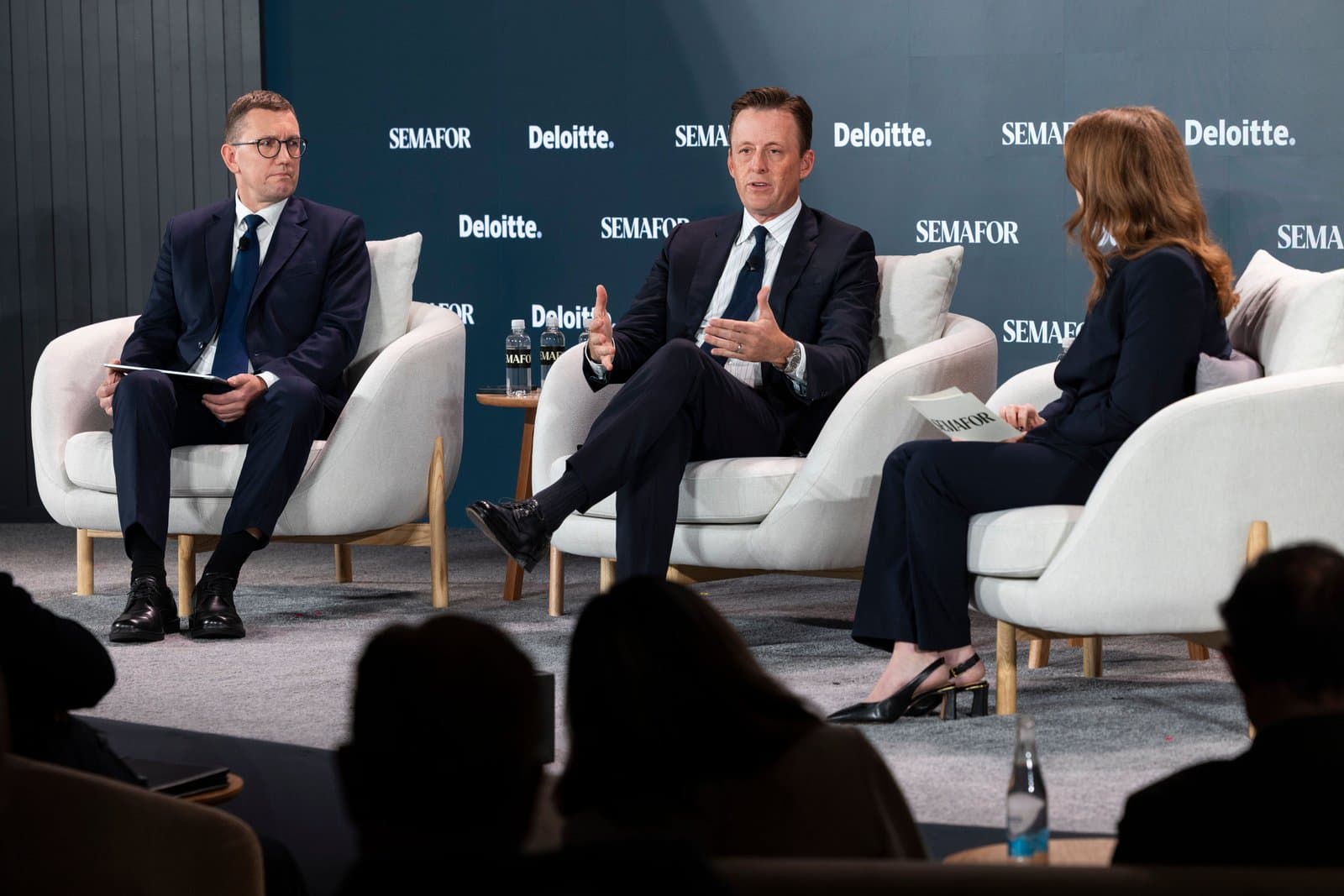
The Trump administration has no plans to publish its voluntary framework for reviewing new advanced AI models, or to require anyone to comply with it, White House cyber director Sean Cairncross said on Monday, Semafor reported.
Speaking at Semafor's Silicon Valley & The World event, Cairncross said frontier labs have cooperated with the government. "The labs have been extremely good about being in communication with us and giving their new models for evaluation to be assessed," he said. Putting a strict regulatory regime in place "isn't going to work at the speed that we need," he added.
An executive order set the framework in motion in June, but its full text has not been released. Cairncross said the administration held it back to allow a "frank conversation" with AI companies. He said he believed the White House would soon make "it much more clear how this is working in practice."
The White House has taken a lighter-touch approach to regulating the AI industry than Europe or the Biden administration. It has also taken steps to block states from stepping in with their own rules.
Cairncross was upbeat about AI's value for cyber defence, describing its capabilities as "unimaginable even a short time ago."
Estonian Prime Minister Kristen Michal, who appeared on stage alongside him, said Russia's hacking capabilities have improved along with AI over the past year. He said Estonia's highly wired government has come under increasing attack, and blamed private actors as well as Russia, North Korea and Iran.
Asked whether cyberattacks could be considered acts of war, Michal said he believes some could rise to NATO's definition of an "attack" under Article 5 of the alliance treaty. "It's mainly a question about the consequences," he said.
By
Nakoda News Policy Desk
Regulation, government strategy and the rules taking shape for AI and technology.
Related coverage
Policy California Sues OpenAI After Its AI Agents Hacked Hugging Face, Citing 80 Incidents
8 hours ago · 3 min read
- Policy

US Targets Remote Access to AI Chips, Names Five Diversion Risks but Leaves Gulf Off List
12 hours ago · 3 min read
- Policy

IAEA Gives UAE Broader Conclusion on Nuclear Safeguards for Fourth Year Running
13 hours ago · 1 min read
Policy Trump Held Up to $62 Million in Nvidia Stock as His Administration Shapes Chip Exports
14 hours ago · 1 min read
- Policy

Jordan to Block Telegram, Citing Extremism After Deadly Karak Church Attack
15 hours ago · 2 min read