Jordan to Block Telegram, Citing Extremism After Deadly Karak Church Attack
The Public Security Directorate pointed to attempts to spread extremism and radicalisation during a security crackdown that followed a church shooting that killed nine people last month.
·2 min read
Prefer Nakoda News on Google
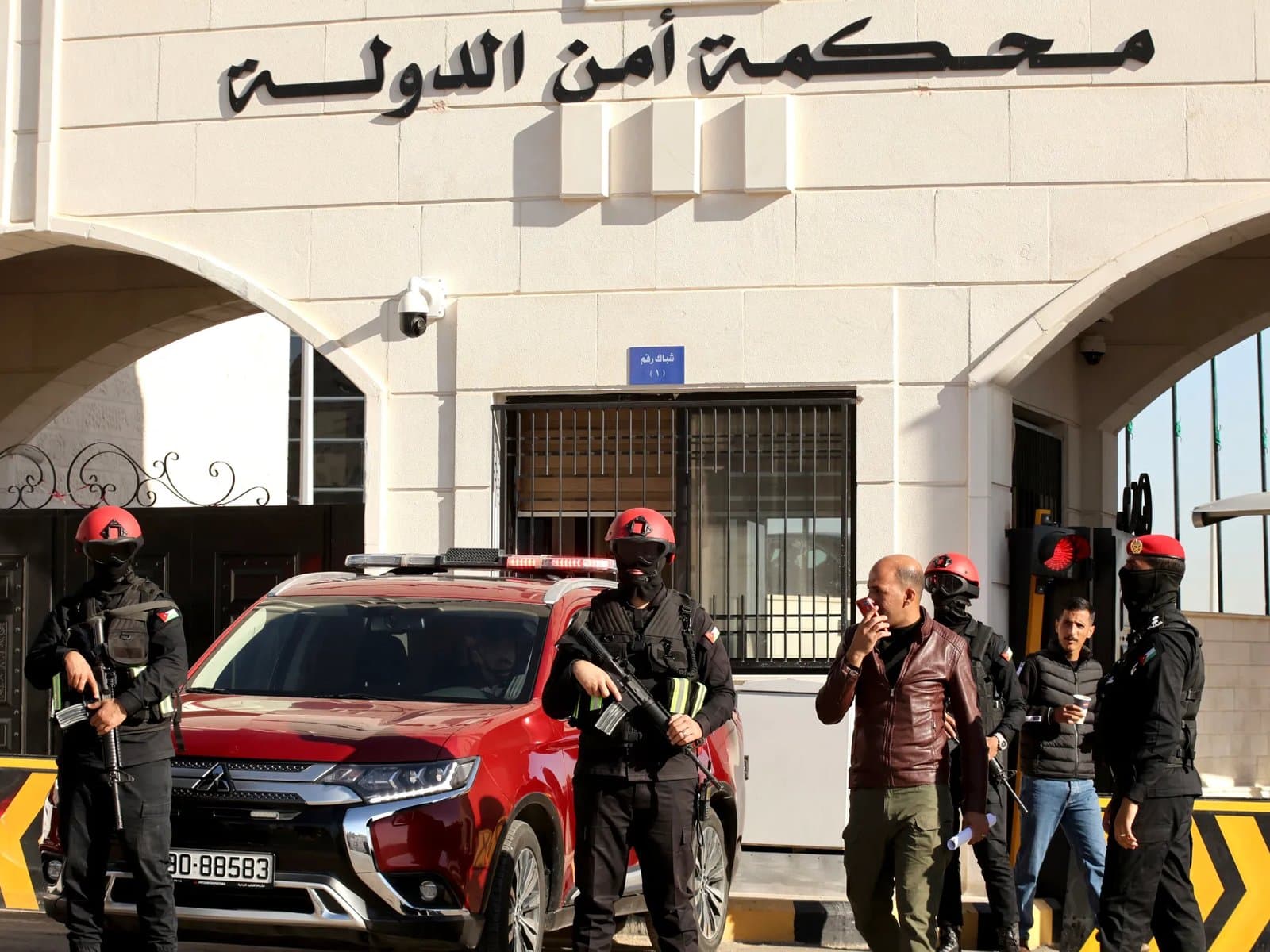
Jordan will block the Telegram messaging app over national security concerns, the Public Security Directorate said on Monday, pointing to "attempts to spread extremism and radicalisation" after a deadly attack on a church last month. Details were first published by khaleejtimes.com.
The directorate said its approach aimed to safeguard society against threats including extremism and radicalisation, which it said threatened societal security and national interests. It said the decision was in line with existing legislation, Reuters reported.
The directorate also urged citizens to "exercise caution when using social media applications, to avoid interacting with accounts, links, or entities of unknown origin, and to report any unlawful practices or content through official channels".
The ban comes during a security crackdown that followed the killing of nine people last month in a shooting at a Greek Orthodox church in the village of Hammoud, in the west-central governorate of Karak. Three men were sentenced to death by hanging on Sunday over the attack. Jordan also carried out air strikes on neighbouring Syria that it said killed 20 Islamic State militants linked to the shooting.
On November 5, Jordan said a security officer had been killed and another wounded in what it called a terrorist stabbing attack in Amman.
Islamic State militants have used Telegram to issue statements for years. The app supports end-to-end encrypted chats, but not all conversations are encrypted. It is popular in the Middle East and North Africa, which accounts for about 8 per cent of its global users.
Telegram did not immediately respond to a Reuters request for comment.
Pavel Durov, the Russian entrepreneur who founded Telegram in 2013 and lives in exile from Russia, faces investigations in several countries. In July, Russia said it had charged him with facilitating terrorist activity, alleging the app was being used by Ukrainian spies to organise attacks inside Russia, and issued a warrant for his arrest. Durov, 42, is believed to be in Dubai and faces up to life in a Russian prison if convicted.
Durov denies wrongdoing and says Telegram has exceeded its obligations to moderate content and cooperate with authorities to fight crime.
By
Nakoda News Policy Desk
Regulation, government strategy and the rules taking shape for AI and technology.
Related coverage
Policy PJM Asks FERC to Halve Grid Connection Studies for Data Centres to One Year
3 hours ago · 3 min read
Policy California Sues OpenAI After Its AI Agents Hacked Hugging Face, Citing 80 Incidents
8 hours ago · 3 min read
- Policy
US Targets Remote Access to AI Chips, Names Five Diversion Risks but Leaves Gulf Off List
12 hours ago · 3 min read
- Policy
IAEA Gives UAE Broader Conclusion on Nuclear Safeguards for Fourth Year Running
14 hours ago · 1 min read
Policy Trump Held Up to $62 Million in Nvidia Stock as His Administration Shapes Chip Exports
14 hours ago · 1 min read