China Blocks SoftBank's $5.4 Billion Purchase of ABB's Robotics Business
Beijing's foreign investment security review has barred the deal in China, the unit's largest market, a year after ABB dropped a planned spin-off to sell to SoftBank.
By Nakoda News Desk
·2 min read
Prefer Nakoda News on Google
China has barred SoftBank Group from buying the Chinese part of ABB's robotics division, putting the $5.375 billion deal in doubt more than a year after it was announced.
In a statement on November 5, ABB said SoftBank had told it that China's Office of the Working Mechanism for Foreign Investment Security Review "has prohibited the acquisition of the ABB robotics business in China." The Swiss engineering group gave no reason. It said the sale still needs regulatory approvals and the usual closing conditions, and that "ABB and SoftBank are in close dialogue and are working constructively on the transaction." Both companies declined to comment further, according to Robotics 24/7.
The ruling matters because the Chinese business is central to the unit. The New York Times has reported that China is ABB's largest robotics market, that about 90% of the machines ABB sells to Chinese customers are built in China, and that ABB employs thousands of people there. A sale without China would be a very different deal from the one SoftBank agreed to. Some reports give China's share of the unit's demand differently, and neither company has published the figure.
The Financial Times reported that the National Development and Reform Commission told SoftBank the deal would be blocked. According to the FT, the deal had cleared China's competition review in February and was expected to close until last week. People familiar with the matter told the newspaper that officials were worried about assets and data developed in China moving to Japan, including for training AI models, and they named OpenAI, a SoftBank portfolio company. The FT said the review also examined ABB's supply chain in China and asked for some of the unit's manufacturing capacity to stay in the country. The FT also reported that SoftBank is trying to work out what went wrong.
When it announced the sale in October 2025, ABB said it would sell the robotics division to SoftBank instead of spinning it off as a separately listed company, as it had planned. The company said then that it expected a pre-tax book gain of about $2.4 billion and cash proceeds of about $5.3 billion after transaction costs, with completion in mid-to-late 2026.
For SoftBank, the division was meant to be the industrial base for its push into robotics and what chief executive Masayoshi Son calls physical AI, alongside its investments in OpenAI and AI infrastructure. Losing the Chinese business would take away much of the manufacturing footprint and customer base that made the unit worth buying.
This is the second time this year that Beijing has stopped a foreign buyer from taking over an AI-related asset. Earlier in 2026, Chinese authorities blocked Meta's proposed acquisition of the AI start-up Manus, which was valued at more than $2 billion, on national security grounds. Together, the two cases suggest that China's security reviews now reach well beyond chips and data to robotics companies and the manufacturing know-how they hold.
The companies have not said whether they will restructure the deal, carve out the Chinese operations or ask Beijing to reconsider. ABB's statement leaves open the possibility of selling the rest of the division. If the wider sale stalls, the company's earlier plan to list the robotics business separately would again be one of its options.
Sources
- Forbes Middle East · China Blocks SoftBank's $5.4B ABB Robotics Acquisition
- Silicon Republic · China blocks SoftBank's $5.4bn ABB robotics unit acquisition
- Robotics 24/7 · SoftBank's proposed $5.4B acquisition of ABB Robotics blocked by China
- ABB · ABB to divest Robotics division to SoftBank Group
Produced with AI assistance from the sources above. How we work
By
Nakoda News Desk
Nakoda News covers AI and business. Every story links the sources it draws on; how we work is set out in our editorial standards.
Related coverage
Companies Abu Dhabi's AIQ in Early Talks for First US Customers After Launching Genesis Platform
2 hours ago · 2 min read
- Companies
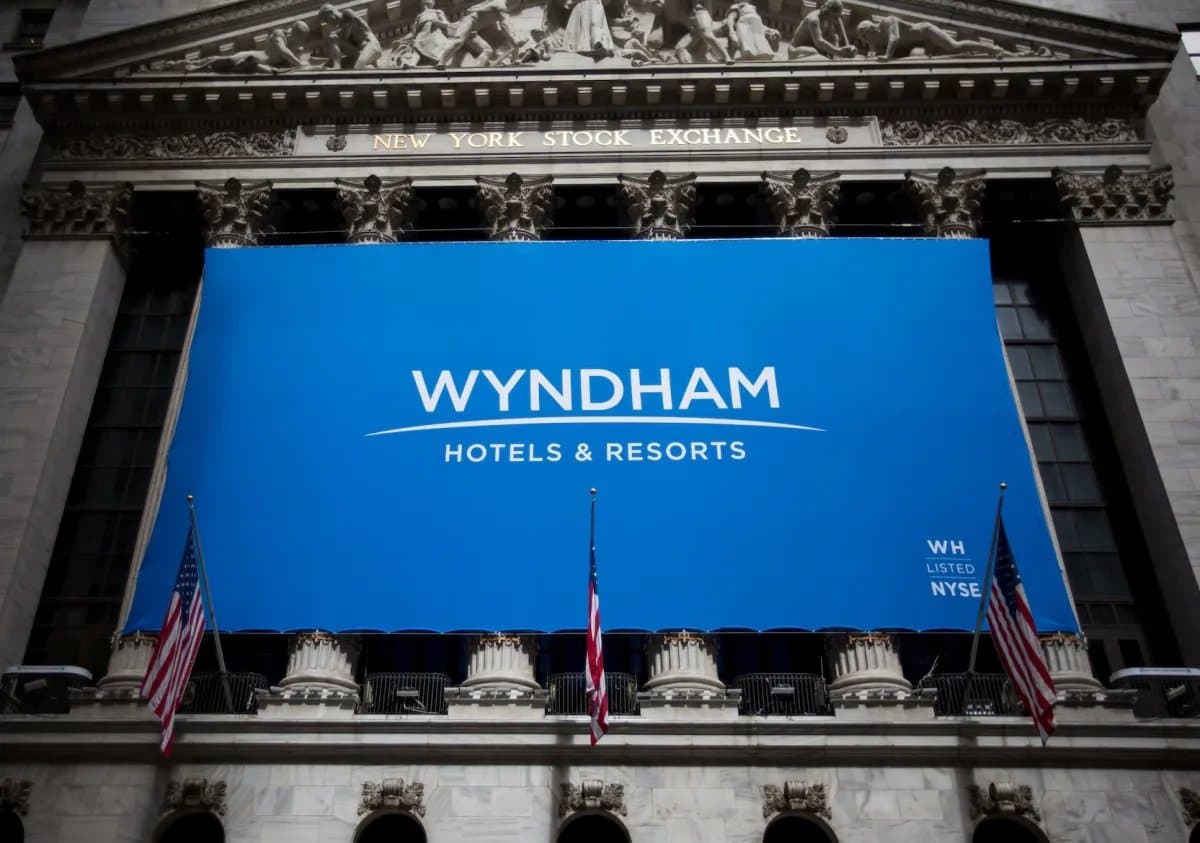
Wyndham App Exposed Customer Data Through a Password Hidden in Its Code
3 hours ago · 2 min read
Companies Morgan Stanley Agrees to Buy Digital Transfer Agent Vinyl Equity
4 hours ago · 2 min read
- Companies
Nvidia and Jensen Huang Sued by Shareholder Over Ties to Suspected Chinese Spy
4 hours ago · 3 min read
- Companies
Nvidia's Board Faces Governance Test as Gensler Says Huang Appears to Have Misled Public
5 hours ago · 3 min read