Nvidia's Board Faces Governance Test as Gensler Says Huang Appears to Have Misled Public
Directors who average almost 15 years on the board must judge their co-founder chief executive, at a company with no president, no chief operating officer and no public succession plan.
By Nakoda News Desk
·3 min read
Prefer Nakoda News on Google
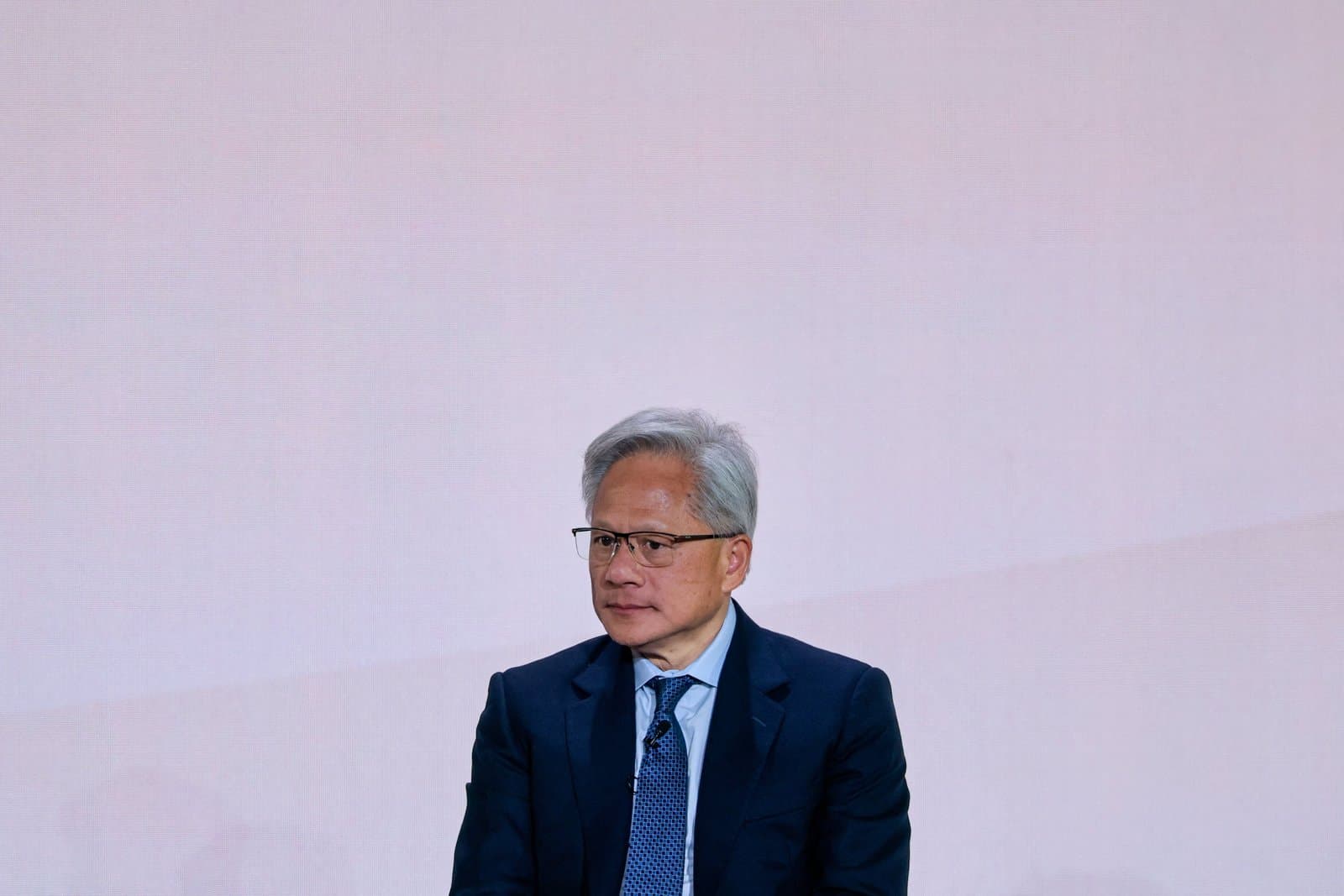
Gary Gensler, who chaired the Securities and Exchange Commission under President Joe Biden, said Nvidia chief executive Jensen Huang appears to have misled the public about his dealings with a woman suspected of spying for Chinese intelligence. Huang's future now rests with a board that has little of the big-company or security experience usually found at a business of Nvidia's size.
"It appears [Huang] did mislead the public," Gensler told Semafor, referring to earlier statements from Huang and the company that his dealings were "all completely normal and not unusual." He added: "It's really a question of is that material, and today's stock drop will suggest to a court it was material." Nvidia shares were down 5% on Monday afternoon, taking more than $200 billion off its market value. An SEC spokesperson declined to say whether the agency would investigate.
The stakes go beyond one executive. Huang co-founded Nvidia in 1993 and has led it ever since, turning a maker of graphics chips for video games into the main supplier of the AI boom. Huang has admitted to an affair with the woman, and his board is now investigating. Nvidia has never publicly set out who would replace him.
Directors Who Have Served for Decades
The average Nvidia director has served almost 15 years, nearly twice the average for S&P 500 boards, according to Semafor's analysis. Huang and two other directors have been on the board since the company was founded 33 years ago. Its lead director is a 77-year-old former law-firm executive. None of the directors is a current or former S&P 500 chief executive, and none has national-security experience. Meta and Microsoft each have four big-company chief executives on their boards.
"The board composition suggests this is… a CEO exercising effective control over the board instead of vice versa," Jill Fisch, a professor at the University of Pennsylvania's Carey Law School, told Semafor. She said long tenure can reduce directors' independence, but also that boards struggle to check a chief executive seen as a visionary. "How do you say no to someone with this track record of success?" she said.
No Clear Number Two
Nvidia has no president or chief operating officer, and Huang has more than 50 direct reports. Both of his adult children work for the company. The word "succession" does not appear in Nvidia's latest annual report, Semafor found, compared with 25 mentions in Microsoft's and 16 in Alphabet's.
Jason Schloetzer, a Georgetown University professor who co-writes an annual report on chief executive succession, said an internal choice would leave many senior managers feeling passed over. "A horse race with 60 horses has no good solution," he said. Semafor wrote that this would likely push directors to look outside, naming AMD's Lisa Su and Broadcom's Hock Tan as the kind of seasoned chipmaker chiefs who could make a short list.
John C. Coffee Jr., a Columbia Law School professor, said the case went beyond "the usual sex scandal in the corporate boardroom" because of Huang's importance and the industry's place in US-China competition. "It's possible he was at most negligent," he said, "but negligence doesn't require that you shoot yourself in the foot by firing a well regarded CEO."
The board said on Sunday that it still had confidence in Huang and had "no reason to believe that either national security or NVIDIA secrets were compromised." President Donald Trump has also backed him. The company will still face questions about an earlier internal review of the allegations, and any finding that Huang misled the board, or that Nvidia misled investors on a material issue, could bring more shareholder lawsuits. Gensler said enforcement action was less likely under the current administration: "The President has already spoken on the matter."
Nvidia is due to report third-quarter results on November 17. Three Republican House committee chairs have asked Huang to attend a closed-door briefing the following day.
Sources
- Semafor · With a weak board and no successor, Nvidia confronts a governance crisis
- Axios · Nvidia CEO called in by lawmakers over ties to alleged Chinese spy
Produced with AI assistance from the sources above. How we work
By
Nakoda News Desk
Nakoda News covers AI and business. Every story links the sources it draws on; how we work is set out in our editorial standards.
Related coverage
- Companies
Nvidia and Jensen Huang Sued by Shareholder Over Ties to Suspected Chinese Spy
2 hours ago · 3 min read
- Companies

Skydance Breaks Down $6 Billion Cost-Savings Plan, Citing AI and Back-Office Cuts
3 hours ago · 2 min read
- Companies
Jensen Huang Pulls Out of ElevenLabs Summit and Anthropic CEO Forum as Nvidia Inquiry Runs
4 hours ago · 2 min read
- Companies
Lead Director Stephen Neal Expected to Play Central Role in Nvidia's Huang Inquiry
4 hours ago · 2 min read
- Companies

Fervo's Contracted Revenue Jumps to $11.9 Billion on 396MW Google Geothermal Deal
4 hours ago · 3 min read