Rubio Tells G7 Trump Has Chosen an Economic Squeeze on Iran Over War or a Deal
The strategy keeps the naval blockade in place with no end date, while Qatar's prime minister says there is still room for mediation and wants China and Europe as guarantors.
By Nakoda News Desk
·2 min read
Prefer Nakoda News on Google
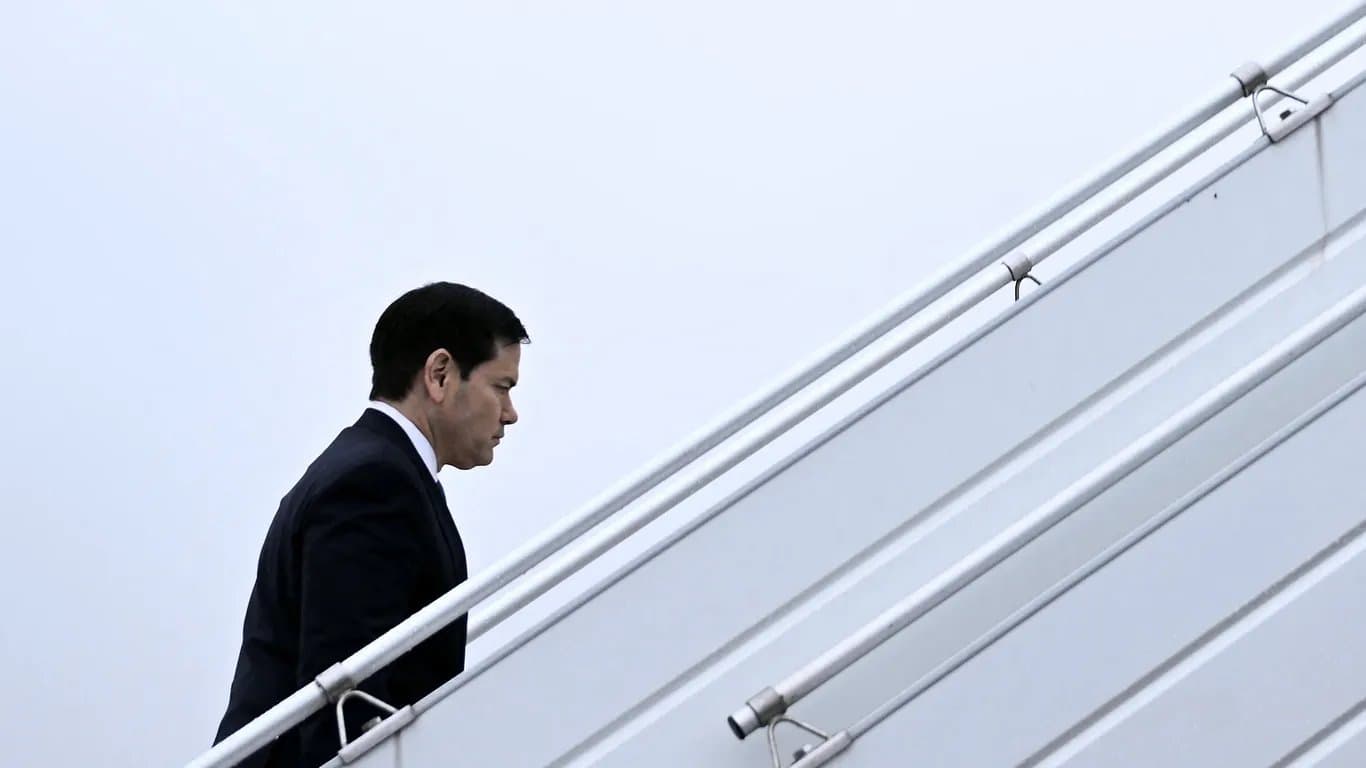
US Secretary of State Marco Rubio told foreign ministers from the Group of Seven in Paris on Tuesday that President Donald Trump had weighed resuming the war with Iran or reaching a deal, and had rejected both in favour of keeping up economic pressure on Tehran with no set end date, Axios reported, citing three people who attended the closed meeting.
"The President doesn't just have two options. It's not just return to war or sign a ridiculous peace deal. We won't do a stupid deal. The third option we have is to continue to do what we do now," Rubio said, according to those people. He also told the ministers that "The President is not under false time pressure."
For Gulf economies, the choice means an open-ended stalemate rather than a clear resolution in either direction. According to Axios, the administration's internal debate had divided along lines that also split Washington's Middle East allies, with Israel favouring renewed strikes and most Gulf states opposing them.
Trump set out the policy publicly on Monday after meeting Qatar's prime minister, Sheikh Mohammed bin Abdulrahman Al Thani. He said a new round of strikes on Iran was "quite unlikely" and "doesn't seem to be necessary". He said he instead favoured continuing the economic crackdown and the naval blockade, along with a new operation called "Iron Gate" to cut the land routes Iran uses to move advanced weapons and other technology.
US officials told Axios that Rubio was one of several members of Trump's national security team who argued for the pressure strategy. The others were Treasury Secretary Scott Bessent, CIA Director John Ratcliffe and Jared Kushner, Trump's adviser and son-in-law. That group opposed going back to war and did not believe Iran's current negotiating positions could produce a deal that served US interests.
Speaking to reporters after the meeting, Rubio said Iran wanted an agreement but that its conditions were "absurd", and that greater economic pain could change Tehran's position. "Eventually you have to eat," he said.
The approach has worried some US partners. A US official told Axios that Turkey, Iraq and Pakistan are concerned that American pressure to stop doing business with Iran, including by halting flights and closing borders, could destabilise their own countries.
It also runs against a directive from Iran's Supreme Leader, Mojtaba Khamenei, who ordered his government and the Islamic Revolutionary Guard Corps to end the "no war, no deal" situation and bring the war to a clear conclusion. Danny Citrinowicz, an Iran expert at the Atlantic Council, told Axios that Tehran "may conclude that increasing the economic and security costs for Washington and its regional partners is the only way to force a change in American policy."
Qatar's prime minister briefed the G7 meeting on his mediation efforts and on his conversation with Trump the day before. He said he left the White House meeting believing there was more room for diplomacy than before. The unresolved questions are which side moves first to de-escalate and what confidence-building steps the two sides will accept. Sheikh Mohammed wants China and European countries to act as guarantors of any agreement, to ease Iranian suspicion that Trump would break it and restart the war within months.
Sources
- Axios · Trump swung between war and diplomacy — then chose a third way
Produced with AI assistance from the sources above. How we work
By
Nakoda News Desk
Nakoda News covers AI and business. Every story links the sources it draws on; how we work is set out in our editorial standards.
Related coverage
- Policy
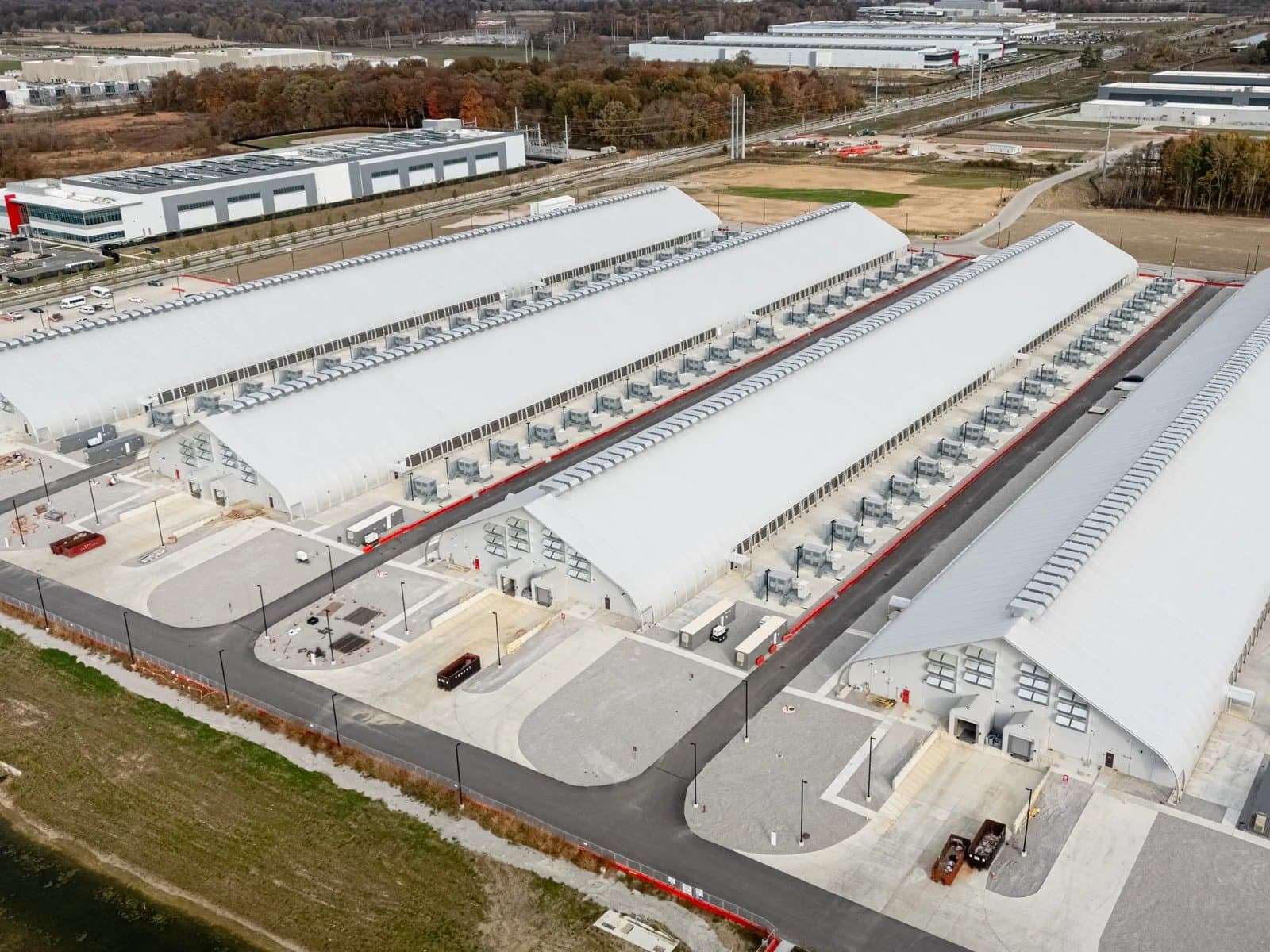
US Senate Advances Permitting Bill That Would Make Data Centres Pay for Grid Costs
7 hours ago · 2 min read
- Policy

New York Opens State AI Safety Center to Test Frontier Models Independently
7 hours ago · 2 min read
Policy UAE Cyber Chief Calls for Gulf Cybersecurity Union After Iran War Cyberattacks
7 hours ago · 2 min read
- Policy
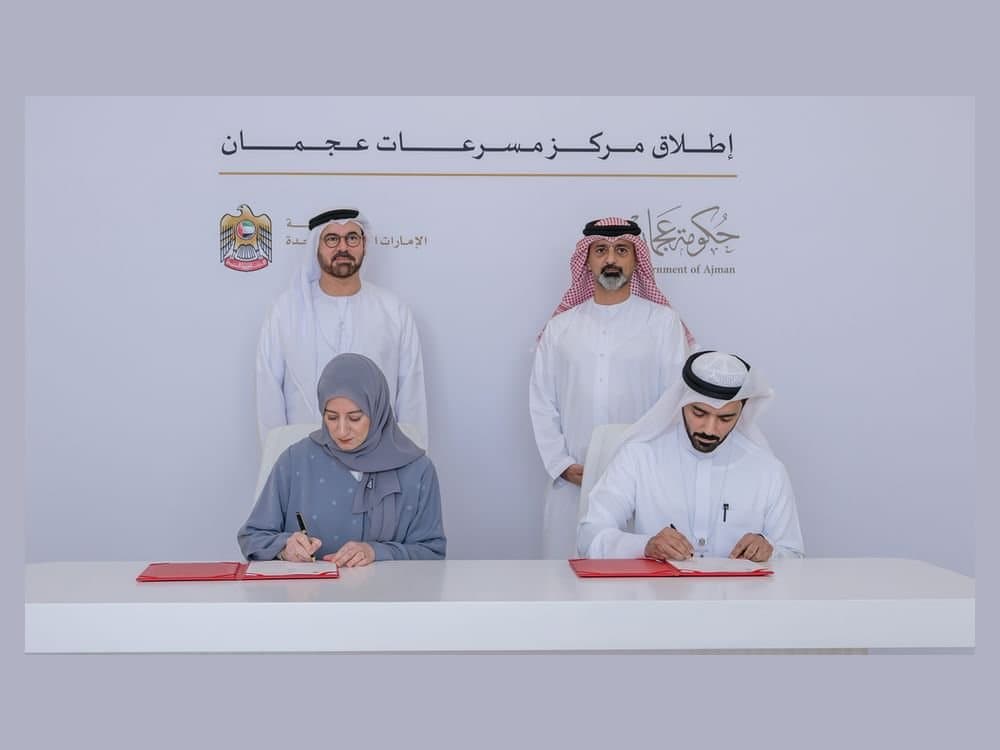
Ajman Sets Up First Local Government Accelerators Centre, Starting With an AI Programme
7 hours ago · 1 min read
- Policy
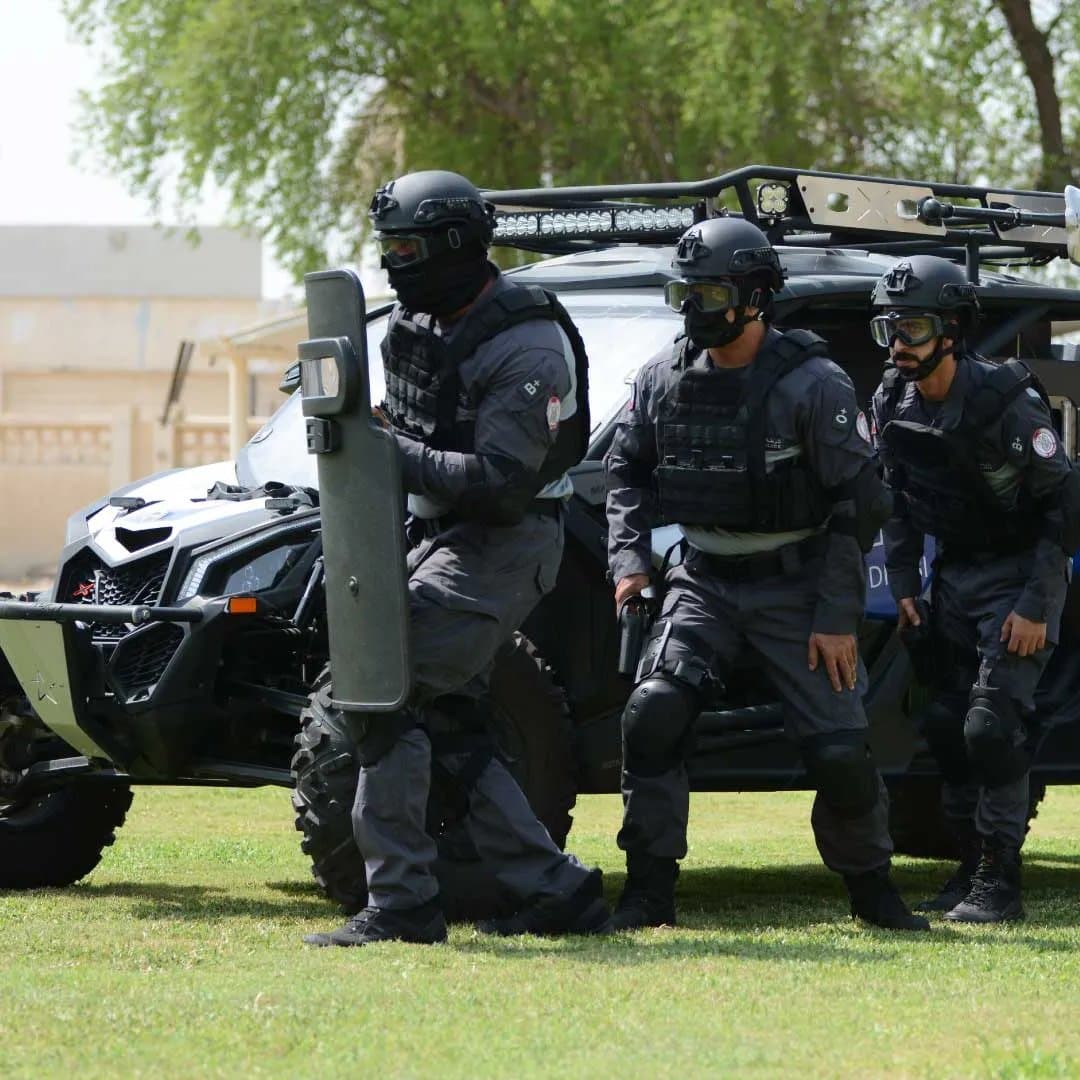
Abu Dhabi Police Sets 90% AI Readiness Target in 2026-2030 Strategic Plan
7 hours ago · 2 min read