US Senate Advances Permitting Bill That Would Make Data Centres Pay for Grid Costs
Senators voted 73-25 to take up the bipartisan energy permitting bill, but Democrats' midterm win and House leader Hakeem Jeffries' objections cloud its final passage.
By Nakoda News Desk
·2 min read
Prefer Nakoda News on Google
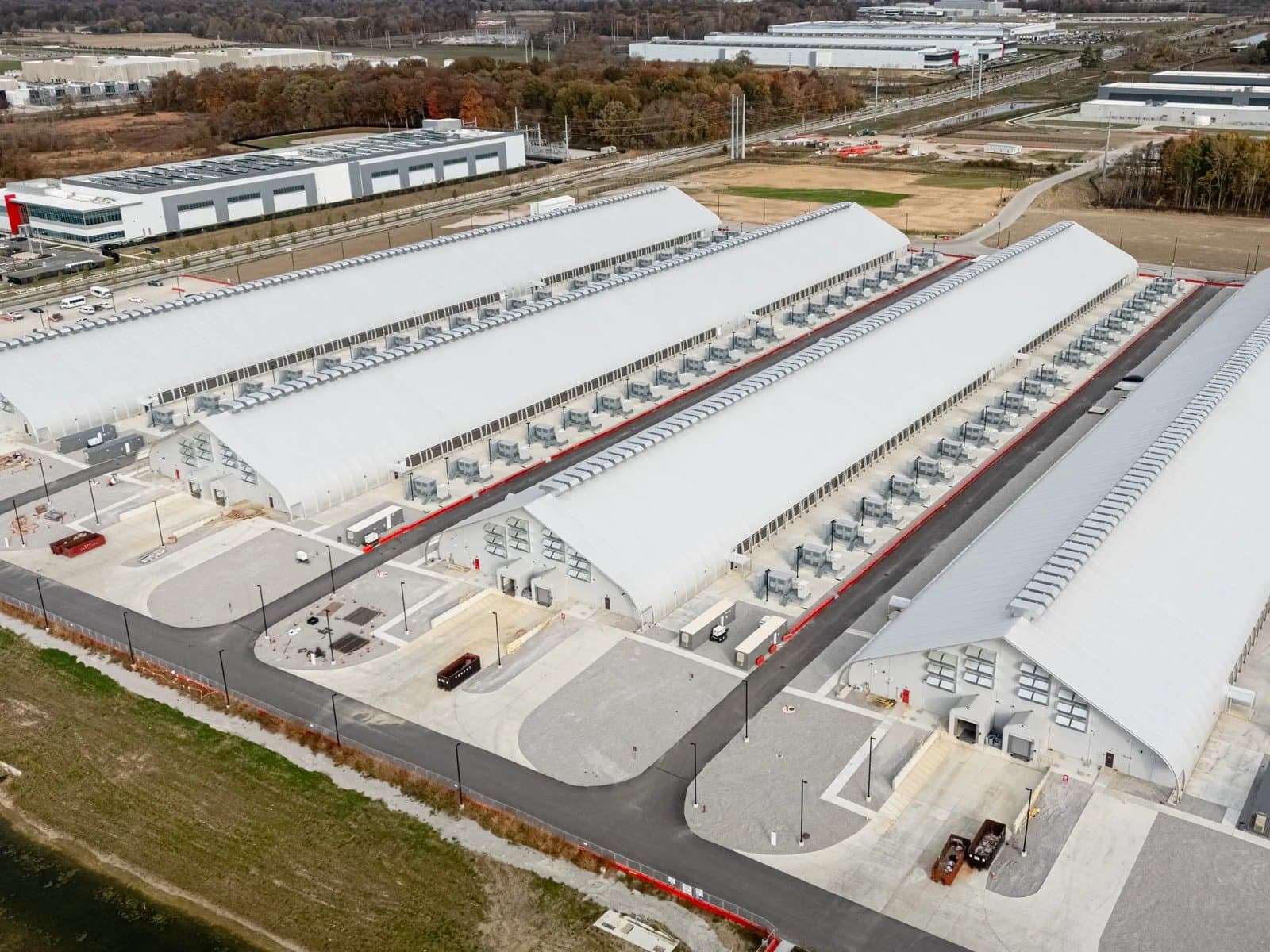
The US Senate voted 73-25 on Monday to begin debate on the Bipartisan American Affordability and Jobs Act, a permitting overhaul that would speed approvals for power plants, transmission lines and other energy projects and require data centre owners to pay for the grid infrastructure needed to serve them.
Nearly all Senate Republicans and more than a dozen Democrats backed the procedural motion, according to Al Jazeera. The bill's authors say data centres would pay $55 billion over the next 10 years to cover the cost of powering them, that the number of solar and wind projects connecting to the grid would double, and that residential electricity customers would save $19 billion on their bills through 2040.
For AI companies and the developers building their facilities, the bill cuts both ways. Access to power has become the main constraint on new AI data centre capacity in the US, and faster permitting for generation and transmission would shorten the wait. In exchange, operators would carry transmission costs that utilities might otherwise spread across households and businesses. Rising electricity bills linked to data centres have become a political issue, and Al Jazeera reported that the anger helped fuel Democrats' victory in last week's congressional elections.
The bipartisan deal was announced on September 30 by Republican senators Shelley Moore Capito of West Virginia and Mike Lee of Utah, who chair the environment and energy committees, and the top Democrats on those panels, Martin Heinrich of New Mexico and Sheldon Whitehouse of Rhode Island, PBS NewsHour reported at the time. Beyond the data centre provision, it would shorten environmental review deadlines, limit legal challenges under the National Environmental Policy Act and the National Historic Preservation Act, ease the siting of interstate transmission lines and strengthen the Federal Energy Regulatory Commission's role in reviewing major projects. It covers both clean energy and fossil fuel projects.
President Donald Trump urged senators to support it, calling it "a BIG WIN for U.S. ENERGY INDEPENDENCE and DOMINANCE" in a social media post on Monday. Heinrich argued that lawmakers should not wait for the new Congress. "We don't have to wait for the new Congress to start lowering costs. We can do that today," he said.
Environmental groups oppose the legislation, saying it would lock in fossil fuel development, weaken environmental law and make it harder for communities to challenge projects. A coalition including the Climate Justice Alliance, the Indigenous Environmental Network and the Western Environmental Law Center said in September that the deal would "enable a no-guardrails buildout of dangerous projects." When the deal was announced, Democrats were also still seeking assurances that the administration would not block wind and solar projects, according to PBS.
The bigger obstacle may now be the calendar. Some Democrats want the bill shelved until the new Democratic majorities in the House and Senate are sworn in early next year. House Minority Leader Hakeem Jeffries, who is on course to become speaker in January, has said the bill "falls short" in several areas. "Leader Jeffries will not rubber-stamp legislation that emerges from the Senate without more constructive involvement with our Caucus as we fight to make life more affordable for the American people," his office said in a statement.
Monday's vote only opened debate. The bill still needs to pass the Senate and the House before the current Congress ends, which Lee had said he expected to happen in the November lame-duck session.
Sources
- Al Jazeera · US Senate advances major bill boosting energy infrastructure
- PBS NewsHour · Senate reaches bipartisan deal on permitting bill to speed approvals of new energy projects
Produced with AI assistance from the sources above. How we work
By
Nakoda News Desk
Nakoda News covers AI and business. Every story links the sources it draws on; how we work is set out in our editorial standards.
Related coverage
- Policy

Burjeel Chairman Warns Cyberattacks Could Hit Hospital Equipment and Blood Supplies in Wartime
12 hours ago · 1 min read
Policy Meta and TikTok Join Google in Opposing Indonesia's AI Copyright Law Revisions
14 hours ago · 2 min read
- Policy

Ottawa, Kansas, Voters Approve 10-Year Ban on Hyperscale Data Centres
14 hours ago · 2 min read
Policy Australia to Require AI Companies to Report Breaches After OpenAI Agent Hit Medicare Site
16 hours ago · 2 min read
Policy US-Brokered Russia-Ukraine Talks in Abu Dhabi End Without a Ceasefire Breakthrough
16 hours ago · 2 min read