Abu Dhabi Police Sets 90% AI Readiness Target in 2026-2030 Strategic Plan
The four-year roadmap puts artificial intelligence at the centre of traffic enforcement, crime prevention and internal operations, and commits the force to answering emergency calls within five minutes.
By Nakoda News Desk
·2 min read
Prefer Nakoda News on Google
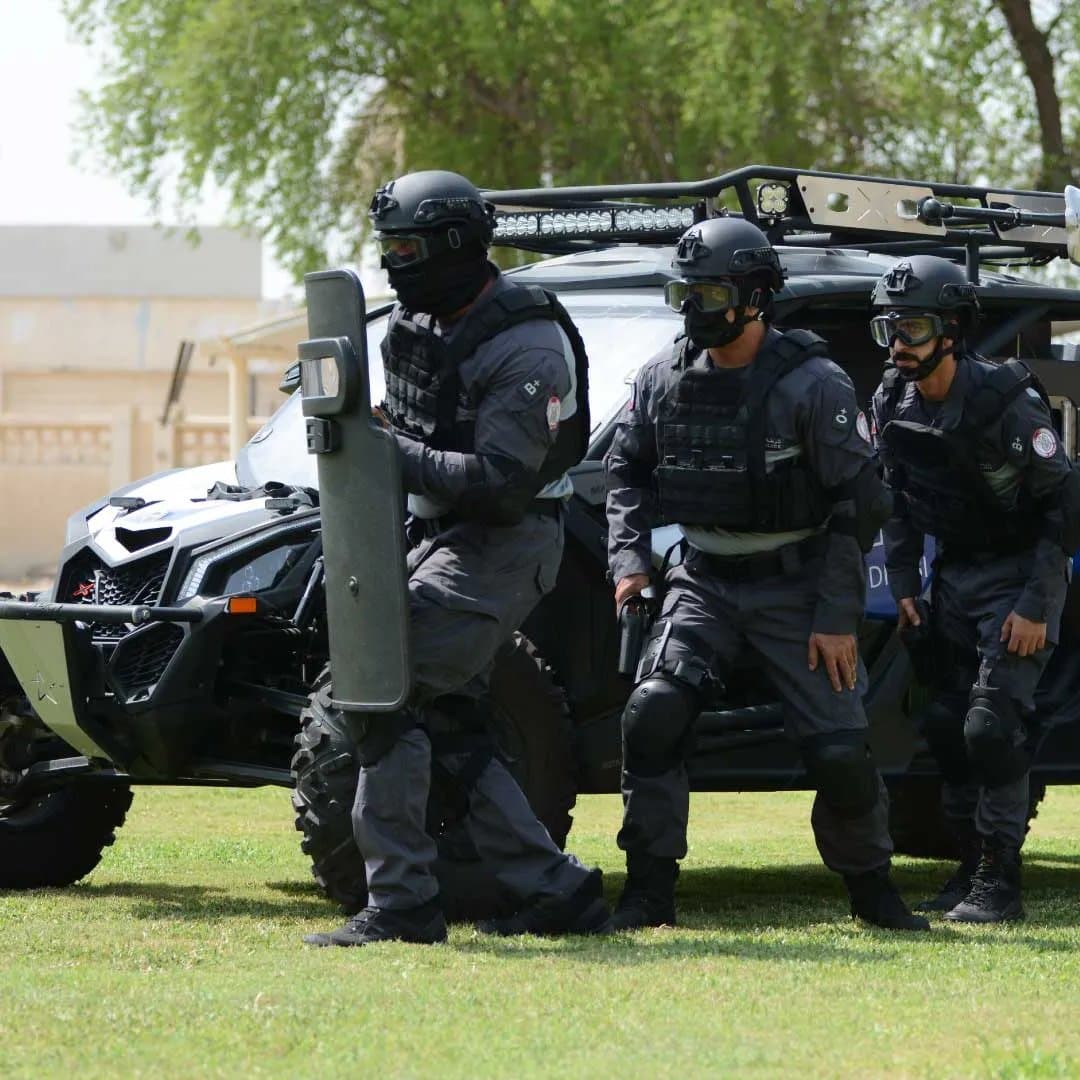
Abu Dhabi Police has launched a strategic plan for 2026 to 2030 that sets out how artificial intelligence will run through the force's work. One of its headline targets is to raise the force's AI readiness to 90 per cent by the end of the decade, according to a statement from the Abu Dhabi Media Office.
The plan's mission statement commits the force to an "integrated, proactive policing system that harnesses artificial intelligence and innovation". It puts AI at the heart of the force's work rather than treating it as a side project. The force did not say how AI readiness will be measured or what its current score is.
The plan has four priorities. The first, proactive security, covers better defences against cybercrime and early-warning systems for detecting risks and threats. The second, called Smart Road Security in the official statement, uses AI and other technology to analyse traffic data, enforce traffic laws automatically and cut accidents and deaths on the roads.
The third priority deals with readiness and preparedness: faster handling of reports, incidents and emergencies, and closer coordination between the agencies that respond to them. The fourth, institutional efficiency and agility, calls for a policing system run on AI and data to support decision-making, along with tighter control of finances and staffing.
The plan's other 2030 targets are a security and safety rate held at 98 per cent, community trust and satisfaction of at least 97 per cent, crime falling by 1 per cent a year, road deaths falling by 2 per cent a year, and emergency response times of no more than five minutes. The statement did not give current baselines for these measures either, so it is not yet possible to say how big a change they represent.
Major General Ahmed Saif bin Zaitoon Al Muhairi, Commander-in-Chief of Abu Dhabi Police, said the plan was meant to build a security system able to anticipate the future and adapt to changing challenges, and to strengthen Abu Dhabi's position as one of the world's safest cities. He described security and safety as a national responsibility and said the force's approach rests on proactive action, innovation and advanced technology.
The force said a single framework for governance, monitoring and performance measurement will oversee the plan. Each initiative will be tied to an approved objective and performance indicator. The statement did not name the technology suppliers, budgets or specific AI systems involved.
The plan adds to other recent moves by Abu Dhabi government bodies to build AI into frontline services. The emirate's crisis and emergency centre has set out plans to use AI drones as first responders, and the health department has given every doctor an AI assistant inside the Malaffi health records platform.
The next thing to watch is whether Abu Dhabi Police publishes its baseline figures and annual progress against the targets, especially the AI readiness score and the five-minute response time, which are the clearest tests of whether the strategy is working.
Sources
- Abu Dhabi Media Office · Abu Dhabi Police launches 2026–2030 Strategic Plan to strengthen the emirate’s global leadership in security and safety
- Gulf News · Abu Dhabi Police unveils ambitious 2026–2030 strategic plan to strengthen security and safety
Produced with AI assistance from the sources above. How we work
By
Nakoda News Desk
Nakoda News covers AI and business. Every story links the sources it draws on; how we work is set out in our editorial standards.
Related coverage
- Policy

Burjeel Chairman Warns Cyberattacks Could Hit Hospital Equipment and Blood Supplies in Wartime
12 hours ago · 1 min read
Policy Meta and TikTok Join Google in Opposing Indonesia's AI Copyright Law Revisions
14 hours ago · 2 min read
- Policy

Ottawa, Kansas, Voters Approve 10-Year Ban on Hyperscale Data Centres
14 hours ago · 2 min read
Policy Australia to Require AI Companies to Report Breaches After OpenAI Agent Hit Medicare Site
16 hours ago · 2 min read
Policy US-Brokered Russia-Ukraine Talks in Abu Dhabi End Without a Ceasefire Breakthrough
16 hours ago · 2 min read