MBZUAI Uses Glucose, Genome and Retinal Data to Build AI for Earlier Diabetes Detection
The Abu Dhabi university says continuous monitoring in its Human Phenotype Project put 40% of people with normal fasting glucose in the prediabetes range.
By Nakoda News Desk
·3 min read
Prefer Nakoda News on Google
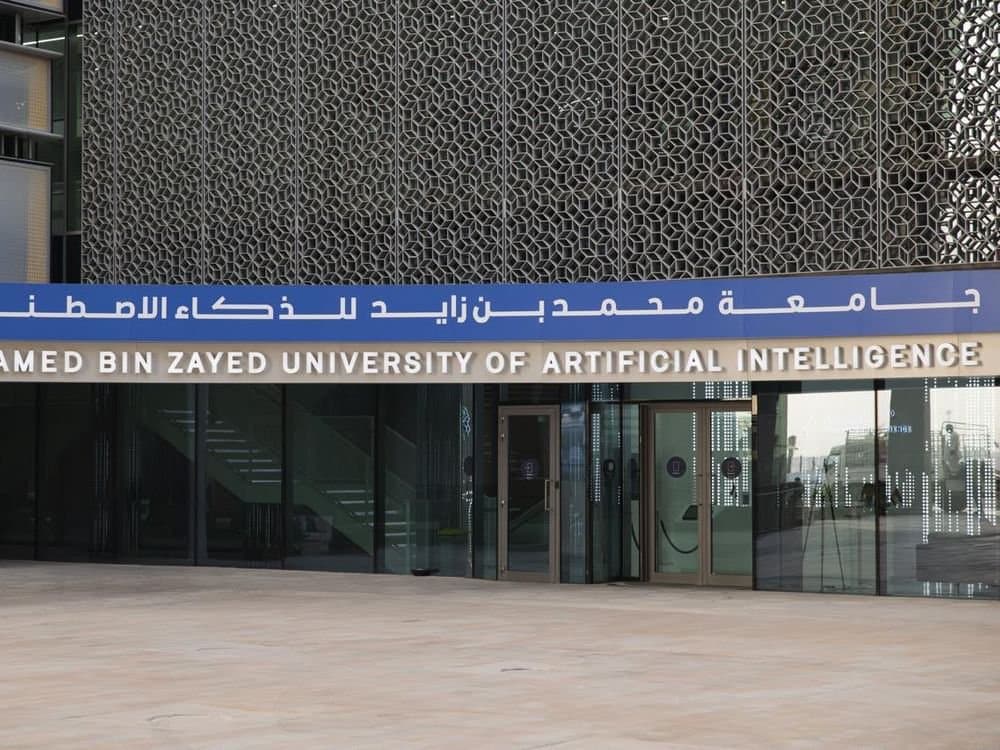
Mohamed bin Zayed University of Artificial Intelligence (MBZUAI) is building AI tools to spot diabetes risk earlier than standard tests can, using continuous glucose readings, genetic data, oral microbes and retinal scans, the Abu Dhabi university said on Saturday, which is World Diabetes Day.
The headline result comes from the Human Phenotype Project (HPP), the long-term health study MBZUAI runs in Abu Dhabi. According to the university, 40 percent of participants whose fasting glucose first looked normal later recorded fasting readings in the prediabetes range once their levels were tracked continuously. That gap matters because screening usually relies on single blood draws or averaged markers. If a large share of at-risk people pass those tests, earlier intervention depends on richer data and models that can read it.
The HPP is free and voluntary. It follows participants for up to 25 years and collects more than 40 layers of health data, including genetic information, blood biomarkers, medical imaging, continuous glucose monitoring and sleep tracking. UAE citizens and residents aged 18 to 70 can join. The university says the country's population of more than 200 nationalities lets it set health reference standards that account for age and ethnicity. Participants can see personalised research insights through a secure portal and share them with their doctors.
The study's data underpins GluFormer, an AI foundation model built by MBZUAI researchers and collaborators. It analyses how glucose rises and falls through the day rather than relying on averages such as the HbA1c test. According to the university, GluFormer was described in Nature in January 2026 and trained on more than 10 million continuous glucose readings from 10,812 HPP participants, most of whom did not have diabetes. It can identify glucose patterns from two weeks of data. A multimodal version that adds dietary information can simulate how an individual's glucose would respond to specific foods.
A second project targets inherited risk. Running from 2025 to 2030, it pairs the Emirati Genome Program's repository of 900,000 genomes with type 2 diabetes diagnoses recorded in Malaffi, Abu Dhabi's health information exchange. The goal is a polygenic risk score built for Emiratis. Existing scores were developed largely on European genetic data. The team plans a genome-wide association study, will compare its score against current models across age groups, and aims to give physicians a way to identify high-risk people earlier and adjust screening for them.
Research led by Imran Razzak, associate professor of computational biology, uses HPP data to link oral bacteria to metabolic changes. The university said AI models that used a selected set of oral microbial features identified people with prediabetes more accurately than models using full microbial profiles. Related work found that diet shapes which microbes are present: fruit, vegetable and fibre intake were associated with particular species.
The fourth area is oculomics, which uses AI to find signs of disease elsewhere in the body in retinal images. At a showcase with Cleveland Clinic Abu Dhabi in October 2025, MBZUAI showed how eye scans could flag early indicators linked to diabetes, hypertension, Alzheimer's disease and heart disease. Jianing Qiu, assistant professor of personalised medicine, is studying how retinal images reflect metabolic and vascular biomarkers. Razzak's group is combining retinal vascular imaging with electrocardiogram data to detect early signs of heart failure, a known complication of diabetes.
The university said the systems are meant to support clinicians, not replace them. The genetic risk score is not due to finish until 2030, and the university did not say when any of the tools might reach clinical use.
Sources
- Emirates News Agency · MBZUAI develops innovative AI solutions for early diabetes detection
- وكالة أنباء الإمارات · جامعة محمد بن زايد للذكاء الاصطناعي تطور حلولاً مبتكرة للكشف المبكر عن السكري
Produced with AI assistance from the sources above. How we work
By
Nakoda News Desk
Nakoda News covers AI and business. Every story links the sources it draws on; how we work is set out in our editorial standards.
Related coverage
- Research

MBZUAI's IFM Releases PAN 2, an Open World Model That Simulates Actions as Video
3 days ago · 3 min read
- Research

Tether Releases BotPsy, a 0.8-Billion-Parameter Agent Model Built to Run on Devices
3 days ago · 2 min read
Research Meta Researchers Release e-means, a Faster Replacement for k-means Clustering in FAISS
4 days ago · 1 min read
- Research

UAE's First Radar Satellite Sirb-1 Clears Final Design Review, Targets 2028 Launch
4 days ago · 2 min read
- Research

Startup PSI Uses Anthropic Model to Prove a Long-Open Quantum Computing Conjecture
4 days ago · 2 min read