Inpex Says It Will Not Cut Middle East Oil Role Despite Hormuz Disruption to Abu Dhabi Output
Japan's largest oil and gas producer says its onshore Abu Dhabi output has run normally while offshore work struggled, and it wants more gas deals with ADNOC.
By Nakoda News Desk
·3 min read
Prefer Nakoda News on Google
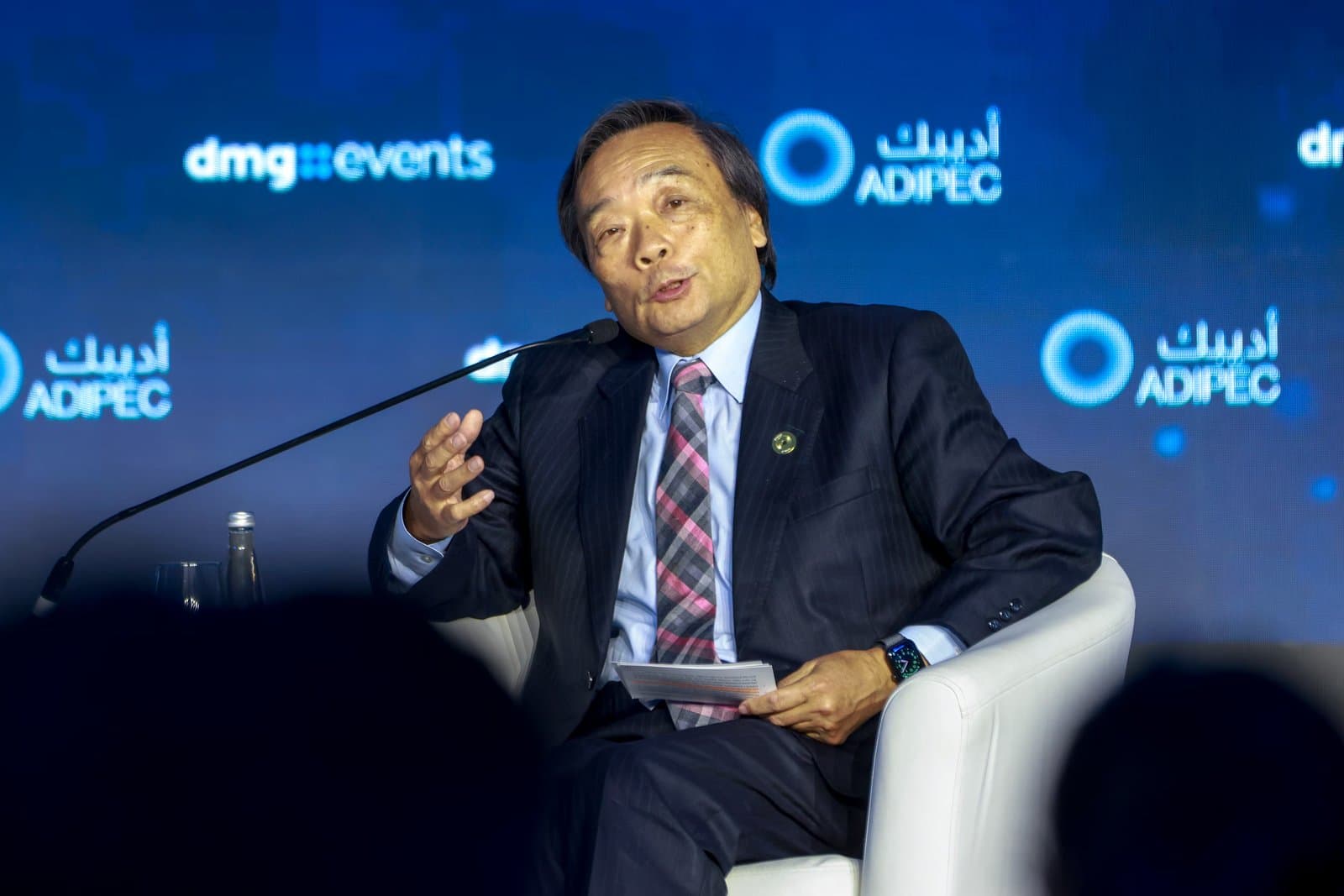
Inpex, Japan's largest oil and gas producer, does not plan to scale back its Middle East business even though months of disrupted shipping through the Strait of Hormuz have hit its offshore operations in Abu Dhabi, the head of its Abu Dhabi unit said.
"I don't think they will reduce, or we will reduce," Masato Kamiya, managing director of Inpex's Abu Dhabi business, told The National in an interview at Adipec in Abu Dhabi. He had been asked whether Japan would cut its reliance on Middle Eastern crude. "We will try our best to work together with others to increase the production," he said.
The comments matter because Japan is among the economies most exposed to the Gulf conflict. The country took about 94 per cent of its crude imports from the Middle East in 2025, according to figures cited by The National. After the US-Israeli strikes on Iran began on February 28, Japan's crude imports fell in April to about 850,000 barrels a day, almost two thirds below the year-earlier level and the lowest since records started in 1979.
Kamiya said Inpex's onshore production in the emirate had continued "without any disruption during this crisis", while its offshore crude operations had run into difficulties. He did not say how large the offshore disruption had been. "We wish we could provide more crude oil to Japan from Abu Dhabi," he said, adding that any increase would depend on market conditions.
Tokyo has spent the year looking for other supplies. It began releasing 80 million barrels from government reserves in March, its largest drawdown on record, as part of a coordinated international effort, having entered the crisis with emergency stocks equal to about 254 days of consumption. Petrol prices reached record highs and petrochemical makers faced tighter supplies of naphtha.
The UAE has become even more important to Japan in that time. It supplied 48.5 per cent of Japan's crude imports in September, much of it loaded at terminals outside Hormuz, while the United States supplied 27.5 per cent, according to Japanese Trade Ministry figures. The Middle East's total share fell to 68.4 per cent. Tokyo has also said it will support pipeline infrastructure that bypasses the strait and help refiners with higher shipping costs.
Kamiya argued that Japanese companies need to hold production rights abroad directly. "Japan doesn't have any natural resources in crude oil," he said. Inpex wants a geographically balanced portfolio, he added, "but what I can say today [is] that Middle East is still a core area".
Inpex has produced oil offshore Abu Dhabi since 1973. It holds 12 per cent of Upper Zakum, one of the world's largest offshore oilfields, and 10 per cent of Lower Zakum, under a concession that runs to 2058. Kamiya said development at Upper Zakum was on schedule but gave no production figures. At Lower Zakum, an ageing field, he said managing reservoir pressure was critical to holding output steady and raising it later.
The company is also expanding in gas as the UAE develops domestic supply. Inpex found oil, condensate and gas at Onshore Block 4 in 2021 and won a production concession in June 2025. ADNOC has since become operator and Inpex keeps a 40 per cent interest. Wells are still being tested before a full development plan is agreed. "We see some further potential," Kamiya said.
This year Inpex also bought 5 per cent of Abu Dhabi's Bab Gas Cap concession alongside BP and TotalEnergies. The project is expected to produce as much as 1.5 billion cubic feet of gas a day.
Kamiya said Inpex was open to more gas projects with ADNOC, possibly including "strategic infrastructure", as long as they were technically viable and commercially competitive. The development plan for Onshore Block 4, still waiting on well test results, is the next decision point for the company's gas business in the emirate.
Sources
- The National · Japan's Inpex stays committed to Middle East oil despite Hormuz disruption
Produced with AI assistance from the sources above. How we work
By
Nakoda News Desk
Nakoda News covers AI and business. Every story links the sources it draws on; how we work is set out in our editorial standards.
Related coverage
Companies Qantas to Move 850 Corporate Jobs to Accenture, Mostly in India, in AI Overhaul
3 hours ago · 2 min read
Companies Abu Dhabi's AIQ in Early Talks for First US Customers After Launching Genesis Platform
4 hours ago · 2 min read
- Companies

Wyndham App Exposed Customer Data Through a Password Hidden in Its Code
5 hours ago · 2 min read
Companies Morgan Stanley Agrees to Buy Digital Transfer Agent Vinyl Equity
6 hours ago · 2 min read
- Companies
Nvidia and Jensen Huang Sued by Shareholder Over Ties to Suspected Chinese Spy
6 hours ago · 3 min read