IEA Says Oil Market Is Returning to Surplus as Gulf Exports Recover From the Iran War
Gulf crude shipments reached 18.4 million barrels a day in October, still 26% below prewar levels, while diesel remains in record-tight supply.
By Nakoda News Desk
·2 min read
Prefer Nakoda News on Google
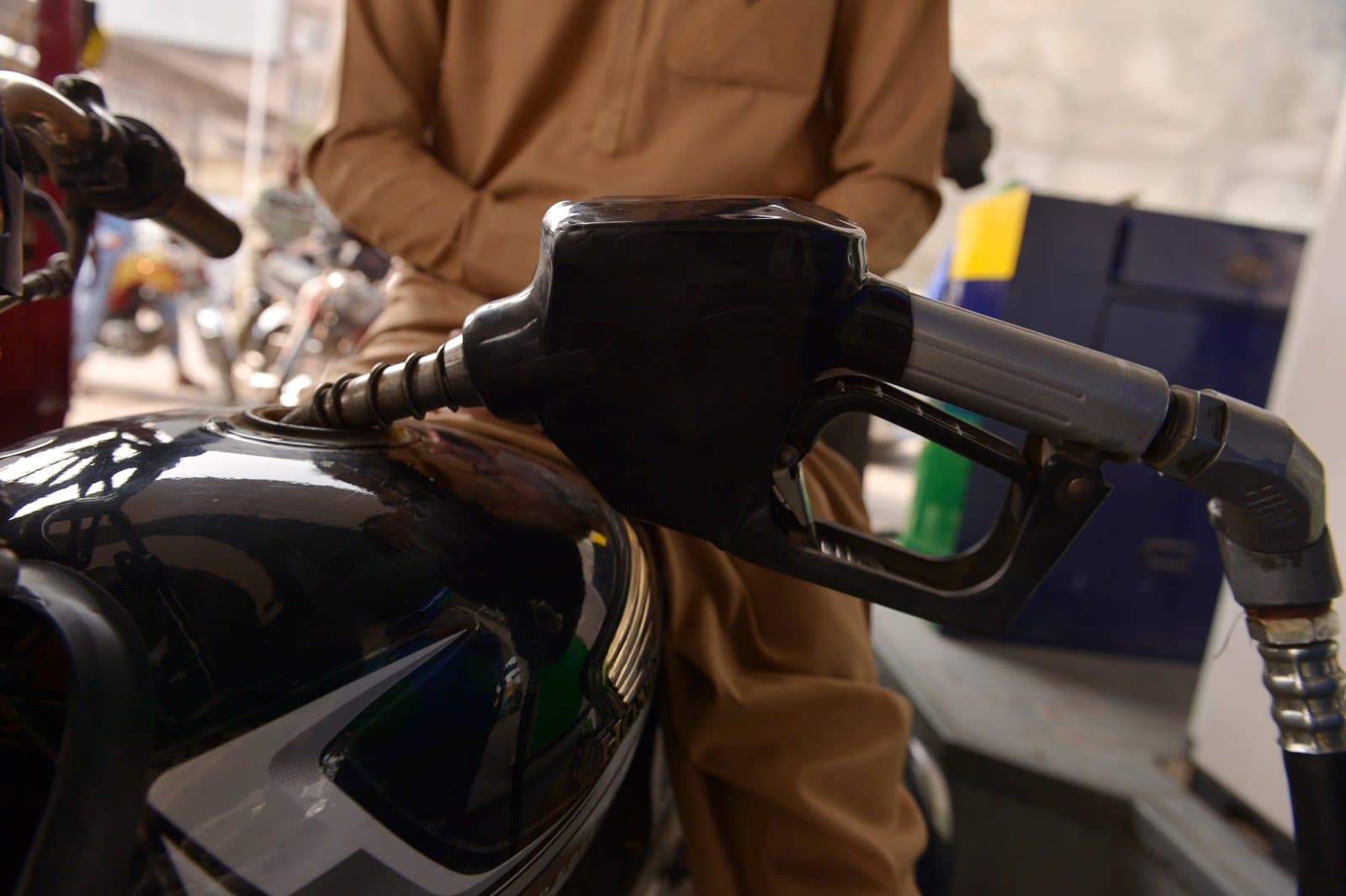
Global oil supply outpaced demand in October for the first time since the Iran war began in late February, the International Energy Agency said on Friday, as exports from the Gulf recovered faster than worldwide consumption.
In its monthly oil market report, the Paris-based agency said the market was "straightening out" and "showing tentative signs of rebalancing". Its supply and demand balances point to a surplus in the fourth quarter of 2026 and a larger build in inventories in 2027.
For Gulf producers and the governments that depend on their revenue, the report is the clearest official sign yet that volumes are coming back even as attacks on shipping continue. It also shifts the pressure onto prices: Brent has fallen markedly in recent weeks, and a sustained surplus would weigh on it further.
Gulf oil exports, excluding Oman, reached 18.4 million barrels per day in October, the IEA said, which is still 26 per cent below prewar levels because tankers transiting the Strait of Hormuz remain under attack. The recovery narrowed the year-on-year output decline to 2.9 million bpd, against an average loss of 8 million bpd from March to September.
World supply rose by 2.3 million bpd last month to 105.4 million bpd, an increase the agency called "extraordinary" at 5.3 million bpd since August. Accounts of the size of October's imbalance differ slightly: The National reported that inventories rose by 1.7 million bpd, while The Guardian reported that supply exceeded demand by almost 2 million bpd. The IEA said it had "significantly" raised its supply expectations for the rest of the year, with fourth-quarter estimates now 3.3 million bpd higher.
Demand remains weak. The agency now expects global consumption to fall by 2.7 million bpd in 2026 to 102.3 million bpd, slightly lower than its October projection, held down by high prices and by disruption to Gulf exports of refined products and liquefied petroleum gas, which remain at about half of prewar levels. It forecasts demand to recover by 2 million bpd in 2027, with LPG, ethane and naphtha accounting for about 80 per cent of the increase as supply chains normalise. Transport fuels will see only a modest gain, "as high prices accelerate electrification and fuel efficiencies across the global car fleet", the IEA said.
The tightest part of the market is diesel, which has risen to record prices, particularly in the United States. The agency said continuing attacks on Russian energy infrastructure were cutting that country's diesel exports on top of the losses from the Middle East. US and other Atlantic Basin refiners are running hard to capture high margins, and better crude availability in Asia and new Chinese product export quotas could lift refinery runs there, it said, adding that the accelerated release of IEA emergency diesel stocks over the coming months would "provide a critical bridge across the supply gap".
The war is now in its ninth month. Washington has signalled it does not plan further military action against Tehran, but no settlement is in place. At 5.02pm UAE time on Friday, Brent was up 0.35 per cent at $96.16 a barrel and West Texas Intermediate was down 0.18 per cent at $88.58.
The IEA said the main risk to its outlook was at sea. "Downside risks to the forecast persist, as attacks on shipping undermine maritime security, which is pivotal to a sustained recovery," it said.
Sources
- The National · Oil market to return to surplus for first time since start of Iran war, IEA says
- The Guardian · Global oil supply returns to surplus for first time since start of Iran war, says IEA
Produced with AI assistance from the sources above. How we work
By
Nakoda News Desk
Nakoda News covers AI and business. Every story links the sources it draws on; how we work is set out in our editorial standards.
Related coverage
- Markets

Abu Dhabi Property Deals Rise 76% to AED171 Billion in Nine Months, Official Data Show
8 hours ago · 2 min read
Markets Asian Chip Stocks Split as Markets Weigh Huang's Exit From Nvidia
9 hours ago · 1 min read
Markets Jane Street More Than Doubled Its Nvidia Holding in the Third Quarter, Filing Shows
10 hours ago · 1 min read
- Markets

AMD and Broadcom Rally This Week as Investors Rotate Out of Nvidia After Huang's Exit
10 hours ago · 2 min read
- Markets

Dubai Rents Fall Up to 14% in Some Areas as Tenants Switch Homes, Betterhomes Says
13 hours ago · 2 min read