AMD and Broadcom Rally This Week as Investors Rotate Out of Nvidia After Huang's Exit
AMD is up 30% and Broadcom 24% since Monday while Nvidia has lost 11%, and a SemiAnalysis chief warns that Nvidia's grip on supply could weaken without Huang.
By Nakoda News Desk
·2 min read
Prefer Nakoda News on Google
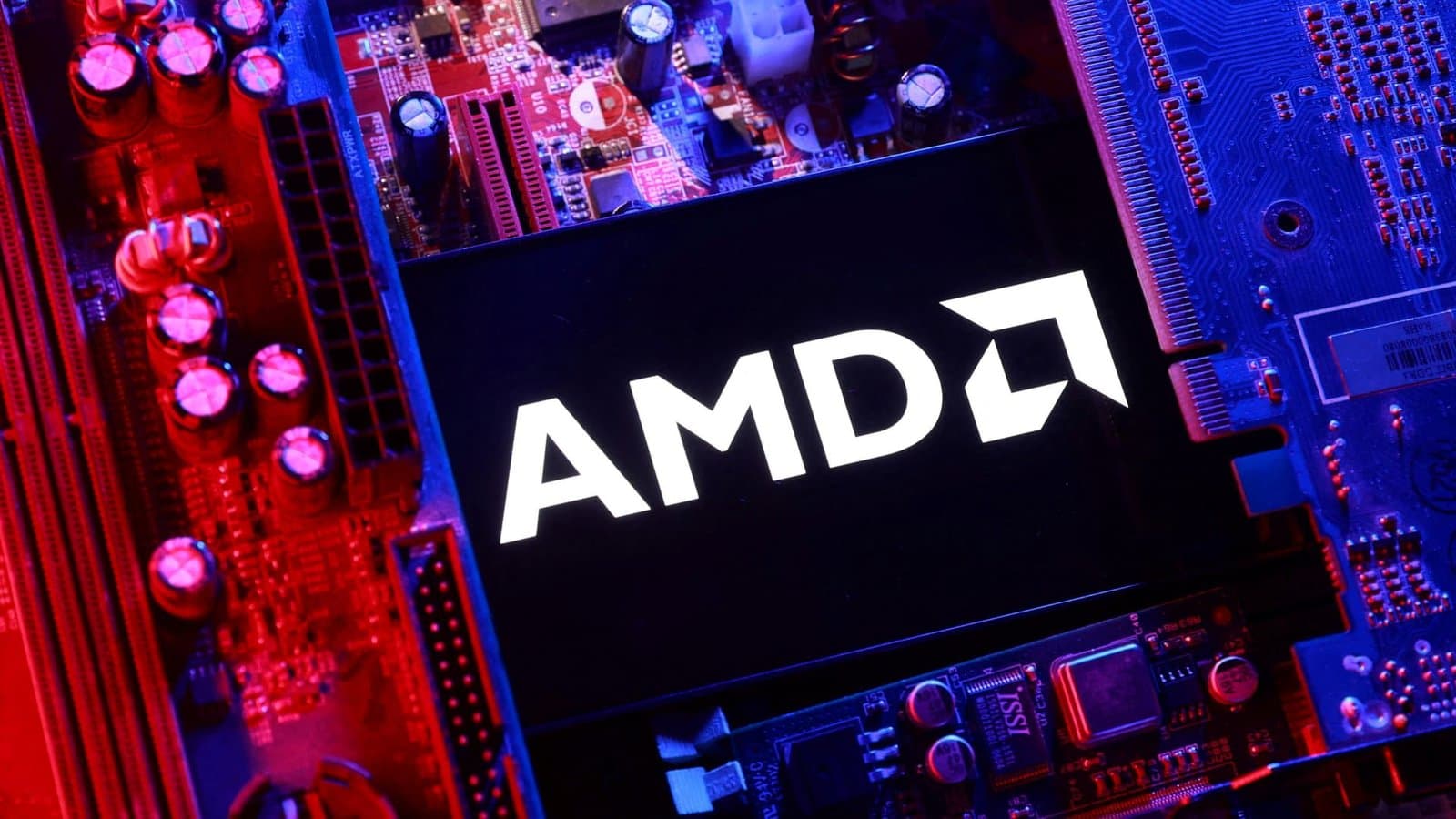
Investors are moving money out of Nvidia and into its rivals and suppliers. AMD shares have risen 30% this week and Broadcom's 24%, while Nvidia has fallen 11% as it deals with the resignation of chief executive Jensen Huang.
Taiwan Semiconductor Manufacturing Co., which makes Nvidia's most advanced processors, has gained 11% over the same period, according to figures compiled by CNBC. The shift has also reached the less speculative end of the chip industry. Texas Instruments is up about 13% this week, Analog Devices 12% and Germany's Infineon 14%.
Investors appear to be reshuffling the AI trade rather than leaving it. Their bet is that turmoil at the top of the dominant supplier of AI accelerators gives competitors a chance to narrow its lead. "What you're seeing in markets now is a bit of a rotation into other advanced chip design companies, on the assumption that this will enable other companies effectively to catch up," Mark Franklin, head of multi-asset solutions for Asia at Manulife Investment Management, told CNBC.
Farzin Azam, managing director of equities trading at Mizuho Americas, said the move was visible on trading desks, with investors favouring chipmakers less exposed to Nvidia's management turmoil. "Names such as TSMC, names such as Broadcom, names such as Advanced Micro will come as winners of this because they don't have this overhang of a management disruption," he said.
Huang stepped down after revelations about several affairs, including one with a woman whom the US intelligence community believes to be a Chinese spy. Chief financial officer Colette Kress has been named interim chief executive.
Dylan Patel, chief executive of the research firm SemiAnalysis, said the longer-term risk lies in Nvidia's supply chain. According to Patel, Huang built personal relationships with manufacturers and component suppliers that helped Nvidia secure scarce production capacity ahead of rivals. Google and Amazon, which design their own AI chips, were already gaining ground on Nvidia in securing capacity and could move faster without Huang's influence over suppliers, he said.
"If Nvidia can't muster the supply chain, then technology is the only competitive advantage. And without Jensen, can they maintain technology advantages? Given they're only a year ahead of their biggest competitors, it's not like the gap is massive," Patel said.
Franklin said the wider AI investment cycle still looked intact. Large technology companies are projecting higher AI spending in 2027, with further increases possible in 2028. The bigger question, he said, is whether growing competition and open-source technology will eventually turn AI capabilities into a commodity, pushing down chip prices and investment returns.
Azam said Nvidia shares looked cheap relative to the company's expected earnings growth. He warned, however, that continuing investigations and uncertainty over management could limit any lasting recovery. He expects strong results when Nvidia reports on November 17 and said investors will be watching closely for management's plans to steer the company through the crisis.
Sources
- CNBC · As Nvidia reels from Huang's affairs, who stands to gain?
- Fortune · Jane Street more than doubled its Nvidia stake last quarter, filings reveal
Produced with AI assistance from the sources above. How we work
By
Nakoda News Desk
Nakoda News covers AI and business. Every story links the sources it draws on; how we work is set out in our editorial standards.
Related coverage
- Markets

Dubai Rents Fall Up to 14% in Some Areas as Tenants Switch Homes, Betterhomes Says
7 hours ago · 2 min read
- Markets

Dubai Keeps Top Spot for $10 Million-Plus Home Sales as Hong Kong Leads on Value
9 hours ago · 2 min read
Markets Six UAE-Listed Companies Turn to Share Buybacks After War-Driven Sell-Off
9 hours ago · 2 min read
- Markets
Nvidia Closes Down 4% After Retail Buyers Cut a 14% Plunge on Huang's Exit
11 hours ago · 2 min read
- Markets

Anthropic's IPO Draws About Six Times More Orders Than Shares on Offer
11 hours ago · 2 min read