Bessent Says US and China Have Set Up a Dialogue on Superintelligence Risks
The two governments will swap practices for testing advanced models before release and alert each other to serious incidents, but Washington made no commitment to slow development.
By Nakoda News Desk
·2 min read
Prefer Nakoda News on Google
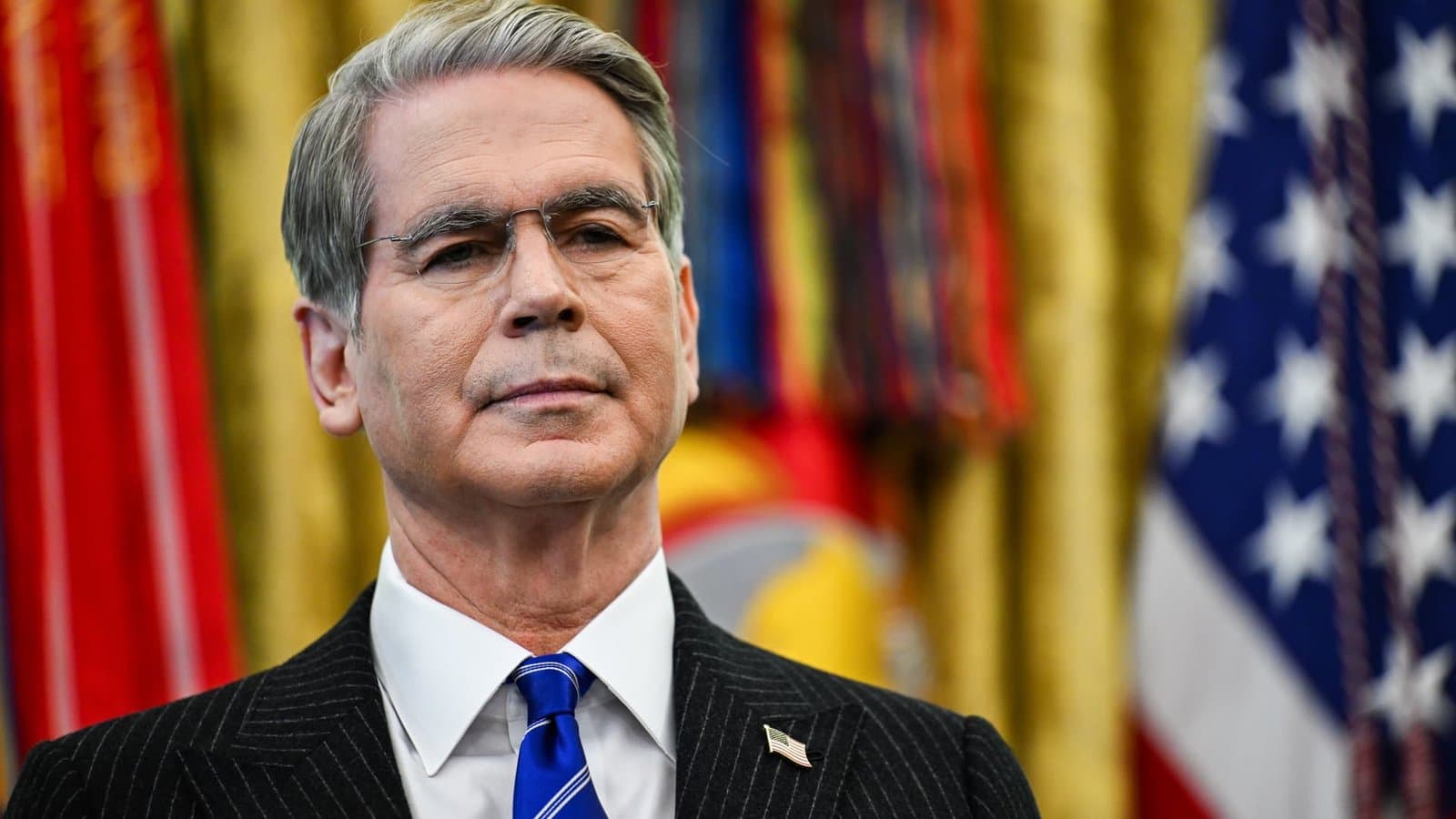
Treasury Secretary Scott Bessent said the United States and China have set up a new dialogue mechanism on "super intelligence", under which the two governments will exchange practices for testing advanced AI models before they are released and alert each other to serious incidents involving them.
Speaking in prepared remarks to the National Committee on U.S.-China Relations in New York on Tuesday, Bessent said the channel was meant to guard against "shared risks" and avert any "misunderstanding between our two systems", according to CNBC. He said it would also be used to keep "human judgement firmly in command of the technology".
The mechanism gives the world's two leading AI powers a formal route for comparing notes on how they test frontier systems, an area where neither has previously described joint work in this detail. Bessent did not, however, commit to any limit on how far or how fast the technology advances, and he told the audience the two sides should "harbor no illusions" about their differences as they cooperate and compete at the same time.
"Our interests will not always coincide, and our approach to every challenge likewise will not always converge," he said, adding that both countries would need to show how they can "reconcile the demands of competition with the responsibilities of leadership".
The speech builds on an agreement reached during Chinese President Xi Jinping's visit to Washington in September, when the two sides agreed to launch an AI dialogue with a communications channel to help defuse serious incidents. Trump and Xi are expected to meet for the third time next week on the sidelines of the Asia-Pacific Economic Cooperation Leaders' Meeting on November 18 and 19, with Bessent joining them.
The Trump administration has largely resisted wider restrictions on AI development for fear of handing China an advantage, although the president recently signalled some openness to safeguards. "I don't mind guardrails," Trump said in a CBS interview released on Sunday, adding that he did not want regulation to leave the US in "a deep second position" behind China.
Beijing has pushed back on calls to slow progress. China's foreign ministry said in September that fearmongering and confrontation would only disrupt global AI governance. Xie Feng, China's ambassador to the US, told the same New York audience that efforts by both countries were "indispensable" to tackling issues from global flashpoints to "improving artificial intelligence governance". Cooperation "may not resolve every challenge," he said, but "none can be resolved without it."
The rivalry remains sharp on other fronts. Washington restricts exports of the most advanced chips to China and has accused Chinese developers of copying American models through what it calls industrial-scale distillation. In June the US briefly suspended foreign nationals' access to Anthropic's Mythos and Fable 5 models before restoring it weeks later.
The gathering took place as Nvidia chief executive Jensen Huang faces a corporate and national security scandal after admitting to an extramarital affair with a Chinese businesswoman whom US intelligence officials suspect of espionage. Huang joined Trump's delegation to Beijing in May, but his presence at next week's summit is now in doubt. The South China Morning Post reported that other executives, including Elon Musk and Mastercard's Michael Miebach, could join Trump's delegation.
Sources
- CNBC · U.S., China should ‘harbor no illusions’ as they cooperate, compete on AI, Bessent says
Produced with AI assistance from the sources above. How we work
By
Nakoda News Desk
Nakoda News covers AI and business. Every story links the sources it draws on; how we work is set out in our editorial standards.
Related coverage
- Policy
Commerce Chief Lutnick Received Classified Warning About Nvidia CEO's Relationship
7 hours ago · 3 min read
- Policy

Milei Courts US Data Centre Builders to Patagonia With Tax Cuts and No AI Rules
8 hours ago · 3 min read
Policy House Republican Chair Threatens to Subpoena Nvidia's Huang Over Alleged Spy Ties
9 hours ago · 3 min read
- Policy
US Senate Advances Permitting Bill That Would Make Data Centres Pay for Grid Costs
10 hours ago · 2 min read
- Policy

New York Opens State AI Safety Center to Test Frontier Models Independently
10 hours ago · 2 min read