UAE Approves Genome Plan to Sequence All Emiratis and Send Reports to 900,000 People
Abu Dhabi's crown prince approved the 2026-2028 masterplan. It moves the programme from collecting DNA data to using it in care, with personal reports due on TAMM from December.
By Nakoda News Desk
·2 min read
Prefer Nakoda News on Google
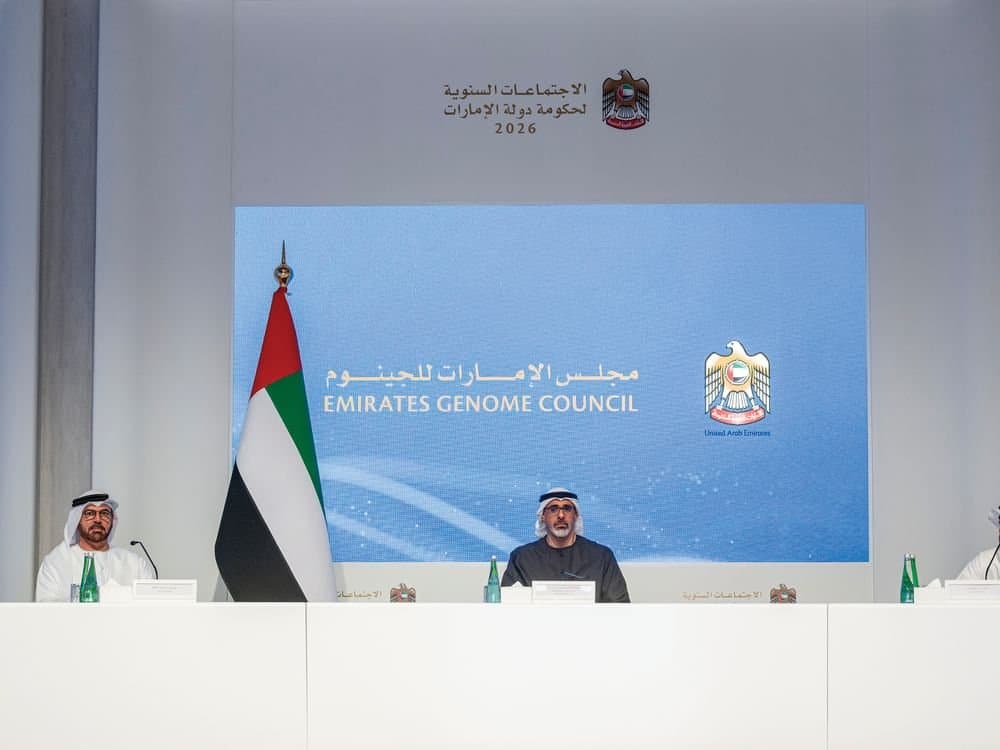
The UAE plans to offer genome sequencing to every Emirati citizen. It will also give personal genetic health reports to 900,000 people who have already given samples, under a 2026-2028 national plan approved on Tuesday by Sheikh Khaled bin Mohamed bin Zayed Al Nahyan, Crown Prince of Abu Dhabi.
Sheikh Khaled approved the National Genomics Masterplan at a meeting of the Emirates Genome Council during the UAE Government Annual Meetings, according to statements from the Abu Dhabi Media Office and the state news agency WAM. The plan covers the next phase of the country's National Genome Strategy. The focus moves from building a genetic database to using it in clinical care, early prevention and treatment tailored to each patient.
The Emirati Genome Program has now reached one million participants, according to the statements, which describe it as the most comprehensive population genome programme in the world. The council said the next step is to put that data to use for the people in it.
The personal reports will be available through TAMM, Abu Dhabi's government services platform, from December 2026. They will cover 214 inherited genetic conditions and health traits, and each will explain what the results mean and what participants should do next. The government says the reports will meet the highest standards of privacy and data confidentiality. It did not say how participants consent to receiving them or who else can see the findings.
The masterplan has four parts. The first opens the programme to all Emirati citizens and links the results to national prevention, diagnosis and treatment programmes for those eligible. The second is the report rollout to 900,000 participants, which the council calls the largest initiative of its kind. The third extends newborn genetic screening across the country. That screening checks more than 730 genes linked to more than 815 childhood conditions that can be treated early or managed clinically. The fourth strengthens the Trusted Research Environment, a secure digital space where approved institutions can analyse the data with AI tools. Twenty-one local and international research and health bodies have been invited to use it since it launched.
The plan also includes a regulatory sandbox for genomic products. There will be education and career tracks to build Emirati expertise in genomics, along with efforts to attract foreign specialists. The council also reviewed genetic testing in premarital screening, which began in 2025.
Mansoor Ibrahim Al Mansoori, chairman of the Department of Health – Abu Dhabi and secretary-general of the council, said the programme's database would be combined with "an AI-powered healthcare system and a state-of-the-art regulatory ecosystem". He said the aim was to move from sequencing to prevention and precision medicine for the whole population. He added that the council would work with researchers, physicians and specialised companies worldwide to turn discoveries into clinical use.
The meeting included health ministry and emirate-level health chiefs, Omar Sultan Al Olama, the Minister of State for Artificial Intelligence, and Professor Eric Xing, president of Mohamed bin Zayed University of Artificial Intelligence. This shows how closely the programme is tied to the UAE's AI plans. The government has not published a budget for the plan or a target date for sequencing all citizens. The first reports go out in December.
Sources
- Abu Dhabi Media Office · Khaled bin Mohamed bin Zayed chairs Emirates Genome Council meeting, approves 2026-2028 National Genomics Masterplan
- Emirates News Agency · Khaled bin Mohamed bin Zayed chairs Emirates Genome Council meeting, approves 2026-2028 National Genomics Masterplan
- وكالة أنباء الإمارات · خالد بن محمد بن زايد يترأس اجتماع مجلس الإمارات للجينوم ويعتمد الخطة الوطنية لبرنامج الجينوم الإماراتي 2026–2028
Produced with AI assistance from the sources above. How we work
By
Nakoda News Desk
Nakoda News covers AI and business. Every story links the sources it draws on; how we work is set out in our editorial standards.
Related coverage
Policy House Republican Chair Threatens to Subpoena Nvidia's Huang Over Alleged Spy Ties
7 hours ago · 3 min read
- Policy

US Senate Advances Permitting Bill That Would Make Data Centres Pay for Grid Costs
8 hours ago · 2 min read
- Policy

New York Opens State AI Safety Center to Test Frontier Models Independently
8 hours ago · 2 min read
Policy UAE Cyber Chief Calls for Gulf Cybersecurity Union After Iran War Cyberattacks
9 hours ago · 2 min read
- Policy
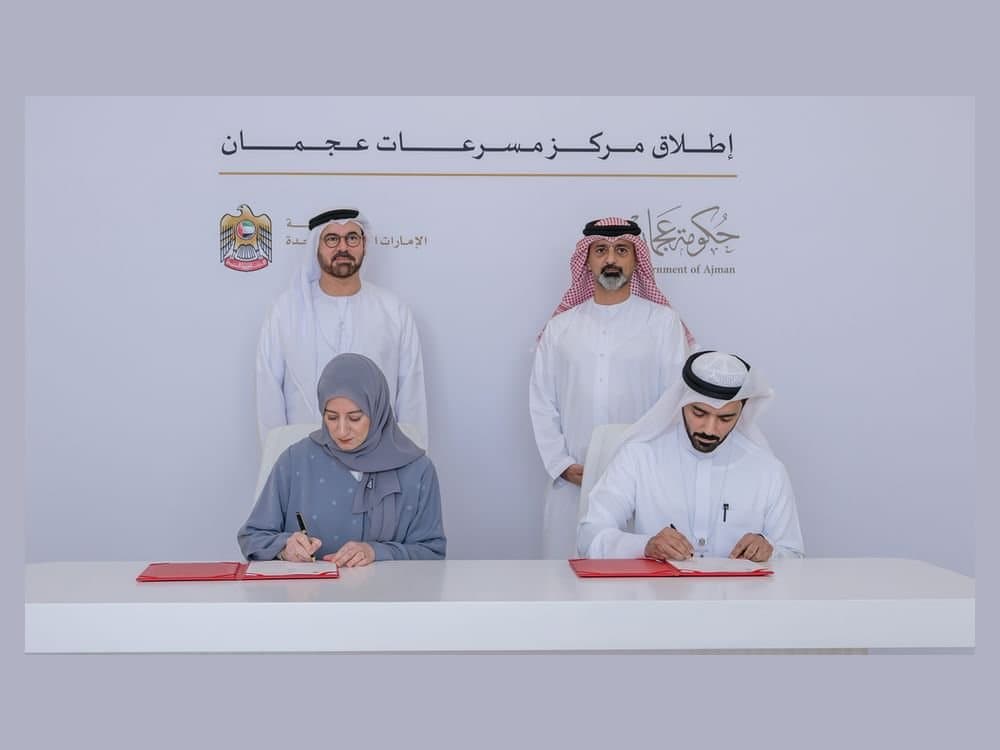
Ajman Sets Up First Local Government Accelerators Centre, Starting With an AI Programme
9 hours ago · 1 min read