Saudi Inflation Slows to 1.7% in October as Rents Rise 3.5%
Housing contributed 0.7 points of the headline rate, while Dubai ran at 5% and Oman and Bahrain at 3.2% in September, according to Kamco Invest.
·2 min read
Prefer Nakoda News on Google
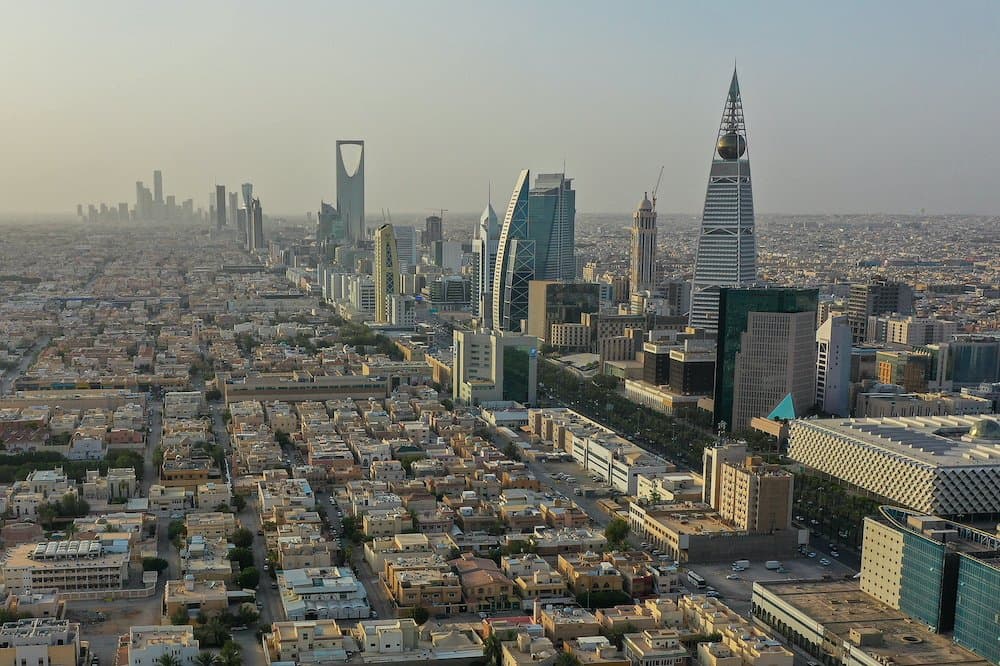
Saudi Arabia's annual inflation rate slowed to 1.7 per cent in October from 1.9 per cent in September, matching April's rate, according to data from the General Authority for Statistics (GASTAT), Arab News reported. Consumer prices rose 0.1 per cent from the previous month.
Housing remains the main source of price pressure in the kingdom. The housing, water, electricity, gas and other fuels category rose 3.5 per cent year on year, with actual rents up by the same amount, and contributed 0.7 percentage points of the headline rate, GASTAT said. Transport added 0.3 points after rising 2.3 per cent, and food and beverages added 0.2 points on a 1.1 per cent increase.
Insurance and financial services prices rose 3.5 per cent, led by a 6.5 per cent jump in insurance services. Recreation, sport and culture rose 2.7 per cent, restaurants and accommodation 1.8 per cent and education 1.3 per cent. Furnishings and household equipment fell 0.5 per cent, and clothing and footwear fell 0.2 per cent.
Saudi inflation remains below the rates recorded in the other Gulf markets covered by a November analysis from Kamco Invest, which said higher food and transport costs, amid the regional conflict and disruption to shipping through the Strait of Hormuz, had intensified price pressures across the region. Dubai had the highest rate in September, at 5 per cent, with transport costs up 14.7 per cent. Oman and Bahrain were both at 3.2 per cent in September, with food prices up 8 per cent in each. Kuwait's rate was 2.2 per cent in July. Oman's inflation eased to 2.9 per cent in October, according to its National Centre for Statistics and Information.
Kamco said energy subsidies, administered prices and currency pegs have kept inflation across the Gulf Cooperation Council relatively contained compared with the wider region. It cited International Monetary Fund projections for average GCC inflation of 2.7 per cent in 2026, easing to 2.4 per cent in 2027 and 2 per cent from 2028.
On a monthly basis, insurance and financial services posted the largest increase in October, at 1.5 per cent, while rents rose 0.4 per cent. Transport, education and restaurant prices were unchanged from September.
GASTAT's index tracks a fixed basket of 582 items based on its 2023 Household Income and Expenditure Survey.
By
Nakoda News Gulf Desk
Business, technology and policy across the UAE, Saudi Arabia and the wider Gulf.
Related coverage
Business Awqaf Dubai Plans Over AED 400 Million in Nine Malls to End State Mosque Funding by 2030
12 hours ago · 1 min read
Business UAE-Mozambique Non-Oil Trade Hits $2.5 Billion in Nine Months as Countries Sign Deals
13 hours ago · 2 min read
- Business

Rivian, Lucid and Scout CEOs Plan Without New Federal EV Aid After Democrats Win Congress
15 hours ago · 2 min read
- Business

Iran's IRGC Says Two Tankers Hit Mines and Caught Fire South of Strait of Hormuz
16 hours ago · 2 min read
Business UAE Population Hits 12.06 Million in 2025, Up 7% From 11.3 Million, FCSC Says
17 hours ago · 1 min read