Rivian, Lucid and Scout CEOs Plan Without New Federal EV Aid After Democrats Win Congress
Rivian's RJ Scaringe, Lucid's Silvio Napoli and Scout's Scott Keogh say they will welcome help but won't count on it, and Keogh wants any support aimed at production.
·2 min read
Prefer Nakoda News on Google
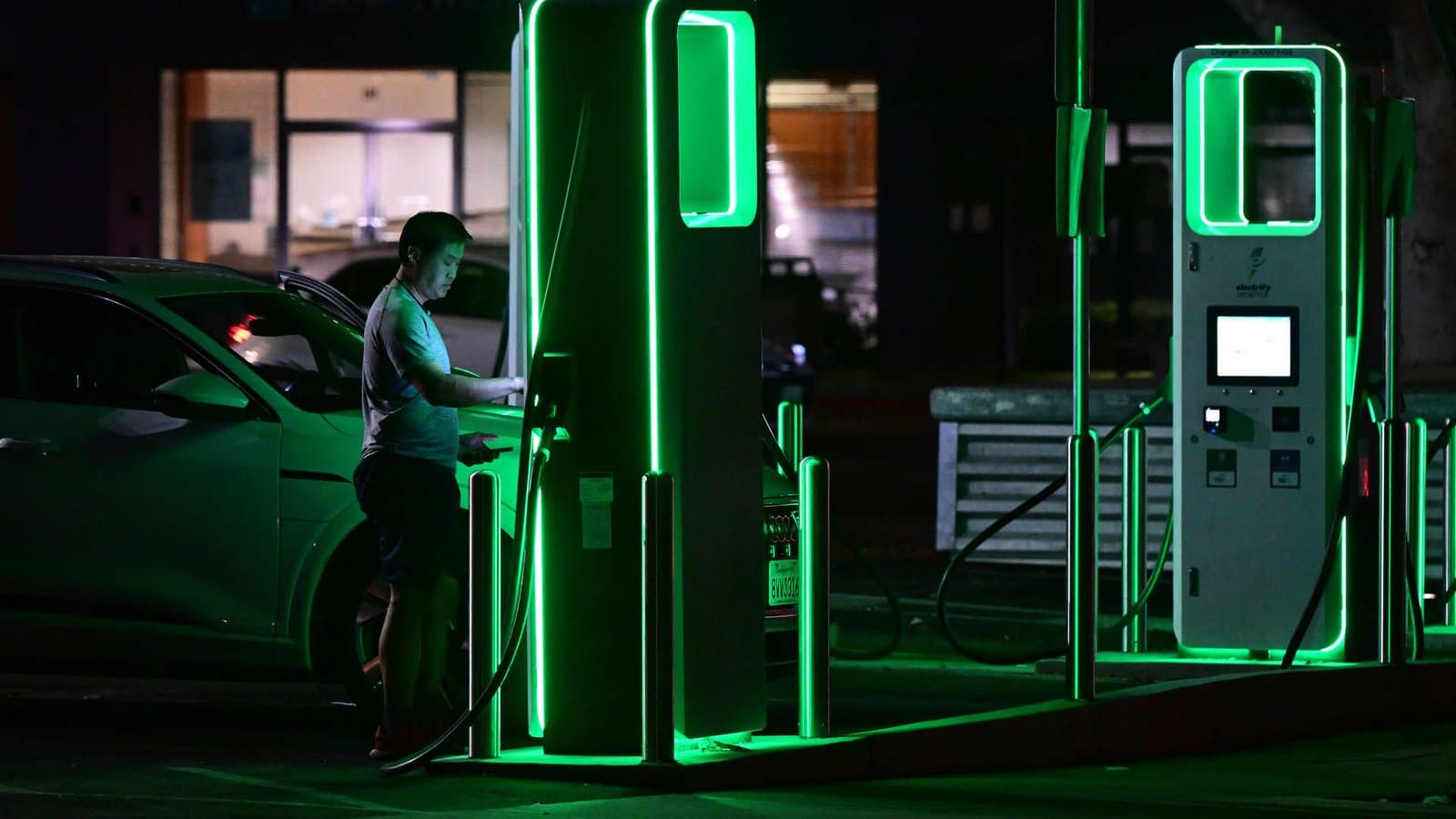
The chief executives of Rivian Automotive, Lucid Group and Scout Motors are not counting on new federal support for electric vehicles once Democrats take control of Congress in January, though all three said they would gladly take it, CNBC reported.
The Trump administration has ended or rolled back Biden-era support for EVs, including a purchase incentive of up to $7,500 that expired after September 2025. Legacy carmakers such as General Motors and start-ups alike had relied on the credits to lift sales and move their EV businesses toward profit.
"We try not to plan for those sort of things. The reality is it's probably going to have less of an impact than we think," Rivian chief executive RJ Scaringe said on November 6, after the election results. He said he hoped the Democratic-controlled Congress and President Donald Trump could find middle ground on EVs, but added: "I think we're going to actually have a lot of challenges getting things done."
Lucid, which is backed by Saudi Arabia's Public Investment Fund, is taking a similar approach. "Anything positive, we'll take it," chief executive Silvio Napoli said.
Scott Keogh, chief executive of Scout Motors, said the company had been built from day one not to count on legislation. If lawmakers do offer support, he would prefer it go to production rather than buyers. "I always prefer it on the production side," Keogh said. "Anything that can drive down production cost is going to, of course, get passed along to the customer."
Democrats appear more focused on healthcare and data centres than on climate policy. House Democrats plan to bring forward bills to reinstate expired enhanced health insurance subsidies and reverse Medicaid cuts, and to concentrate on oversight of the administration and on affordability.
Affordability could still bring vehicles into the debate. Rachel McCleery, executive director of the Coalition for Reimagined Mobility at SAFE and a former Treasury senior adviser and Ford policy director, said she expects legislative debates over EV and EV supply chain incentives. "Bringing down the cost of vehicles for U.S. consumers is top of mind for Democratic policymakers," she said.
The price gap remains wide. The average new EV cost more than $54,800 in September, according to Cox Automotive, while the industry-wide average was just over $51,100 last month. EV sales spiked ahead of the credit's expiry last year and have since fallen back.
"Ultimately, incentives can help accelerate adoption, but the industry can't build its long-term strategy around them," said Stephanie Valdez Streaty, Cox's director of industry insight.
By
Nakoda News AI & Tech Desk
AI models, chips, products and research, and what they can and cannot do.
Related coverage
Business UAE Population Hits 12.06 Million in 2025, Up 7% From 11.3 Million, FCSC Says
6 hours ago · 1 min read
Business Keeta Drone to Debut M-Drone 4L at Dubai Future Week; Meta, Uber Among Eight Partners
7 hours ago · 2 min read
- Business

Fitch Affirms UAE at AA-, Sees 0.5% Growth in 2026 and Expects Emirates to Bear War Costs
10 hours ago · 2 min read
- Business
Damac's Sajwani Says Anthropic Stake Beat His 30 Years in Business Before Nasdaq Debut
11 hours ago · 3 min read
- Business
Dubai RTA Offers Up to Seven Extra Taxi Plates Under New Five-Star Operator Ratings
11 hours ago · 2 min read