Nvidia Releases Nemotron for Science, an Open Model and Chemistry Dataset for Lab Agents
Terray Therapeutics, Lila Sciences and Argonne National Laboratory are early users, but the performance claims for Nemotron 3.5 Super VL so far come from Nvidia and its partners.
·2 min read
Prefer Nakoda News on Google
Nvidia has released Nemotron for Science, which pairs its open Nemotron 3.5 Super VL model with LitmusBench v0.2, a chemistry dataset of nearly 50,000 questions, and post-training recipes for building research agents. The model and the dataset are available on Hugging Face.
The package is aimed at laboratories and companies that want to adapt a model and run it on hardware they control. Nvidia said the model has been optimised to run locally on its 128GB DGX Spark desktop system, and that it also runs on data centre infrastructure, so organisations can keep scientific work on their own systems.
LitmusBench v0.2 is built for training and evaluating language models on chemistry reasoning. It draws on molecular properties and experimental drug discovery data, such as how soluble a molecule is and how the human body processes it. The recipes show how to post-train Nemotron on domain data and connect the result to agent workflows that interpret scientific information, write code and call computational tools, including Nvidia's CUDA-X accelerated tools.
The evidence so far comes from Nvidia and its partners rather than independent benchmarks. Terray Therapeutics post-trained the model to pull reactants, products and reaction conditions out of scientific diagrams. On the RxnScribe test it recovered about 76% of annotated reactions, and it beat previously published results on two benchmarks. Lila Sciences used the model to design lab protocols for its automated labs. According to Nvidia, post-training with lab feedback nearly doubled the model's accuracy at making quantum dots, to 61%. That beat the 54% scored by GPT-6 Astra, at 10 to 20 times lower inference cost. Therna, which worked with Nvidia on mRNA therapeutic design, said post-training nearly doubled accuracy in predicting protein-expression ranges compared with frontier models. Scientists preferred the tuned model's explanations to the base model's in 96% of comparisons.
Research centres are also adopting it. Argonne National Laboratory is building Nemotron into StructBioReasoner, a multi-agent system that designs and evaluates protein-based treatments for cancer and other diseases. KTH Royal Institute of Technology built an agent that repairs broken GROMACS molecular dynamics setups. In one overnight run on a single DGX Spark, it fixed 81% of test cases with reasoning switched on, and GROMACS itself checked each fix. Jülich Supercomputing Centre is adding the model to its discovery agents. RIKEN has made Nemotron models, including Nemotron 3.5 Super VL, available on its RIKYU AI supercomputing platform through RiVault, its inference gateway.
"Nemotron for Science gives researchers open models, scientific data and post-training recipes to build specialized agents that reason through scientific problems and use CUDA-X accelerated tools to turn ideas into discoveries," said Ian Buck, Nvidia's vice president of hyperscale and high-performance computing.
The release did not give the model's licence terms or parameter count, and it reported no head-to-head results against other open models on general science benchmarks. Nvidia pointed to a technical blog for details of the post-training method.
By
Nakoda News AI & Tech Desk
AI models, chips, products and research, and what they can and cannot do.
Related coverage
- Products

Apple Brings Camera-Based Face Unlock to Foldable iPhone Duo in iOS 27.3 Beta
6 hours ago · 2 min read
Products Rockwell Builds Nvidia Omniverse Into Emulate3D for Factory-Scale Simulation
9 hours ago · 2 min read
Products Nvidia Readies 192-CPU Vera Rack for Science Simulation, With DKRZ Signed On
10 hours ago · 2 min read
Products e& Launches AIO Sovereign AI Platform for 20 Markets, Plans 200MW of Data Centre Capacity
10 hours ago · 2 min read
- Products
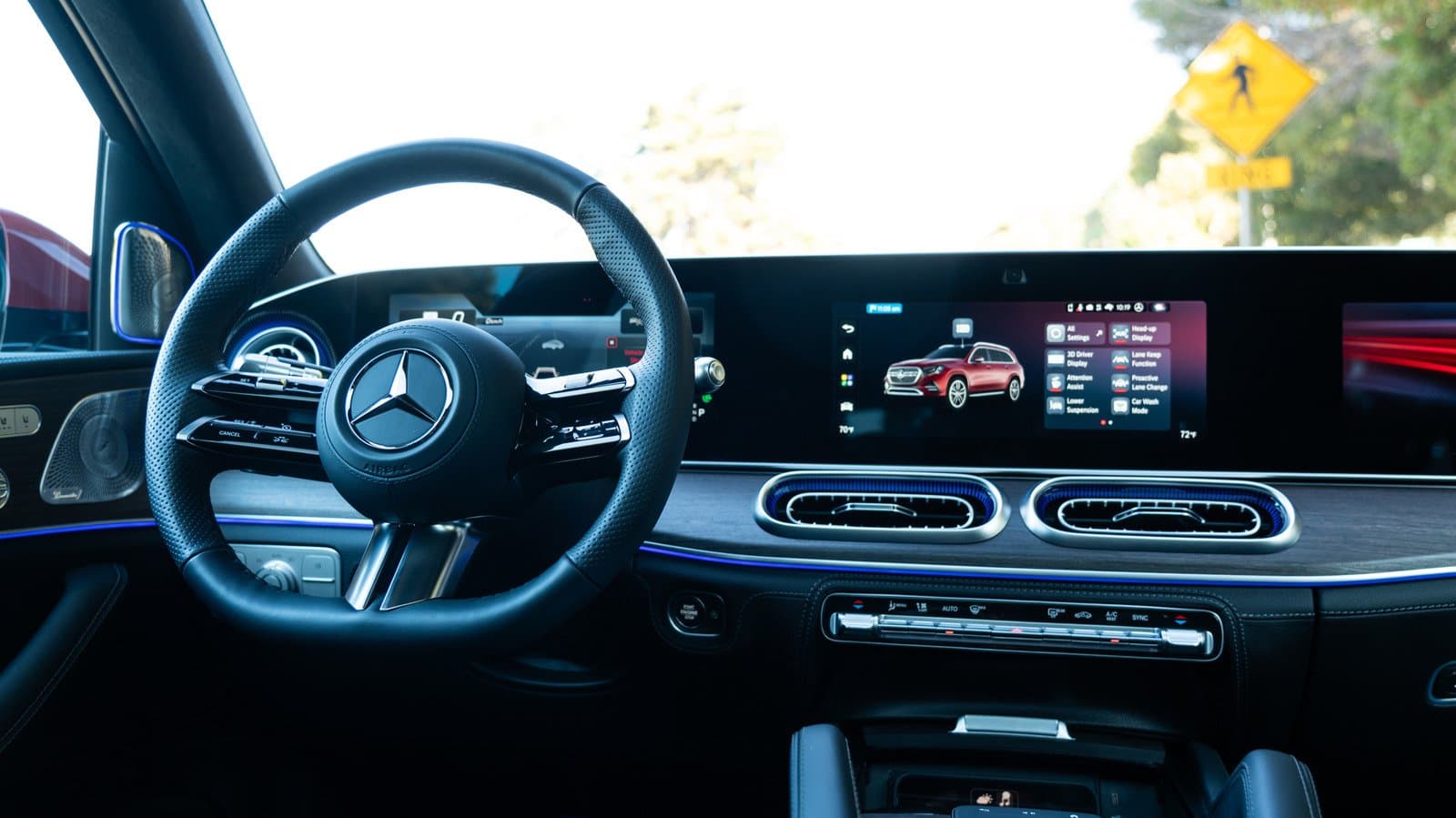
Mercedes-Benz Sets Spring 2027 for Hands-Free Highway Driving, City System Same Year
13 hours ago · 2 min read