Noeri Launches With $110 Million to Let AI Propose Workflow Changes for Human Approval
Menlo Ventures led the round for the start-up founded by Stanford researchers Yejin Choi and Carlos Guestrin. Its software suggests changes to AI workflows and sends each one to a person for review.
·3 min read
Prefer Nakoda News on Google
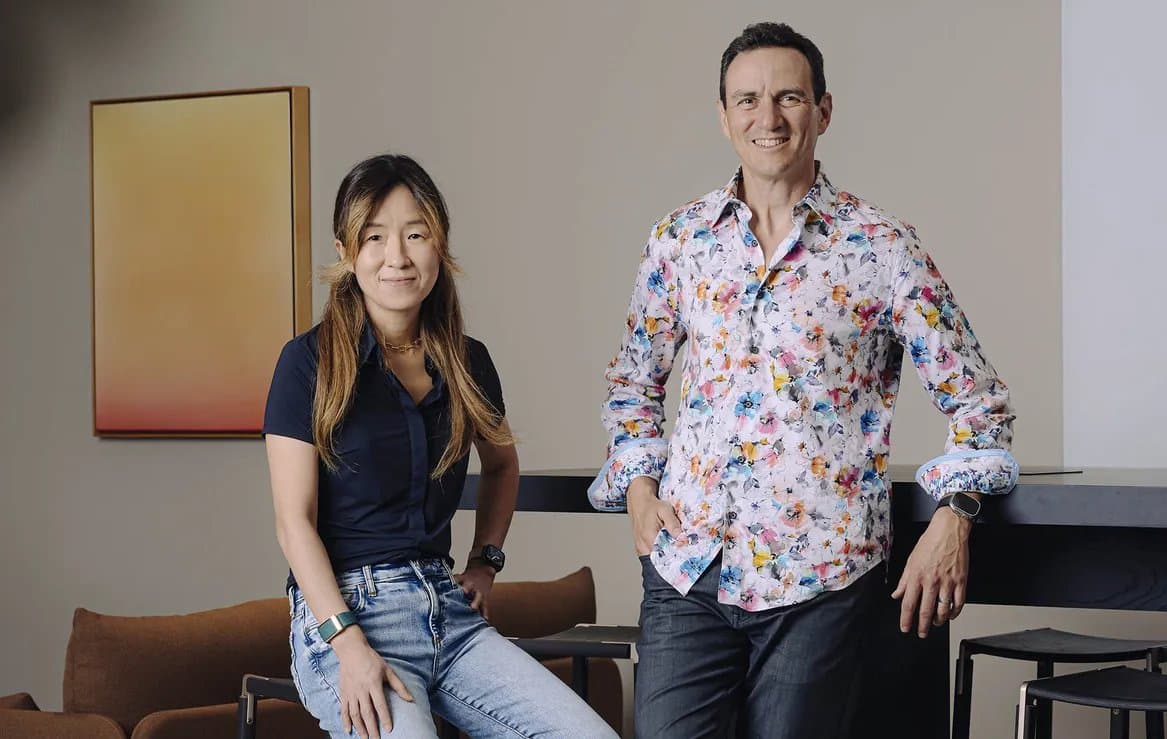
Noeri, an AI start-up founded by Stanford University researchers Yejin Choi and Carlos Guestrin, has launched with $110 million in funding led by Menlo Ventures, SiliconANGLE reported. Its software studies a company's data and workflows and proposes changes to how tasks are done. Every suggestion comes with an explanation and goes to a person for approval.
Madrona Ventures, Kindred Ventures, Wing Venture Capital and NEA also invested, along with Snowflake and Cisco Ventures.
Noeri's software learns a company's data, workflows and business processes, then proposes changes to make specific tasks more efficient. It might offer different instructions, suggest different tools or swap in a different model for any step of a workflow. Each change is reviewed by a human before it is accepted, much as AI-generated code changes are handled. The founders call it a "living" AI system that improves over time. It works with both open-weight and proprietary models, and customers keep full ownership of the workflows and AI systems they build.
Choi told Bloomberg that Noeri is aimed at organisations caught between paying fees they cannot afford for the most capable models and accepting results from a weaker one. The idea came from helping a Stanford microbiology and immunology team use OpenAI's models more cheaply. She and Guestrin built a small model that learned to use OpenAI's older models and, after fine-tuning, performed better than GPT-5 on that team's projects.
"Few companies would build their core operations on a single consultant who also advises every competitor, can change its terms at will and can never be brought in-house," Choi and Guestrin wrote in a blog post. "A single, centralized AI offers exactly that arrangement." The company's name means "intelligence, in the plural", reflecting the founders' view that no single model or small group of models will dominate. Guestrin made a similar case in September at Madrona Ventures' IA40 Summit, arguing that the future of intelligence cannot be controlled by one or two companies that own the models.
The product draws on two lines of research. Guestrin developed a self-distillation technique that lets a model act as its own teacher and turn its mistakes into lessons. Choi's work on agent orchestration has shown that smaller models directing teams of agents and tools can outperform much larger frontier models at lower cost.
The founders spent years developing self-improving systems at the University of Washington before moving to Stanford. Guestrin helped develop XGBoost, a popular machine learning tool, and co-founded GraphLab, later renamed Turi, which Apple bought in 2016. He then led Apple's machine learning and AI research organisation. Choi led the Allen Institute for AI's common-sense reasoning research team before joining Nvidia as a distinguished scientist in 2024. She left about a year later for Stanford and helped Guestrin start Noeri in May.
"Most new AI labs ask the market to wait years for a breakthrough," said Venky Ganesan, a partner at Menlo Ventures. "Carlos and Yejin are doing world-class research and putting it to work inside companies at the same time. That combination is rare, and it's why we moved quickly to lead this round."
Noeri says it is working with partners across several industries, including some of its investors, chosen partly so its systems would be exposed to many kinds of work. Others are making a similar bet. Mira Murati's Thinking Machines Labs debuted Tinker, a cloud service for fine-tuning models, last year, and Applied Compute embeds engineers with customers to fine-tune AI systems for them.
By
Nakoda News Startups Desk
Founders, funding rounds, investors and the companies they back.
Related coverage
- Business

Latin America Holds 38.3% of Lithium Reserves as Gulf States Bet on Its Minerals
5 hours ago · 2 min read
- Business
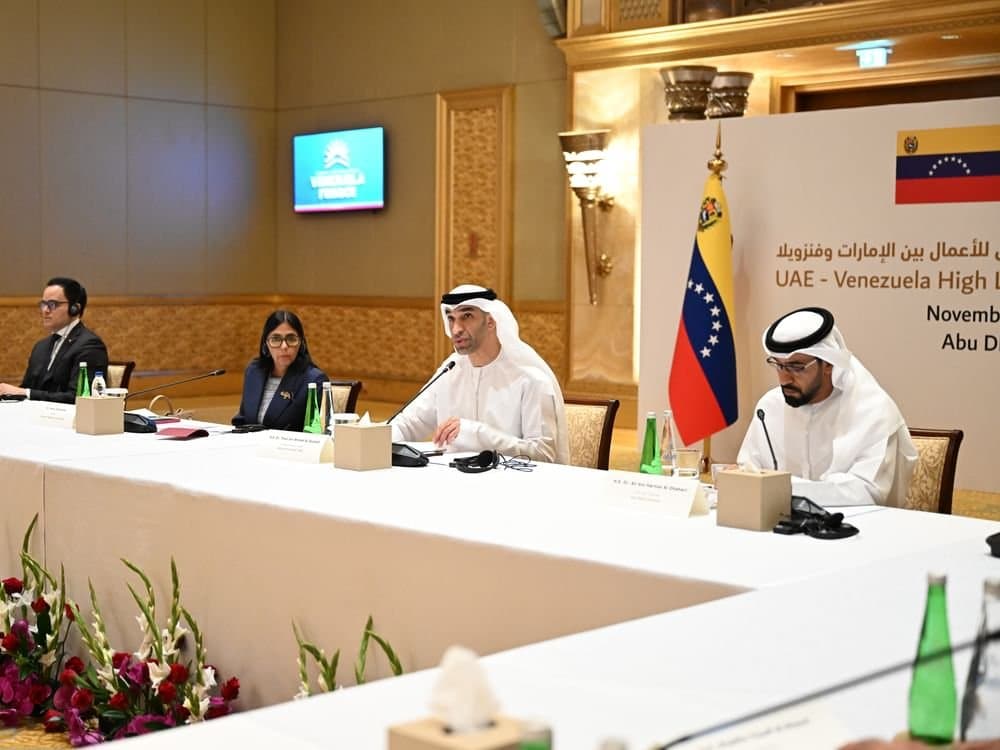
Venezuela Seeks $76 Billion Oil and Gas Investment as Rodríguez Courts UAE in Abu Dhabi
8 hours ago · 2 min read
- Business

Saudi R&D Spending Rises 17% to SR34.51 Billion in 2025, Still 0.72% of GDP
9 hours ago · 2 min read
Business UAE Runs 475.8MW of Data Centres, 45% of Gulf Capacity, With 416.5MW More Being Built
10 hours ago · 3 min read
Business UAE Space Agency Brings Together 15 UAE Space Groups and 13 Spanish Firms for 14 Meeting Rounds
11 hours ago · 1 min read