Latin America Holds 38.3% of Lithium Reserves as Gulf States Bet on Its Minerals
The region refines only about 20% of its mined output of key energy minerals, lithium aside. ADQ, the UAE and Saudi Arabia are building ties there as Western governments look to cut reliance on China.
·2 min read
Prefer Nakoda News on Google
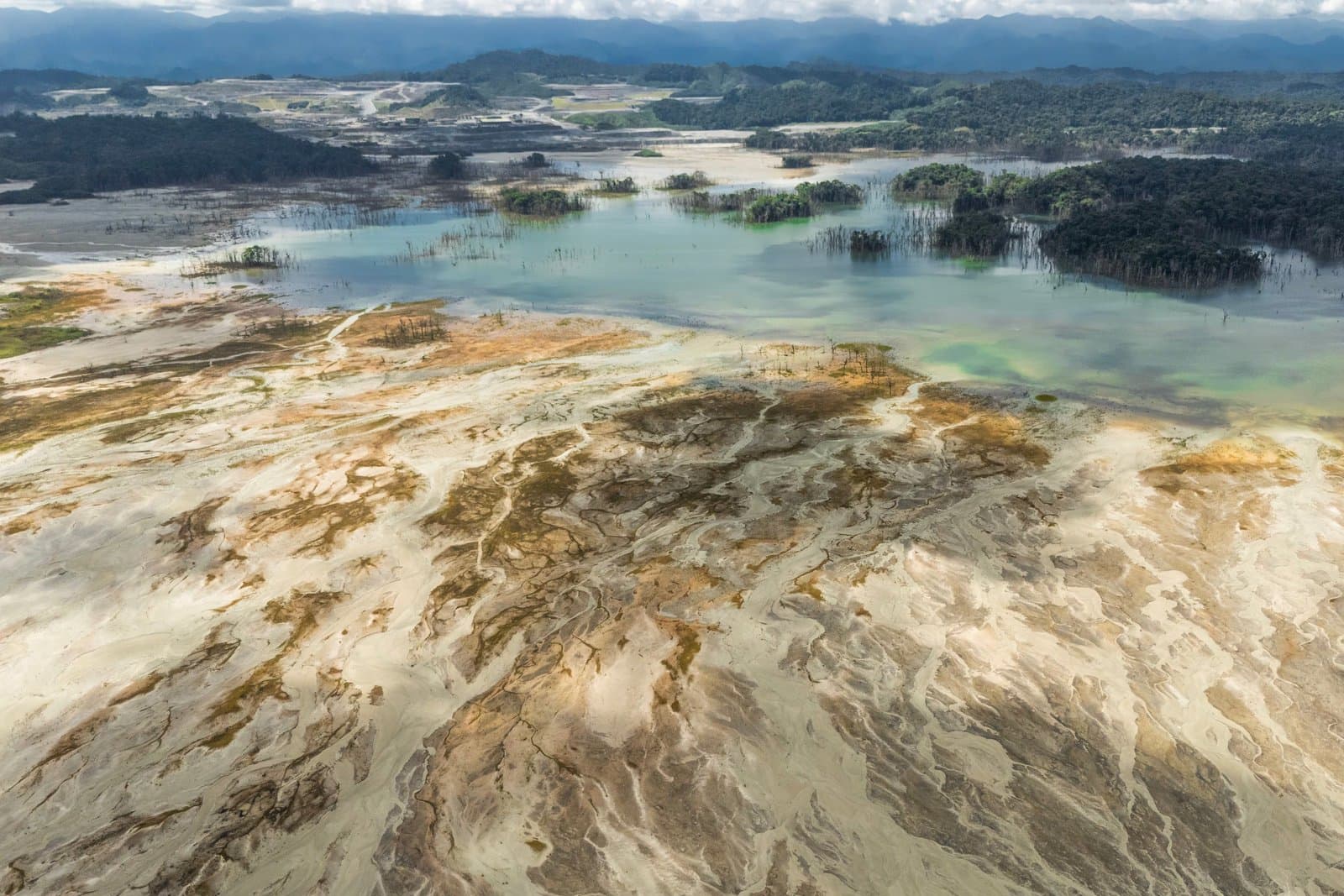
Latin America and the Caribbean hold 38.3 per cent of global lithium reserves and 32.5 per cent of copper reserves, according to the Organisation for Economic Co-operation and Development. The region wants to become a viable destination for critical minerals investment as Western governments look for alternatives to Chinese supply, and Gulf investors including Abu Dhabi's ADQ are already moving in, The National reported.
China holds a market share of 70 per cent or more in 19 of the 20 minerals the International Energy Agency lists as strategically important. It also accounts for about 90 per cent of global rare-earth processing. Beijing imposed export controls on seven heavy rare earth elements in April 2025 and widened the list in October. The IEA estimates the controls would cost $6.5 trillion a year in downstream production outside China if fully applied. Last week Beijing extended a pause on the curbs until January.
Lithium demand is expected to triple by 2040. Latin America also holds major shares of silver and graphite.
Processing is a weak point. The region refines only about 20 per cent of its mined output of key energy minerals, lithium aside, according to the IEA's 2026 global critical minerals outlook. The outlook also cites high financing costs, gaps in infrastructure and skills, and weak trust with local stakeholders. The IEA estimates that if lithium, nickel, cobalt, graphite and rare earths were refined locally and two-thirds of copper production were processed in the region, the economic value generated would rise by nearly 50 per cent to about $220 billion by 2035.
Gulf states have been deepening their investment ties. In January, ADQ and US investment firm Orion Resource Partners announced a joint venture to invest in companies in Latin America, Africa and Asia. The UAE and Brazil signed a $2.5 billion preliminary agreement last year to explore and develop strategic minerals. In September, on the sidelines of the UN General Assembly, the UAE and Argentina began talks on a Comprehensive Economic Partnership Agreement covering mining and minerals, AI and other sectors. Saudi Arabia signed non-binding agreements with Brazil and Chile at the Future Minerals Forum in Riyadh this year.
"I think we're learning the hard way that we need to be more competitive in these environments," said Andrew Wilson, executive director at the Centre for International Private Enterprise, speaking on the sidelines of a critical minerals summit in Washington.
Brazil published a list of 27 critical and strategic minerals last week to attract investment and increase domestic processing. Copper, lithium, uranium and rare earths were among those named as top priorities for government support.
By
Nakoda News Gulf Desk
Business, technology and policy across the UAE, Saudi Arabia and the wider Gulf.
Related coverage
- Business
US Executives Head to UAE on Commerce-Certified Infrastructure Trade Mission
4 hours ago · 1 min read
- Business
Venezuela Seeks $76 Billion Oil and Gas Investment as Rodríguez Courts UAE in Abu Dhabi
8 hours ago · 2 min read
- Business

Saudi R&D Spending Rises 17% to SR34.51 Billion in 2025, Still 0.72% of GDP
9 hours ago · 2 min read
Business UAE Runs 475.8MW of Data Centres, 45% of Gulf Capacity, With 416.5MW More Being Built
10 hours ago · 3 min read
Business UAE Space Agency Brings Together 15 UAE Space Groups and 13 Spanish Firms for 14 Meeting Rounds
11 hours ago · 1 min read