ICE Chief Sprecher Says Lenders Could Force Data Centre Borrowers to Hedge GPU Prices
The exchange operator is pushing compute futures, but secret hyperscaler contracts leave no real spot market, and Washington's stance on GPU price transparency is unclear.
By Nakoda News Desk
·1 min read
Prefer Nakoda News on Google
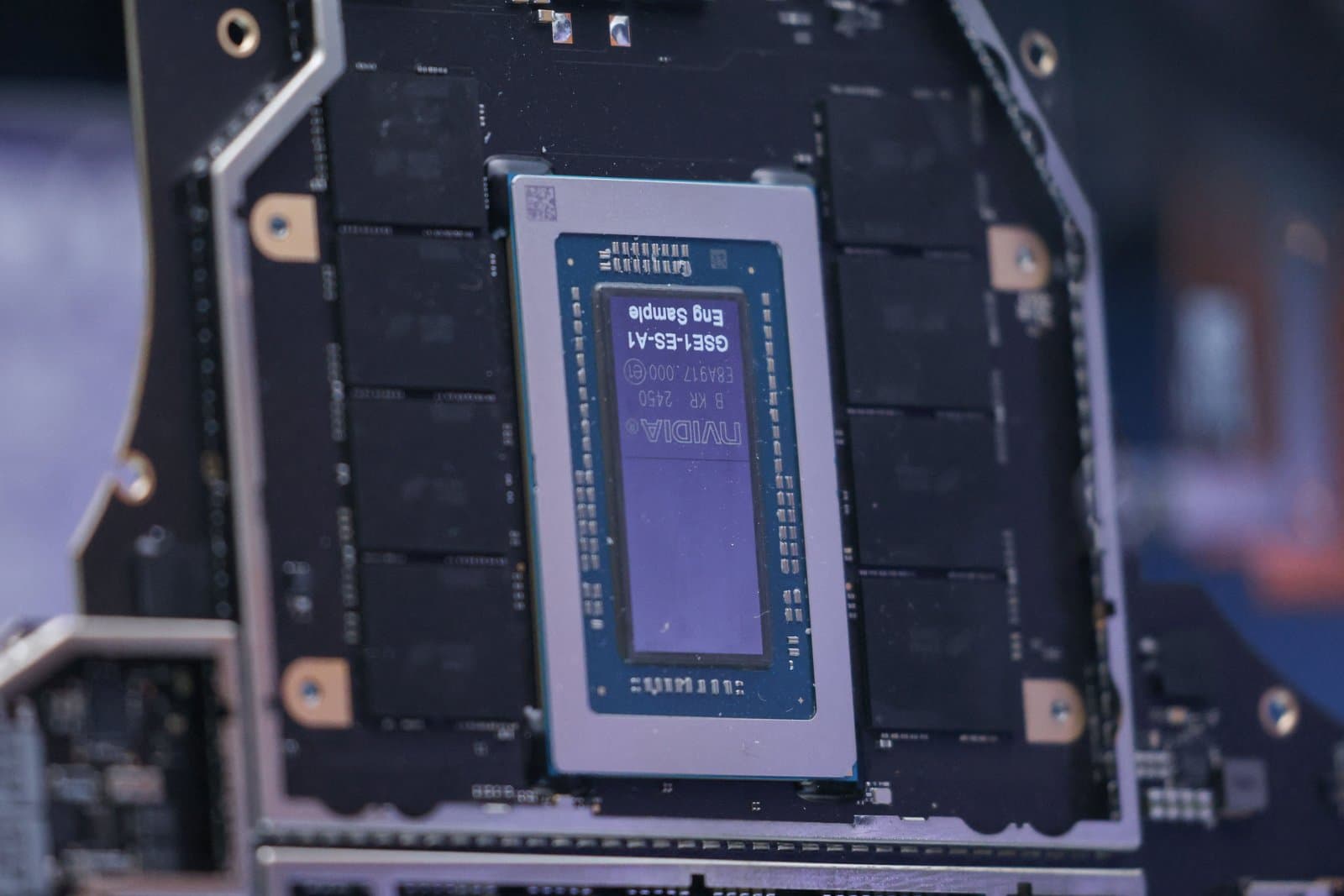
Lenders that are growing uneasy about financing data centres could start requiring borrowers to lock in the price of their GPU computing power for as long as their loans run, Intercontinental Exchange chief executive Jeff Sprecher told Semafor this week.
"It may be that the capital markets require that, given how much money is being lent," Sprecher said in the interview, held at the futures industry's annual conference in Chicago. That would give exchanges the hedging demand they need to turn AI compute into a traded commodity, something ICE and its rivals have been working on for most of this year.
The obstacle is that futures usually grow out of an established spot market, and compute does not really have one. The biggest buyers, the hyperscale cloud and AI companies, rent capacity under confidential contracts, so most public price data comes from the patchier offerings of smaller neocloud providers. Sprecher called himself "bullish but cautious" and said the industry was working "backwards".
ICE announced in May that it would launch a suite of cash-settled, dollar-denominated GPU compute futures with Ornn, based on Ornn's Compute Price Index. ICE said at the time that the index is built only from completed transactions and covers Nvidia's H100, H200 and B200 chips and the RTX 5090, and that the contracts need regulatory approval. That announcement gave no launch date. CME Group and Nodal Exchange have announced competing compute futures plans this year.
The bigger uncertainty is in Washington. Semafor has reported that pressure from the Trump administration led Kalshi to drop one of its GPU price trackers in September. Sprecher put that pressure down to concern that open pricing for AI compute could put the United States at a disadvantage against China. He said he expected officials to side with markets in the end, while acknowledging that the industry was waiting for a decision.
"The United States is a free market and that has always advantaged us vis-à-vis China, so I suspect that's where they'll come out," he said.
Sources
- Intercontinental Exchange · ICE and Ornn to Launch GPU Compute Futures Contracts
Produced with AI assistance from the sources above. How we work
By
Nakoda News Desk
Nakoda News covers AI and business. Every story links the sources it draws on; how we work is set out in our editorial standards.
Related coverage
- Markets

Abu Dhabi Property Transactions Jump 76% to Dh171 Billion in First Nine Months of 2026
16 hours ago · 3 min read
Markets Nvidia and CoreWeave Among 67 Issuers Blocking OKX-ICE Tokenized Stock Venue
21 hours ago · 3 min read
- Markets

OpenAI Takes In $11 Billion at $1.25 Trillion Valuation After Scaling Back Its Round
21 hours ago · 3 min read
Markets Anthropic's Record IPO Faces a Lower Valuation or Delay as AI Stocks Slide
22 hours ago · 3 min read
Markets Nvidia Posts Fifth Straight Weekly Loss, Leaving It About $1.27 Trillion Below Its Peak
1 day ago · 2 min read