FCC Grants SpaceX Conditional Licence for Up to One Million Starmind Satellites
The first US licence for an orbital data centre network sets deployment deadlines to 2040, but SpaceX's debris plans for satellites above 600 km still await approval.
·3 min read
Prefer Nakoda News on Google
The US Federal Communications Commission on November 25 gave SpaceX conditional approval to deploy and operate up to one million Starmind satellites built to run computing workloads in orbit. It is the first time the regulator has licensed an orbital data centre constellation, and the order sets a precedent for pending bids from Starcloud and Blue Origin.
The decision gives a regulatory basis to a business SpaceX has been pitching since it filed the application at the end of January 2026, shortly after acquiring xAI. SpaceX President and Chief Operating Officer Gwynne Shotwell told investors in October that launches would begin in 2027, according to Via Satellite. It also sets the first precedent for competing proposals. Starcloud has applied for an 88,000-satellite constellation and Blue Origin for a 51,600-satellite network called Project Sunrise, and the FCC said it "intends to issue decisions on each expeditiously."
FCC Chairman Brendan Carr said the action "opens a bold new frontier for the computing infrastructure needed to power America's leadership and growth." Elon Musk replied to Carr on X: "Much appreciate. This will be a great asset to America and the world."
The satellites would fly at altitudes between 500 km and 1,002 km and talk to each other, and to SpaceX's Starlink satellites, mainly by laser. Each would carry a compute payload averaging 175 kW and peaking at 250 kW, cooled by deployable liquid radiators and powered by solar arrays based on Starlink's design, according to the filing details reported by Via Satellite. Radio links in the Ka-band, under Starlink's existing authorisation, are allowed only for limited backup and emergency use, including to keep control of satellites if the laser links fail.
Milestones Through 2040
The 15-year licence term starts when SpaceX launches its first Starmind satellite. The company must have at least one in orbit by November 25, 2033, 10 per cent of the constellation by November 25, 2035, half by November 25, 2038 and the remainder by November 25, 2040.
The commission granted several waivers, including for spectrum used for tracking, telemetry and command and for its processing round rules. In some bands SpaceX must operate on an unprotected, non-interference basis. The FCC declined to order further environmental review under the National Environmental Policy Act, describing concerns about atmospheric effects from re-entering satellites as "speculative and not supported in the record."
Amazon, Viasat and the American Astronomical Society filed petitions to deny. Amazon, which is building a rival to Starlink, argued that the application lacked basic details and described it as a "lofty ambition rather than a real plan." The Secure World Foundation called constellations of this size a "qualitative shift" and urged a phased approval tied to demonstrations. The FCC replied that it does not cap the number of satellites it can authorise in similar orbits and that many questions about feasibility and long-term impact fall outside its mandate.
Debris Questions Still Open
The approval is not complete on orbital debris. The FCC has not yet signed off on SpaceX's debris plans for satellites operating above 600 km, TechCrunch reported. SpaceX has asked for a waiver of the rule requiring satellites that end their missions below 2,000 km to re-enter the atmosphere within five years, proposing instead to move some retired satellites to other orbits around Earth or the Sun.
The licence does not show that orbital data centres can work at a commercial scale. SpaceX still has to bring down the cost of building and launching the satellites, keep processors cool in space and find financing for the chips it plans to put in orbit. None of that has been demonstrated yet. The next regulatory step is the commission's ruling on the debris waiver for the higher shells, and SpaceX's own target is a first launch in 2027.
By
Nakoda News Policy Desk
Regulation, government strategy and the rules taking shape for AI and technology.
Related coverage
Policy Khanna to Press Nvidia's Huang on Whether Chips Reached China via Singapore's Megaspeed
7 hours ago · 2 min read
- Policy

New UAE Decree-Law Lets Financial Free Zone Firms Work on the Mainland Without an Onshore Office
14 hours ago · 2 min read
- Policy

Abu Dhabi's ADDED Aims to Cut Licence-to-Opening Time by an Average 53% Across Five Sectors
16 hours ago · 2 min read
- Policy
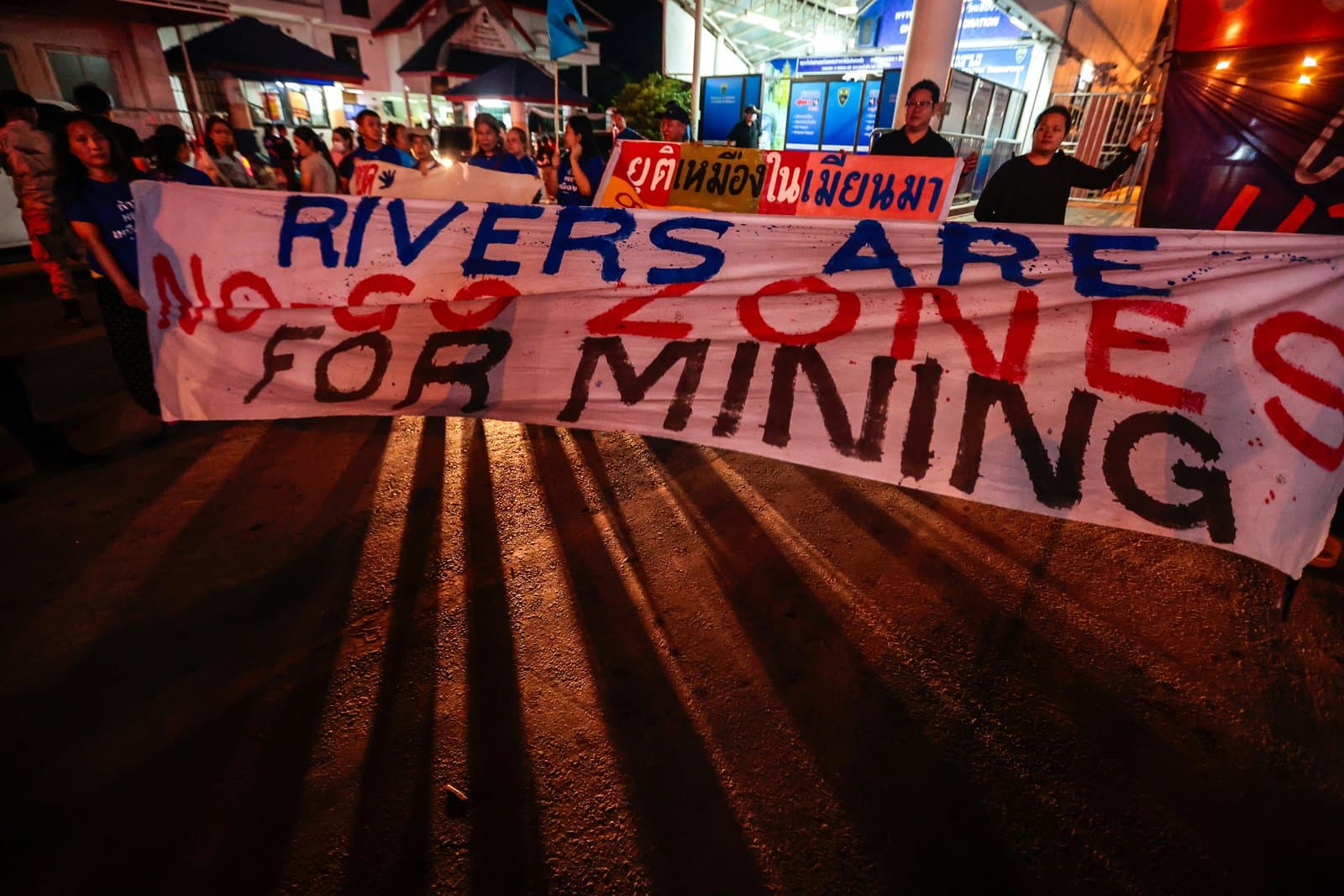
Thailand to Ban Mining Chemical Exports From Monday Over Myanmar Rare Earth Pollution
20 hours ago · 1 min read
Policy Trump Says SEC Chair Paul Atkins Will Make 'Super Intelligence' the Mandatory Term for AI
21 hours ago · 1 min read