Thailand to Ban Mining Chemical Exports From Monday Over Myanmar Rare Earth Pollution
The Defence Ministry order targets supplies to mines in Myanmar's Shan State, which Thai officials blame for arsenic above safe levels in the Kok, Sai and Ruak rivers.
·1 min read
Prefer Nakoda News on Google
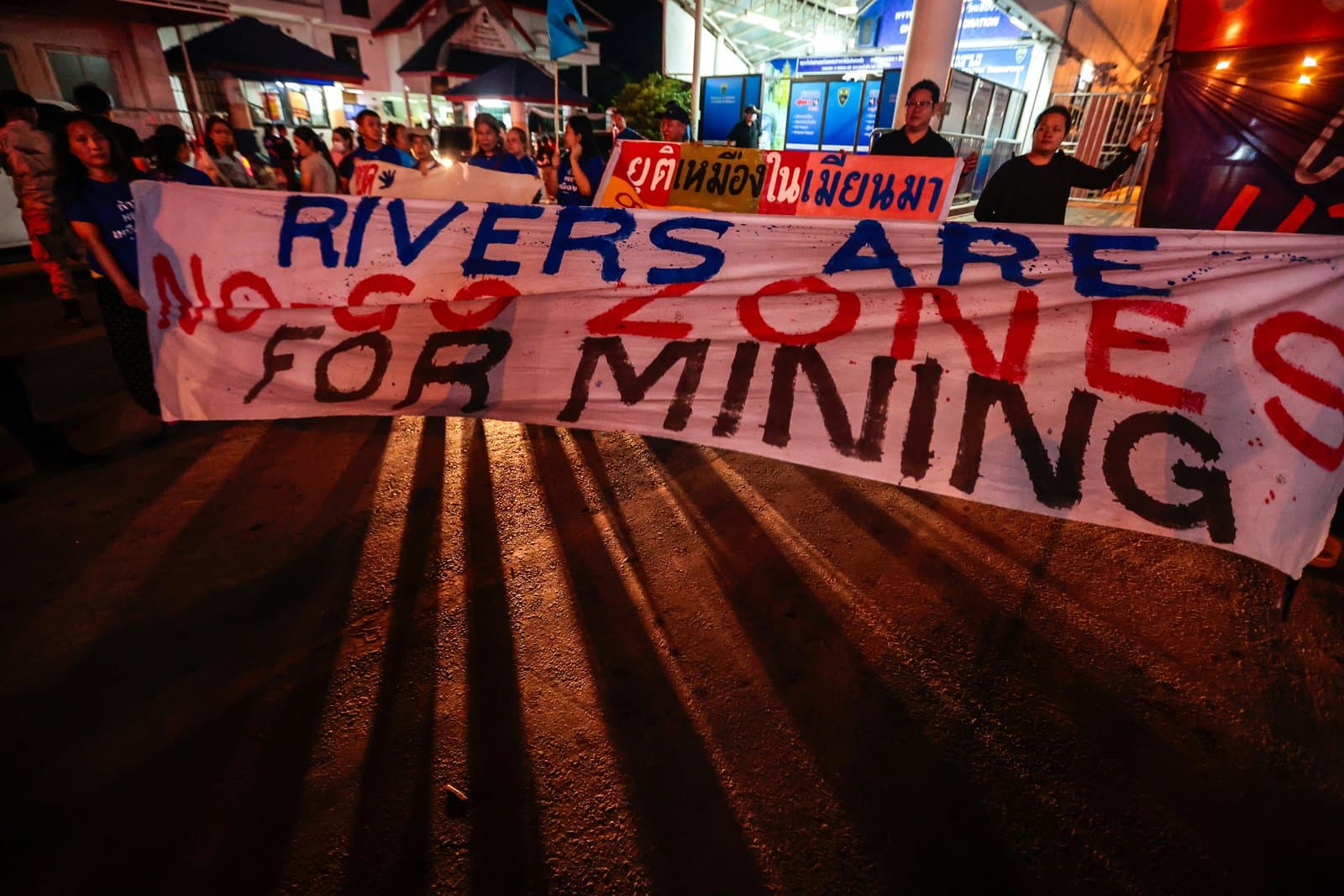
Thailand will ban exports of chemicals used in mining from Monday, Prime Minister Anutin Charnvirakul said on Saturday, in a move aimed at rare earth mines across the border in Myanmar that Thai officials blame for polluting rivers in the country's north. The Defence Ministry will issue the order, Anutin said on his weekly government television programme, Reuters reported. Details were first published by Arab News.
The Defence Ministry will issue the order, Anutin said on his weekly government television programme. He added that authorities were looking for alternative water sources for residents worried about contaminated rivers. Thailand had said last week that it planned to block exports of rare earth mining chemicals to Myanmar and other relevant countries.
The ban targets a supply line, not the mines themselves, which sit across the border and outside Thai jurisdiction. Rare earth operations in the region commonly rely on in-situ leaching, in which chemicals are injected into the ground to dissolve the elements, according to Nation Thailand. Myanmar has become a significant source of the rare earths that feed China's processing industry and, through it, magnet supply chains for electric vehicles and electronics. Thai officials have not said which chemicals the order covers or how much of the mines' supply passes through Thailand.
Deputy Prime Minister Yodchanan Wongsawat told Reuters on Friday that existing data showed mines in Myanmar's Shan State were polluting rivers that flow into northern Thailand. Myanmar has asked for more evidence. The two governments have agreed to set up 12 water sampling points, with joint sampling expected to start between December and January.
Tests in August found arsenic above standard levels at several points on the Kok, Sai and Ruak rivers. Al Jazeera reported this month that unsafe arsenic levels had been found in the water supply of more than 20,000 households in northern Thailand, and that authorities were trucking in clean water.
The list of controlled chemicals and the way exports will be checked are expected to be set out when the Defence Ministry issues the order on Monday, November 30.
By
Nakoda News Policy Desk
Regulation, government strategy and the rules taking shape for AI and technology.
Related coverage
- Policy
Iran Used Starlink in Attacks on US Forces After War Began, Washington Post Reports
4 hours ago · 2 min read
Policy Reinstated Nvidia Chief Jensen Huang Faces Congress Over China Chip Export Controls
8 hours ago · 3 min read
- Policy
Ajman Links Supplier Registration to Federal Registry, Cutting Sign-Up to Five Minutes
8 hours ago · 2 min read
Policy UAE Ministry of Education Backs 12 AI Tools, Including Falcon, in New Parents' Guide
9 hours ago · 3 min read
- Policy

Haryana Police Turn Water Cannon on Congress Protesters at Meta's Gurugram Office
10 hours ago · 1 min read