UAE Makes Water Investment a Priority for UN Water Conference in Abu Dhabi December 8-10
Co-host Senegal joins the UAE at ADNEC, where the Mohammed bin Zayed Water Initiative plans to launch a Water Lab showing more than 50 innovations to investors.
·2 min read
Prefer Nakoda News on Google
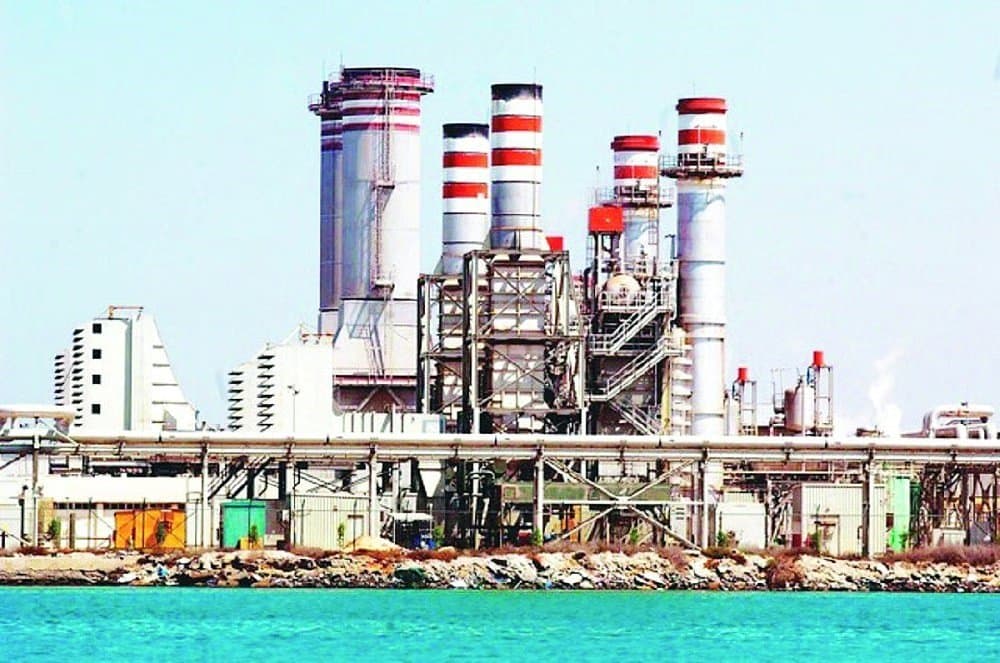
The UAE and Senegal will co-host the 2026 United Nations Water Conference at ADNEC Centre Abu Dhabi from December 8 to 10. The UAE has listed mobilising investment and bringing in more private-sector and youth participation among its main priorities for the meeting, Gulf News reported.
The conference aims to speed progress towards Sustainable Development Goal 6, which covers water and sanitation for all. The gap is large. In 2024 about 2.1 billion people lacked safely managed drinking water and 3.4 billion lacked safely managed sanitation, according to estimates from the World Health Organisation and UNICEF.
Alongside the conference's six interactive dialogues, the UAE will run the Al Waha Programme, which brings together innovators, financiers and policymakers to look at how new water solutions can be put into use and paid for. The Mohammed bin Zayed Water Initiative plans to launch its Water Lab platform during the conference, showing more than 50 innovations and connecting their developers with investors and partners. With the XPRIZE Foundation, the initiative is also backing a global competition with a total prize purse of $119 million for more affordable and sustainable desalination technology. The competition has reached the semi-final stage.
The UAE goes into the meeting with its own targets under the UAE Water Security Strategy 2036: cutting total water demand by 21 per cent, raising the reuse rate of treated water to 95 per cent and making supplies more resilient in emergencies. The strategy aims for storage equal to two days of demand at normal supply rates, 16 days on emergency allocations and more than 45 days under extreme emergency allocations. A separate National Programme for Energy and Water Demand Management aims to reduce water demand by 50 per cent by 2050 against a business-as-usual scenario, focusing on buildings and agriculture.
Dubai is also adding supply. This month, the Dubai Electricity and Water Authority (DEWA) and ACWA signed two agreements worth a combined Dh1.76 billion to develop Phase Two of the seawater desalination project at the Hassyan complex. Once complete, it will add about 272,000 cubic metres a day using reverse osmosis. DEWA recorded water losses of 4.4 per cent across its distribution network in 2025.
In Abu Dhabi, the Executive Council reviewed progress this month on the emirate's Integrated Water Strategy. Launched in November 2025, it aims to diversify supply, develop distribution networks, improve efficiency and ease pressure on groundwater. Recycled water now supports more than 1,600 farms in the emirate, according to figures the Environment Agency, Abu Dhabi presented in September.
Storage is the other part of the plan. The Al Khair Water Storage Project in Liwa, in the Al Dhafra Region, has capacity for 26 million cubic metres of freshwater, storing desalinated water in underground aquifers for retrieval when needed. Dubai's Aquifer Storage and Recovery Project is designed to hold six billion gallons and to deliver 50 million gallons a day for up to 90 days in an emergency. In Ras Al Khaimah, Etihad Water and Electricity's Al Khurairijah Centre has nine reservoirs holding 180 million gallons. The Sharjah Electricity, Water and Gas Authority said in August that two new reservoirs in Khorfakkan, with a combined four million gallons, were expected to enter service by the end of the year.
By
Nakoda News Gulf Desk
Business, technology and policy across the UAE, Saudi Arabia and the wider Gulf.
Related coverage
- Business
Kuwait's Wren House to Buy GIC's 80% of Equinix's European xScale Venture
7 hours ago · 2 min read
Business PIF Shelves Nearly $1 Billion Nupco IPO Over Internal Matters, Semafor Reports
8 hours ago · 1 min read
- Business

Houthis Threaten Jeddah and Every Saudi Red Sea Port Over Claimed Strike on Ras Isa
8 hours ago · 2 min read
- Business
Etihad Cancels Riyadh, Dammam Flights Until December 31 as UAE Carriers Cut Saudi Routes
10 hours ago · 2 min read
- Business

Dubai International Chamber Courts 30 Chinese Tech Firms in Beijing, No Deals Announced
10 hours ago · 1 min read