Georgia Residents Sue OpenAI Over Secrecy Around $20 Billion Project Camellia Data Centre
The suit is the first of three over the Effingham County campus to name OpenAI as a defendant, and accuses it and local officials of fraud and racketeering.
By Nakoda News Desk
·3 min read
Prefer Nakoda News on Google
Three residents of Effingham County, Georgia, have sued OpenAI, its development affiliate and a group of county officials, alleging they conspired to keep the company's planned Project Camellia data centre campus hidden from the public until it was too late to object. The complaint was filed on November 6 in Effingham County State Court, WTOC reported.
Two earlier lawsuits over the project left OpenAI out. A September zoning case named only the county, and a suit brought the same month by the Southern Environmental Law Center targeted the county's Industrial Development Authority and Octans GA, the OpenAI affiliate developing the site. The new complaint names OpenAI OpCo LLC directly. It also seeks money damages under Georgia's version of the Racketeer Influenced and Corrupt Organizations Act, which allows triple damages, so the potential cost is larger than in a dispute over procedure.
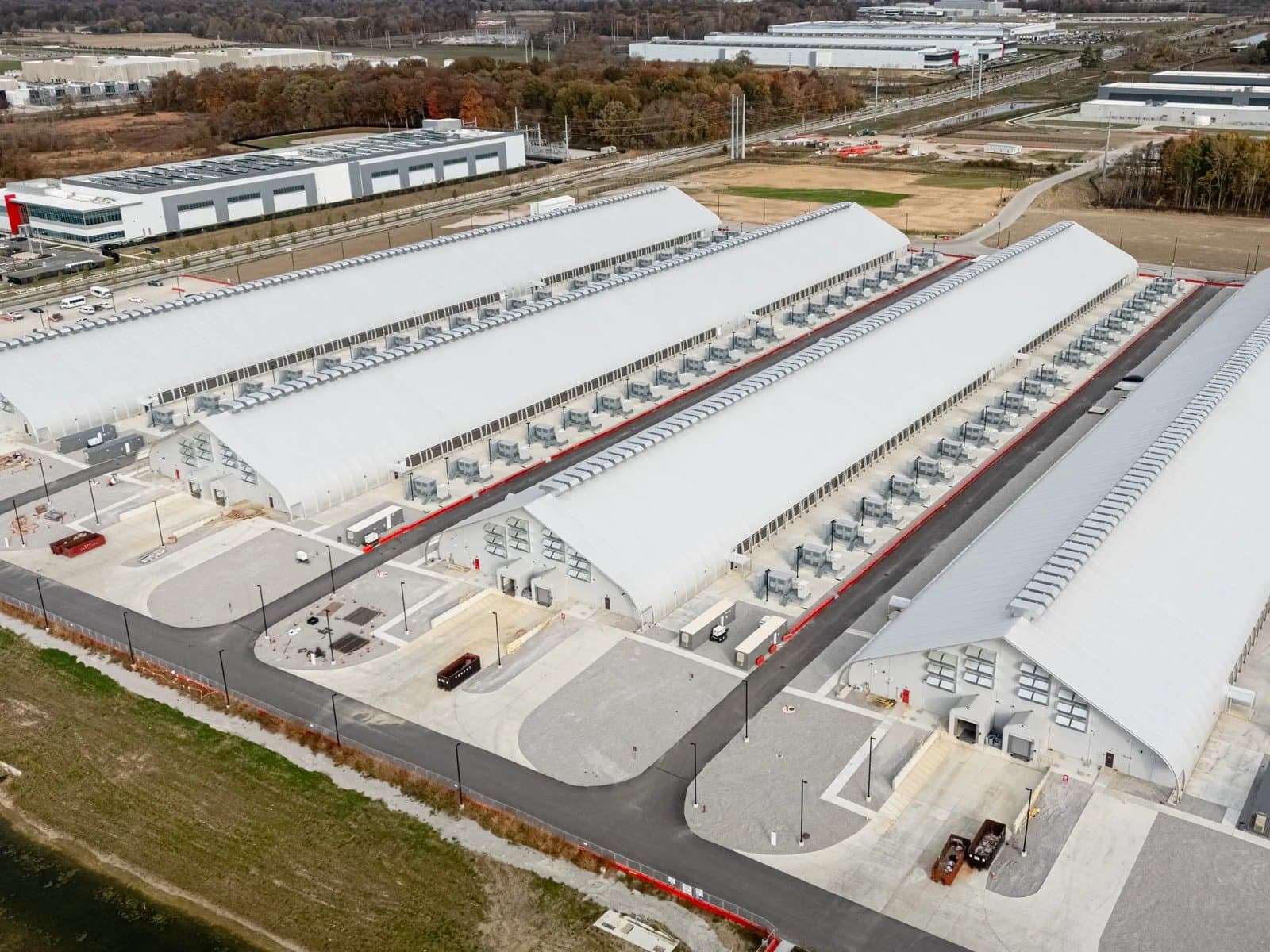
The campus is planned as four buildings with about 4.4 million square feet of space on roughly 1,440 acres in the Savannah Gateway Industrial Hub, at a reported cost of about $20 billion. Inside Climate News has reported that it could draw more than 3 gigawatts at full capacity, about three times the electricity used by the city of Atlanta, and would be built in phases starting in 2028.
The plaintiffs are Dr. Michelle Finch-Mincey, Lehman Mincey Jr. and Raymond Carver, who lives in a neighbourhood next to the site. Carver was also a plaintiff in the September zoning case. Besides OpenAI and Octans GA, the defendants include six county commissioners, county manager Tim Callanan, Authority chief executive Brandt Herndon, the Authority itself and Savannah Industrial Development LLC.
The complaint sets out 11 counts, including fraudulent concealment, fraud and misrepresentation, civil conspiracy, breach of mandatory legal duties and the state RICO claim, according to WTOC's account of the filing. The residents want compensatory and punitive damages, legal fees and a jury trial. WTOC did not report a request to stop construction.
The Paper Trail Alleged in the Complaint
According to the complaint, Herndon signed a nondisclosure agreement with OpenAI on October 27, 2025, and the company later sent similar agreements to other local officials, including the county manager. The Authority's July 21 meeting agenda referred only to "Project Gateway", the suit says, and the board spent more than an hour in closed session before unanimously approving a memorandum of understanding with Octans.
Three days later, on July 24, a deed transferring about 1,440 acres to Octans was signed for a stated consideration of $10, the residents allege. Savannah Industrial Development LLC signed for the Authority under a power of attorney dating from 2016. On August 4, the complaint says, county commissioners adopted Ordinance 2026-352 as a technical correction without the two public hearings required by county rules and state law, even though it changed what could be built on industrial land, including data centres.
The complaint quotes Authority director Eric Johnson as saying: "If we'd have put it out in front of the public, they'd have said 'no data center' based on misinformation." The residents argue the approvals were obtained by keeping the project from them "until the land was committed and their objections could no longer matter."
None of the allegations has been tested in court. WTOC's report did not include responses from OpenAI, the county or the Authority. In the September case, the Southern Environmental Law Center said the Authority had granted a 50% property tax break for 15 years, which that lawsuit estimates could be worth nearly $900 million. That case and the zoning challenge are pending in state Superior Court.
OpenAI has said Georgia Power customers will not see higher electricity rates because it will pay for the infrastructure, that the campus will use a closed-loop water system and that it will provide $80 million in community benefits. The county has not yet given final approval to the site development plan, and the project still needs further reviews, permits and inspections before construction can begin.
Sources
- WTOC · Effingham County residents sue OpenAI, county officials over Project Camellia data center
- Inside Climate News · Georgia Residents Sue Over OpenAI Data Center
Produced with AI assistance from the sources above. How we work
By
Nakoda News Desk
Nakoda News covers AI and business. Every story links the sources it draws on; how we work is set out in our editorial standards.
Related coverage
Policy House Republican Chair Threatens to Subpoena Nvidia's Huang Over Alleged Spy Ties
6 hours ago · 3 min read
- Policy
US Senate Advances Permitting Bill That Would Make Data Centres Pay for Grid Costs
8 hours ago · 2 min read
- Policy

New York Opens State AI Safety Center to Test Frontier Models Independently
8 hours ago · 2 min read
Policy UAE Cyber Chief Calls for Gulf Cybersecurity Union After Iran War Cyberattacks
8 hours ago · 2 min read
- Policy
Ajman Sets Up First Local Government Accelerators Centre, Starting With an AI Programme
8 hours ago · 1 min read