85% of UAE Workers Use AI at Work, but Two-Thirds Fear for Their Jobs, Survey Finds
Oliver Wyman's research shows UAE staff adopting AI faster than workers in North America and Europe, while few say their employers have explained what the technology means for their roles.
By Nakoda News Desk
·3 min read
Prefer Nakoda News on Google
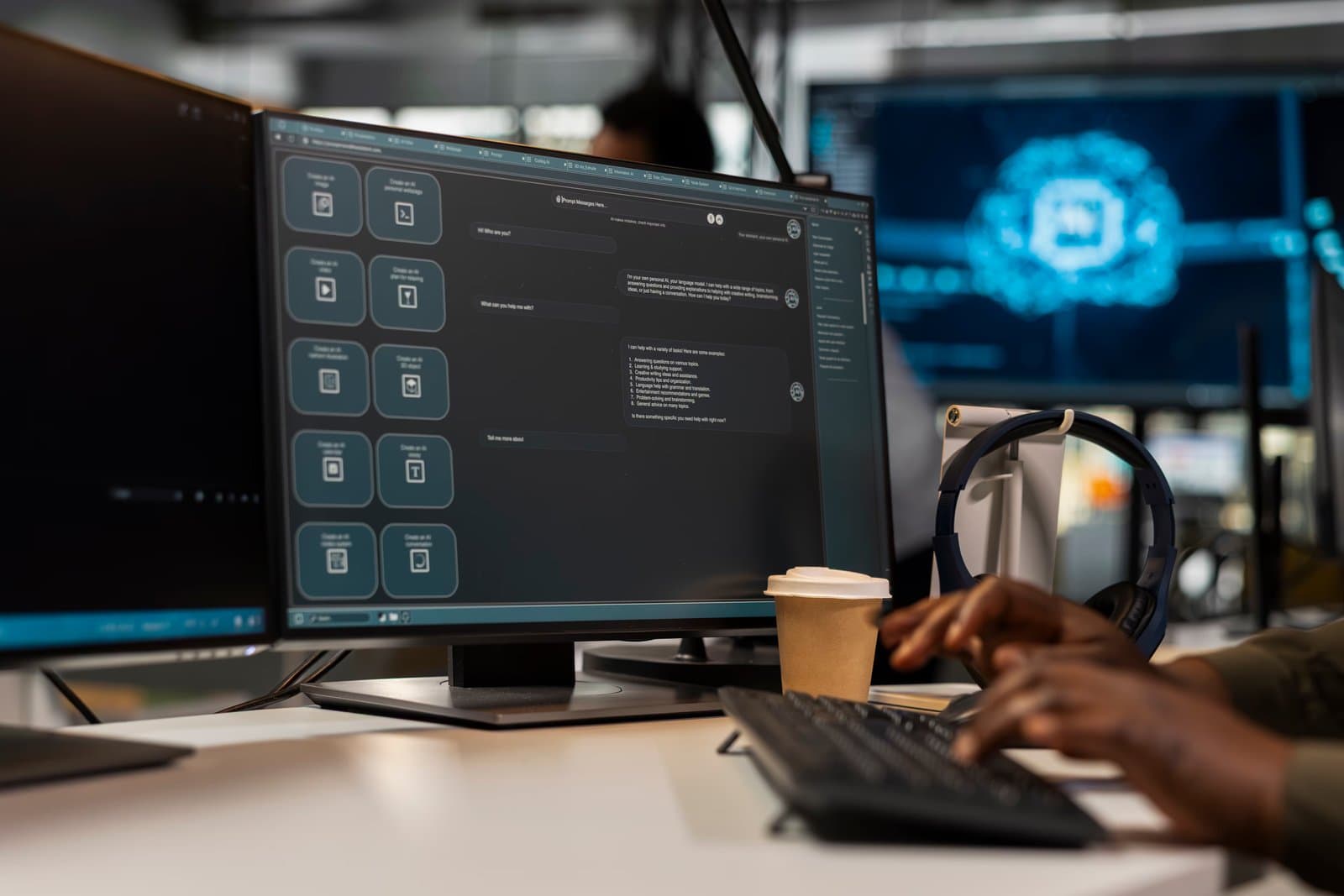
Eighty-five per cent of employees in the UAE use artificial intelligence at work, but 67 per cent worry it could cost them their jobs, according to new research from the management consultancy Oliver Wyman.
The usage rate is well ahead of the 72 per cent the firm recorded in North America and the 66 per cent in Europe. The findings point to a gap that matters for any UAE employer rolling out AI: staff are adopting the tools quickly, often on their own initiative, while saying they have been told little about how the technology will change their roles.
Only 26 per cent of executives and 6 per cent of front-line employees agreed that their company had set out a clear AI vision and kept staff informed of progress, the report found. Just 29 per cent of non-managerial staff believed their organisation was ready to adopt AI at scale.
"High adoption alone does not resolve concerns about job security," said Mona Hammami, partner and head of the UAE at Oliver Wyman. "Employers should make career progression clearer and explain how AI will affect roles, what skills employees will need, and how they will be supported."
The results are part of 300,000 voices – UAE Edition, which looks at how people in the country approach work, health, money and technology. It draws on 5,285 participants across several survey rounds over five years, plus a separate survey of 503 people carried out in April 2026.
Despite the job fears, 42 per cent of UAE respondents said they would prefer an AI colleague or manager to a human one. Nearly half of UAE employees use AI every day, against 21 per cent in the international sample, and more than 60 per cent use it at least three times a week. Respondents reported higher productivity, and some said the tools had improved their work-life balance. Much of the learning is informal: staff described picking up skills through practice and swapping tips with colleagues, more often without formal guidance from their employer.
Hammami said job insecurity was pushing many workers to become proficient with AI to protect their positions, and that part of the anxiety stemmed from employers not explaining why they were using it. She described fears of widespread job losses as a matter of perception rather than reality, and argued that, as with the industrial revolution and the internet, new jobs would also be created.
The survey also points to dissatisfaction that AI does not address. Three-quarters of UAE employees said they were generally satisfied with their work, compared with 66 per cent internationally, but only a quarter said they found it fulfilling. Just 23 per cent agreed their pay was satisfactory and 26 per cent said they had a good work-life balance.
AI use extends well beyond the office. Eight in 10 UAE respondents said they used AI for health-related purposes, such as finding providers and deciding where to seek care. Those who did were less likely to see a primary care doctor first: 27 per cent did so, against 38 per cent of non-users. They were also more likely to check symptoms online and look for medical information from health influencers.
In personal finance, 64 per cent of lower-income respondents and 65 per cent of higher-income respondents said they used AI to guide investment decisions. The study defines lower-income households as those earning less than Dh100,000 a year and higher-income households as those earning more than Dh300,000. Nearly half of lower-income respondents, 48 per cent, said they invested in the stock market, compared with 28 per cent internationally.
The separate April survey, conducted during a period of regional uncertainty, found that 17 per cent of respondents reported a decline in mental well-being, with Gen Z respondents showing the greatest strain. Most remained optimistic about their finances: 62 per cent felt positive about their ability to afford everyday purchases, 60 per cent about finding work if needed and 59 per cent about improving their personal finances.
Sources
- The National · AI used by 85 per cent of UAE workers but they worry it will take their jobs
- Zawya · 85% of UAE employees use AI at work, while 67% worry about AI-related job losses, new Oliver Wyman Forum research reveals
Produced with AI assistance from the sources above. How we work
By
Nakoda News Desk
Nakoda News covers AI and business. Every story links the sources it draws on; how we work is set out in our editorial standards.
Related coverage
AI Researcher Says Anthropic Left Claude Dispatch Flaw Unfixed Despite Remote Code Risk
3 hours ago · 3 min read
- AI
Moonshot AI Sought Nvidia Blackwell Capacity in European Data Centres, CNBC Says
3 hours ago · 3 min read
AI Visa Study Finds 72% of UAE Shoppers Used AI on Their Latest Purchase
3 hours ago · 2 min read
AI Presight Signs Deal With US Firm Quartermaster to Build AI Maritime Surveillance Tools
4 hours ago · 2 min read
AI AIQ Adds Rock Flow Dynamics' tNavigator to Genesis and Signs Siemens Energy Pact
6 hours ago · 2 min read