Moonshot AI Sought Nvidia Blackwell Capacity in European Data Centres, CNBC Says
Four people said the Kimi developer discussed renting clusters of 8,000 or more GPUs from neoclouds, which US export rules on remote access do not yet cover.
By Nakoda News Desk
·3 min read
Prefer Nakoda News on Google
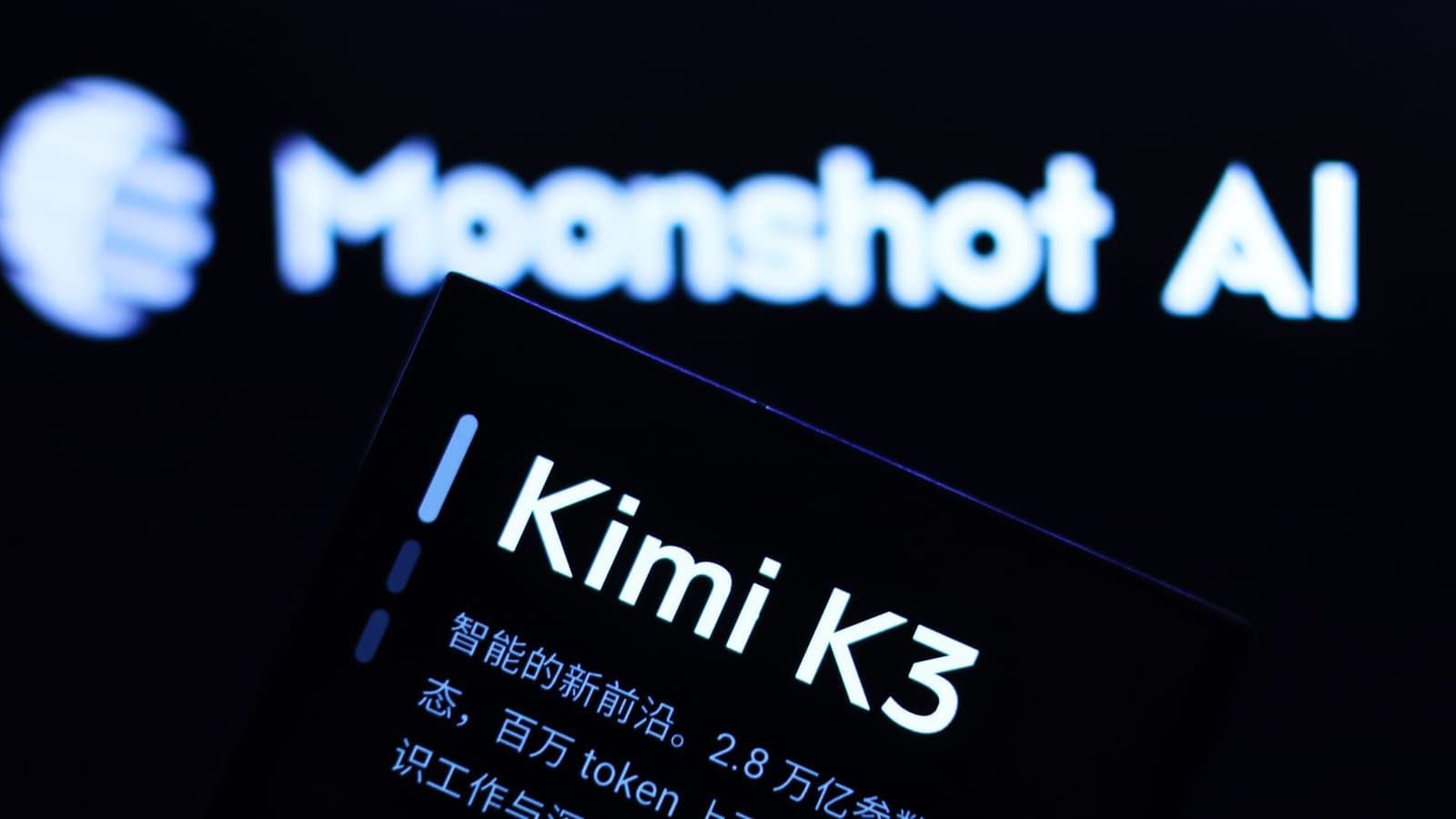
Moonshot AI, the Beijing developer of the Kimi family of models, has held talks this year to rent Nvidia Blackwell computing capacity from neocloud operators in Europe. Four people familiar with the matter told CNBC about the talks. Blackwell chips cannot legally be shipped to China, but US rules do not yet cover renting access to them in another country.
Three of the people said Moonshot wanted capacity built on Blackwell systems, Nvidia's most advanced chips now in volume, which US export controls in effect bar from China. One said the talks covered clusters of 8,000 or more Blackwell GPUs and described the Chinese lab as "very aggressive" in its search for computing power. Two said Moonshot mainly wanted capacity for inference, the work of serving models to users. One said they also knew of interest in training clusters.
The report matters because remote access is the main remaining route by which Chinese developers can use chips they cannot import. According to CNBC, current US law does not give regulators broad authority over access to advanced chips through cloud services hosted abroad. In July the White House said Moonshot had used Blackwell chips through a facility in Thailand. One of CNBC's sources said the European talks had taken place since then. Moonshot did not comment on the Thailand allegation at the time.
Moonshot, Nvidia, the White House, the US Department of Commerce, China's embassy in the UK and China's Ministry of Foreign Affairs did not respond to CNBC's requests for comment.
A Chinese company that wants Nvidia capacity in Europe would usually rent it from a non-Chinese neocloud or data centre operator that can legally buy the chips. In such leases, the customer typically pays an upfront sum equal to a percentage of the contract's lifetime value. One source said Moonshot had been asked to pay 30% to 50% more upfront than a non-Chinese customer would. Those larger upfront payments help neoclouds and their lenders protect themselves in case Washington later bans remote-access deals with Chinese customers.
Moonshot was founded in 2023. In July it released Kimi K3, which it said closed the gap with leading models from Anthropic and OpenAI. The model was widely adopted as a cheaper alternative to US systems. Around the launch, Moonshot paused new subscriptions to keep compute for existing members. "We're adding capacity as fast as we can and will reopen new subscription spots in batches," the company said in a LinkedIn post.
Nvidia is also tightening its own rules. The Financial Times reported on Tuesday that Nvidia had told cloud providers selling access to its chips that at least 51% of their services must go to non-Chinese customers. Asked about the reports this week, an Nvidia spokesperson said: "America cannot win the AI race unless America's AI infrastructure wins worldwide — if the world's clouds rely on foreign-made chips, the model and application layers will be foreign-built as well."
Nvidia sales of the older H200 face limits from both governments. In August, Nvidia said Washington had licensed some H200 sales to China but that "such sales were restricted" by Beijing, which is trying to build up domestic chipmakers.
The proposed Remote Access Security Act would bring cloud-based access to critical hardware and software under US export controls. The House of Representatives passed it in January, but the Senate has not voted on it. Until the bill becomes law, deals like the ones described to CNBC remain outside current export rules.
Sources
- CNBC · Chinese AI lab Moonshot turned to Europe for Nvidia Blackwell access amid U.S. China curbs, sources tell CNBC
Produced with AI assistance from the sources above. How we work
By
Nakoda News Desk
Nakoda News covers AI and business. Every story links the sources it draws on; how we work is set out in our editorial standards.