Tesla Expands Robotaxi Service to San Antonio, Its Latest Texas City
Tesla gave few details about the launch in a city where Waymo also operates, and its fleets outside Austin have so far ranged from a handful of cars to a few dozen.
By Nakoda News Desk
·2 min read
Prefer Nakoda News on Google
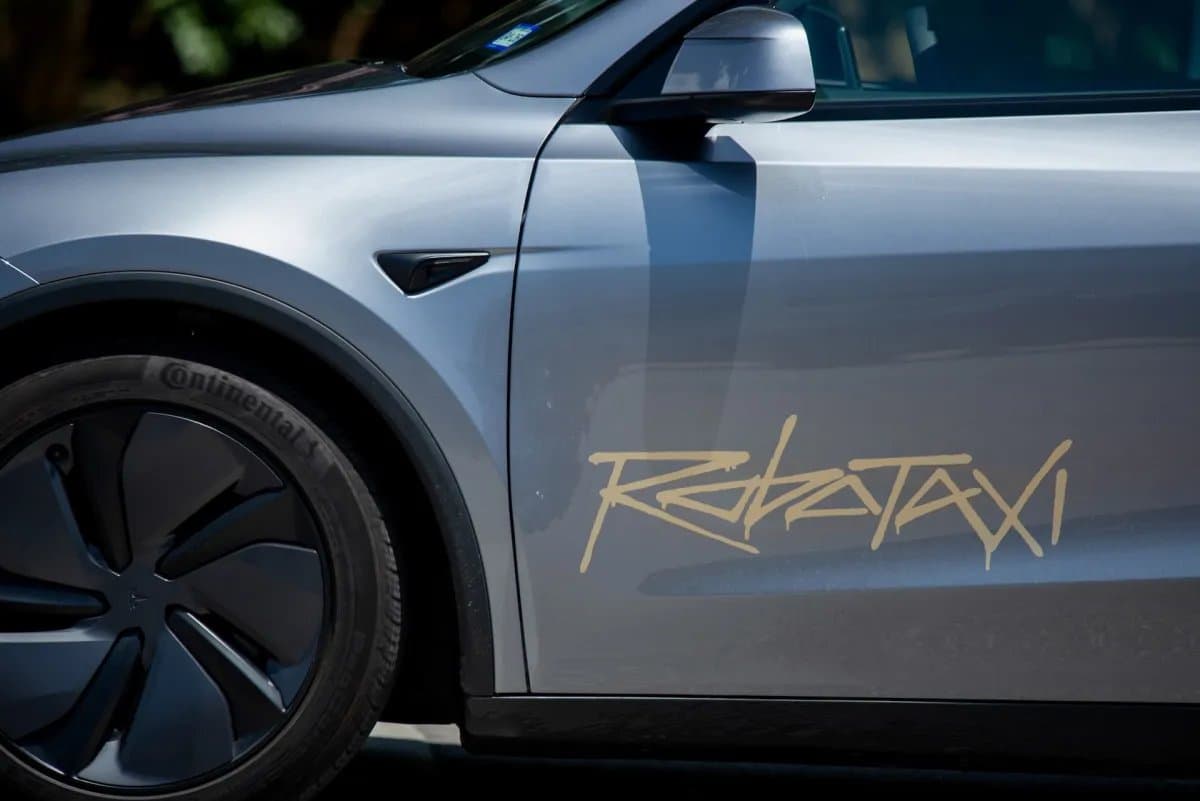
Tesla began offering robotaxi rides in San Antonio on Monday, adding another Texas city to a driverless ride-hailing service it is trying to scale against Alphabet's Waymo.
The company announced the launch in a post on X, saying rides would be available from 5 a.m. local time. It did not say how many vehicles would serve the city, what hours the service would run, whether its two-seat Cybercab would join the modified Model Y cars, or whether safety monitors would ride on board, TechCrunch reported.
The expansion matters to investors because Tesla's valuation rests heavily on autonomy rather than car sales. Chief executive Elon Musk said on the company's January earnings call that he expected robotaxi service in "dozens of major cities" by the end of 2026, according to Yahoo Finance. With San Antonio, the service now covers a handful of cities.
Tesla shares rose about 5% on Monday. Coverage of the move also pointed to a separate announcement: Musk said on Friday that Tesla would wind down Cybertruck production around mid-2027 to make room for more Cybercabs, and wrote on X on Monday that "The Cybertruck order rate far exceeds our production rate" and that the company "will have to return deposits for a lot of people."
Tesla first launched robotaxi rides in Austin in June 2025, with human safety operators on board. In January this year it removed the safety monitors in Austin and has since expanded within that city and into limited areas of Miami, Orlando, Dallas, Fort Worth and Houston, according to TechCrunch. Reports differ on the count: some describe San Antonio as Tesla's seventh robotaxi city and others as its eighth.
The fleets outside Austin remain small. Tesla has more than 400 autonomous vehicles registered in Austin, but its fleets elsewhere have numbered between a handful and a few dozen, according to Texas vehicle registration data and the Robotaxi Tracker website cited by TechCrunch. The tracker shows 24 vehicles in Fort Worth and five in Miami. Data Tesla released this summer showed its robotaxi network drove fewer paid miles in the second quarter than in the first.
Tesla also runs a ride-hailing service in the San Francisco Bay Area under a transportation charter permit, but those cars have a human behind the wheel. The company does not have the permits needed to run driverless ride-hailing in California.
In San Antonio, Tesla meets Waymo head-on. Waymo runs driverless Jaguar I-Pace and Zeekr-built vehicles in Austin, Dallas, Houston and San Antonio, and recently resumed service in San Antonio after a five-month pause that followed incidents in which its cars got stuck after driving into flooded roads.
If Tesla follows the pattern of its earlier launches, the San Antonio service will start with a limited number of cars in a confined area and grow slowly. Musk has said he expects robotaxi revenue to become noticeable by the second quarter of 2027, according to Yahoo Finance, and Tesla's quarterly results will be the first place investors can test that claim.
Sources
- TechCrunch · Tesla expands robotaxi service to San Antonio
- Yahoo Finance · Tesla Soars 5% as Robotaxi Reaches San Antonio and Cybertruck Order Rate "Far Exceeds" Production
- Business Connect India · Tesla Stock Jumps 5.5% As Robotaxi Expands To San Antonio, Its 8th City
Produced with AI assistance from the sources above. How we work
By
Nakoda News Desk
Nakoda News covers AI and business. Every story links the sources it draws on; how we work is set out in our editorial standards.
Related coverage
- Companies
Aramex Third-Quarter Profit Rises to Dh48 Million on Record Dh1.98 Billion Revenue
2 hours ago · 2 min read
- Companies

UAE AI Consultancy Nextgen Named an OpenAI Select Partner
2 hours ago · 1 min read
- Companies
Drone Attack Halts Dana Gas's Khor Mor Field and Cuts Up to 2.8GW of Kurdistan Power
2 hours ago · 2 min read
Companies Nvidia, Rebellions and SK Telecom Plan Mixed GPU-NPU Racks for Korea's Sovereign AI
3 hours ago · 3 min read
- Companies
SoftBank Swings to $7 Billion Quarterly Loss as Tech Sell-Off Weighs on Its Holdings
3 hours ago · 2 min read