Snap Settles and Google Is Sued as Child Safety Cases Reach AI in Schools
Snap settled a teen addiction case on the eve of trial, while parents sued Google over a teenager's alleged crisis after using Gemini through Google Classroom.
By Nakoda News Desk
·3 min read
Prefer Nakoda News on Google
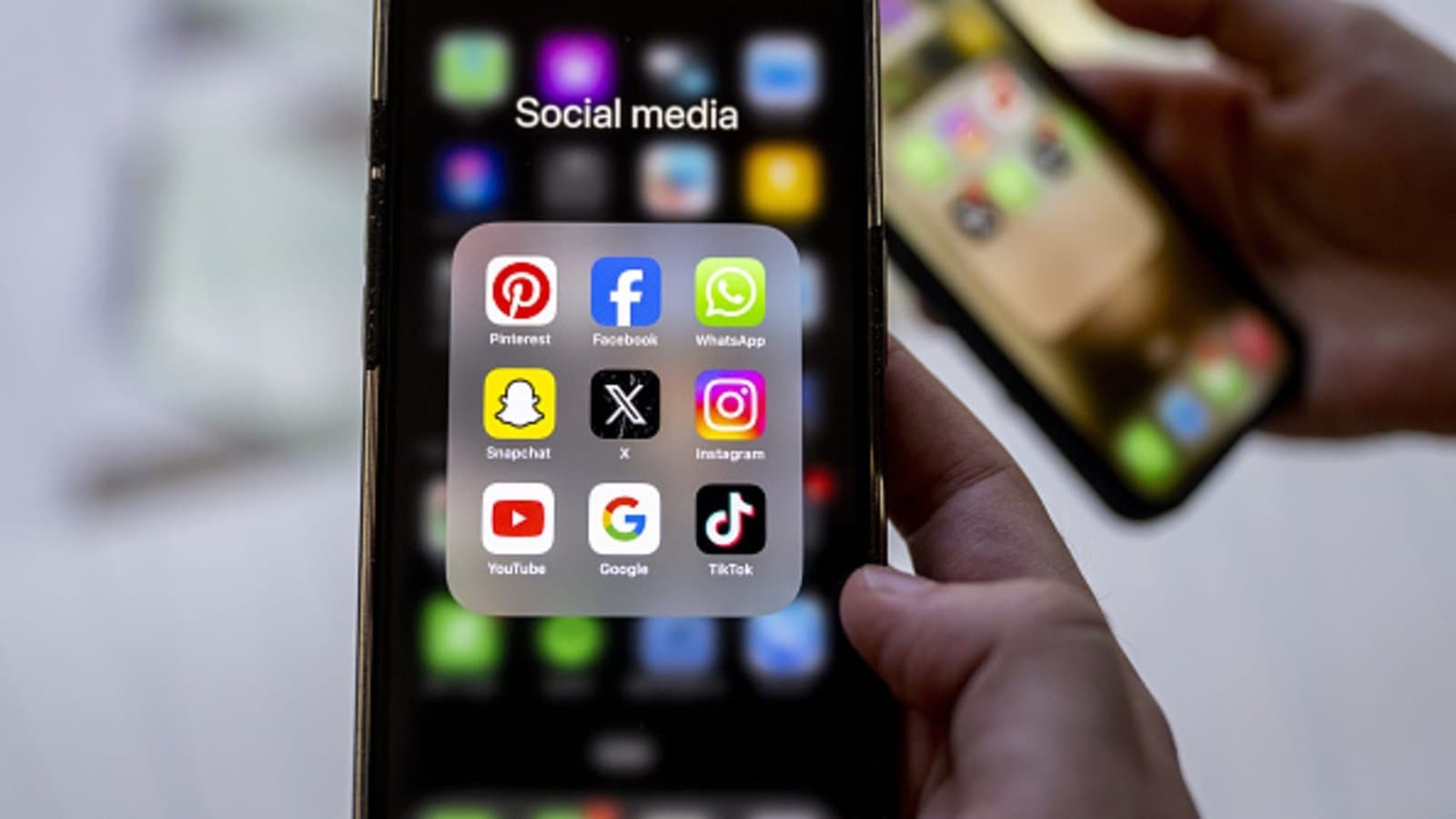
Snap has confidentially settled a Los Angeles lawsuit brought by two teenagers who said its app caused them severe psychological harm. In the same week, Google was sued by parents who said their child suffered a psychological crisis after talking to the Gemini chatbot through Google Classroom. The two cases show that the design-defect arguments used against social media companies are now being turned on AI products in schools.
The Snap settlement was announced on November 2, according to The Next Web, and spared chief executive Evan Spiegel from testifying in court. The plaintiffs, identified by their initials as S.J., a 16-year-old from Illinois, and K.D.B., an 18-year-old from Mississippi, said features such as autoplay and infinite scroll drove compulsive use that led to depression, anxiety and eating disorders. Meta, TikTok and YouTube had already settled with them, leaving Snap as the last defendant. The terms were not disclosed. The companies deny designing their apps to addict young people.
"The parties are pleased to have been able to resolve this matter in an amicable manner," a Snap spokesperson said in a statement to CNBC. The spokesperson added that the company had built safeguards and safety tutorials and remained committed to strengthening safety and privacy.
The case was a bellwether, one of a few chosen from thousands of similar claims to test them before juries. In March a Los Angeles jury found Meta and YouTube negligent in the first such trial and awarded $6 million, a verdict both companies are appealing. Plaintiffs' lawyers say the next bellwether trials are due to start in March. A federal case brought by school districts against Meta, TikTok, Snap and YouTube is also pending, along with suits by state attorneys general.
Reports of Meta's August agreement with the states differ. CNBC put it at nearly $17 billion, while The Next Web said the settlements were worth up to $18 billion, $5 billion of which depends on the states reaching similar deals with Snap, TikTok and YouTube.
Joseph McNally, director of emerging litigation at the law firm McNicholas & McNicholas and a former acting US attorney for the Central District of California, told CNBC that the settlements reflect both legal risk and damage to the companies' reputations. "It's the technology arms race that continues," he said. "What is oftentimes missing is how you balance that participation in the arms race with utility and then product safety."
The new suit against Google targets the company's push into classrooms. According to CNBC, the plaintiffs' lawyers allege that "despite Gemini's known risks, Google hastily integrated" the chatbot into Chromebooks used by schoolchildren. A Google spokesperson said the company was reviewing the claims, took them "very seriously" and had worked with medical professionals and academic experts on features that point young people to support. Separately, The New York Times reported on Tuesday that K-12 schools that do not allow students to use Google's AI tools will lose access to search. Chris Phillips, Google's vice president for education, told the paper that "Search and AI are deeply integrated."
The legal strategy matters for AI companies because Section 230 of the 1996 Communications Decency Act has long shielded platforms from liability for content their users post. Plaintiffs have got around it by attacking product design rather than content. Several lawsuits from state attorneys general and private plaintiffs now make similar arguments about ChatGPT, a risk OpenAI will carry into a possible public listing. Anthropic, which plans to go public this month, flagged the issue in its prospectus even though it bars children from using Claude.
"This is a clear indication that tech companies anticipate more litigation risks than they did a decade ago," Michele Neitz, a law professor at the University of San Francisco, told CNBC. Kate Blocker, director of research and programs at the nonprofit Children and Screens, said the personalised nature of AI chat apps makes it hard to predict what they will say to children, and that products should be tested for developmental safety before release, "not after harms start happening."
The next round of social media bellwether trials in Los Angeles is scheduled for March.
Sources
- CNBC · Tech companies face mounting child safety lawsuits while pushing AI into schools
- The Next Web · Snap settles teen social media addiction case days before trial
Produced with AI assistance from the sources above. How we work
By
Nakoda News Desk
Nakoda News covers AI and business. Every story links the sources it draws on; how we work is set out in our editorial standards.
Related coverage
Policy Meta Shelves Business Terms That Would Have Let It Crawl Sites Linked From Facebook Pages
5 hours ago · 3 min read
- Policy

Rubio Oversaw Classified Memo Warning Officials About Jensen Huang's Spy Links, NYT Says
7 hours ago · 2 min read
Policy Democrats Line Up Investigations of Apple, Meta and Musk Companies After Midterm Win
7 hours ago · 2 min read
- Policy

UK Growth Minister Says Data Centre Build-Out Will Continue Despite US Backlash
7 hours ago · 2 min read
- Policy

Elvis Presley Rights Holders and Eminem's Publisher File New Lawsuits Against Suno
8 hours ago · 3 min read