Siemens Energy Says Middle East Turbine Demand Needs 50% More Capacity in Five Years
The company's regional head says Saudi Arabia reserved turbines early and the UAE and Oman followed, while AI data centres account for only a sliver of demand.
By Nakoda News Desk
·2 min read
Prefer Nakoda News on Google
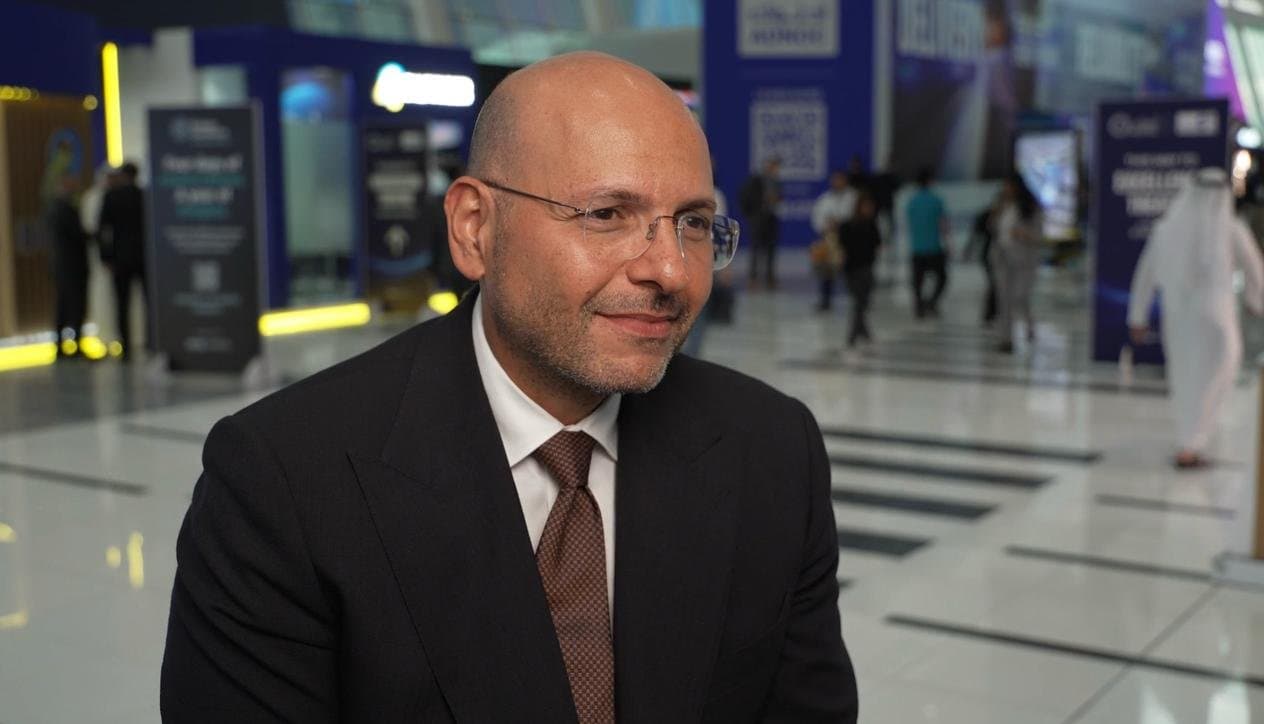
Siemens Energy will have to raise its gas turbine capacity by 50 percent over the next five years to keep up with electrification in the Middle East, the company's regional chief said, as Gulf governments compete for one of the scarcest pieces of equipment in the power industry.
"The gas turbine industry and market is very constrained at the moment," Hussein Shoukry, Siemens Energy's managing director for the Middle East and Africa, told Arab News on the sidelines of ADIPEC in Abu Dhabi. Of the regional push, he said: "we're going to have to increase capacity by 50 percent over the next five years."
The shortage matters for every Gulf state planning new power plants, desalination capacity or data centres, because turbine slots are being handed out in the order they are booked. Shoukry said Saudi Arabia's Ministry of Energy moved first and reserved much of Siemens Energy's turbine capacity early. The UAE, Oman and others in the region have since done the same, he said. "What's important is that customers come to us early," he said.
Siemens Energy's recent Gulf orders show how that works in practice. In June the company was picked to supply turbines for the 2.6-gigawatt Taweelah C combined-cycle plant in Abu Dhabi, the first HL-class gas turbine order in the UAE, according to trade publication Turbomachinery Magazine.
Shoukry played down the role of artificial intelligence in the squeeze, even though data centre developers are bidding for the same machines. He put AI's share of global capacity at about 1 percent, with the rest going to utilities and industry. "We definitely don't want to lose focus on our utility customers who are providing critical infrastructure for society," he said.
The regional conflict has forced Siemens Energy to reroute equipment to reach its sites, but Shoukry said no project has been delayed by the crisis so far. That record will be tested while shipping through the Strait of Hormuz remains disrupted and talks between Iran and the United States remain unresolved.
He also pointed to reconstruction work as a growing source of orders. Shoukry said Syria has lost almost 70 percent of its generation capacity and grid infrastructure to the civil war. Siemens Energy has signed a memorandum of understanding with Syria's energy minister covering new turbines and grid infrastructure, and has a reservation agreement for several units. He said Syria's financial system, government stability and regulation still need work. "Step by step, we have a decade to recover," he said.
Iraq is further along. Shoukry said Siemens Energy has 12 gigawatts installed there and plans another 14 gigawatts under a memorandum of understanding signed in Berlin in September with Iraq's new prime minister.
The company has not given a timetable or investment figure for the 50 percent expansion Shoukry described. Until new capacity arrives, regional buyers that have not reserved turbines face longer waits.
Sources
- Arab News · Siemens Energy: Middle East power push straining gas turbine supply
- Turbomachinery Magazine · Siemens Energy HL-class gas turbine UAE Taweelah C contract
Produced with AI assistance from the sources above. How we work
By
Nakoda News Desk
Nakoda News covers AI and business. Every story links the sources it draws on; how we work is set out in our editorial standards.
Related coverage
- Business
Gulf States Sign Agreement to Advance 2,100km Railway Linking All Six GCC Members
15 hours ago · 2 min read
Business Abu Dhabi's Modon Signs Dh13.7 Billion Loan, Its Largest Financing to Date
18 hours ago · 2 min read
- Business

ADGM Court Finds BR Shetty and Ex-CEO Liable for Fraud That Sank NMC Health
18 hours ago · 3 min read
Business Dubai Opens 1,650-Metre Al Khaleej Street Tunnel in Deira, Linking Infinity Bridge Traffic
19 hours ago · 2 min read
Business Emirati Women Hold 57% of Emirati IT Jobs in UAE Private Sector, Ministry Report Shows
19 hours ago · 2 min read