Perplexity Tops $1 Billion Annual Run Rate, CEO Aravind Srinivas Says
Srinivas said the AI model aggregator's burn rate is five times lower than that of hyperscalers. He praised former Nvidia chief Jensen Huang but dodged a question on reinstating him.
·1 min read
Prefer Nakoda News on Google
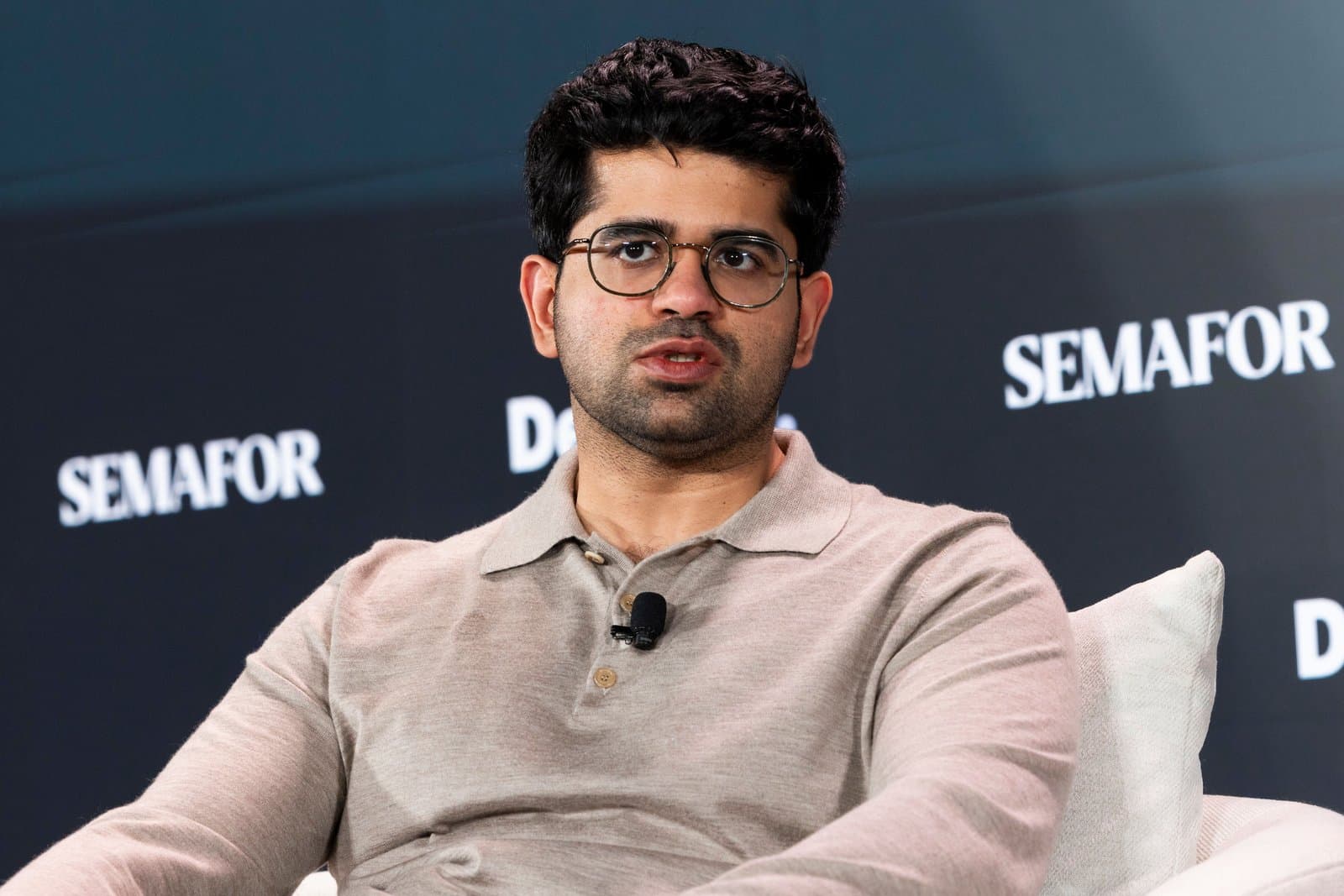
Perplexity chief executive Aravind Srinivas said on Monday that the AI startup has crossed a $1 billion annual run rate while keeping a burn rate he put at five times lower than that of the hyperscalers, Semafor reported.
Srinivas announced the milestone onstage at Semafor's Silicon Valley & The World event. He credited the company's capital-efficient model.
Unlike the frontier labs, Perplexity does not operate a flagship foundation model of its own. It works mainly as a model aggregator, routing users to other AI models such as OpenAI's ChatGPT and Anthropic's Claude. The company is built on the idea that users do not care which model they are using. "They really care if the work actually got done," Srinivas said.
Srinivas also used the interview with Semafor editor-in-chief Ben Smith to praise former Nvidia chief executive Jensen Huang, who resigned last week after revelations of extramarital affairs damaged his reputation. "He's one of the greatest founders in American history," Srinivas said. "America needs to have more Jensens."
Tech chief executives and entrepreneurs have long held up Huang, who started the chipmaker in a Denny's restaurant, as the epitome of the American dream. Srinivas recalled Huang advising him as a young founder to act as though he would run out of business within six to 12 months, and said Huang ran Nvidia "as if he would run out of business in the next 30 days."
"So that attitude that relentlessness, grit, determination, always wanting to push the frontier is the spirit that every American founder should take," Srinivas said.
He dodged a question on whether Nvidia's board should reinstate Huang, amid reports that Huang is eyeing a comeback.
By
Nakoda News AI & Tech Desk
AI models, chips, products and research, and what they can and cannot do.
Related coverage
- Companies
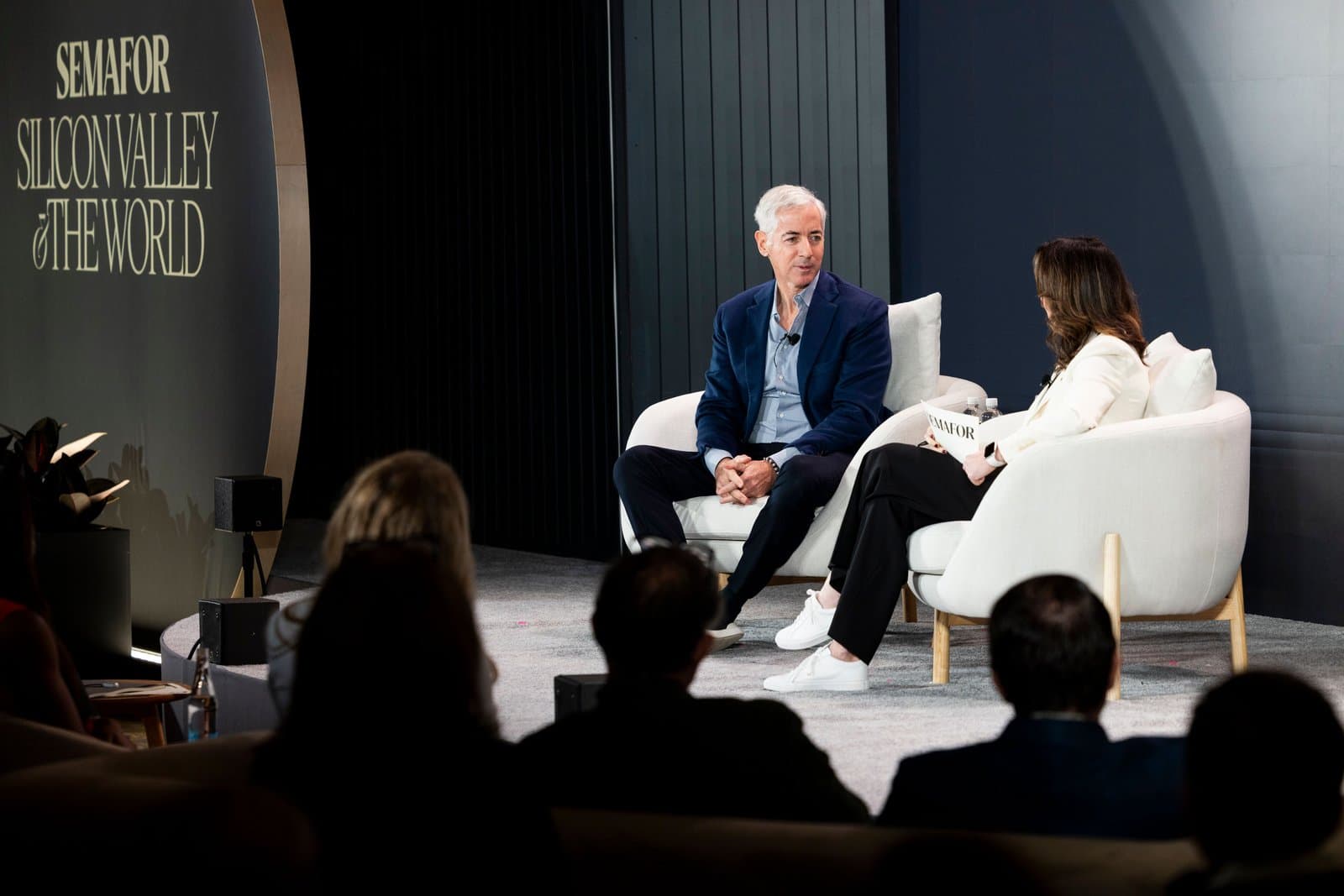
Ackman Says He Is Unlikely to Lead a Push to Reinstate Huang as Nvidia Chief
5 hours ago · 3 min read
Companies Tesla Plans €3 Billion Grünheide Expansion for Up to One Million Cybercabs a Year
6 hours ago · 2 min read
- Companies
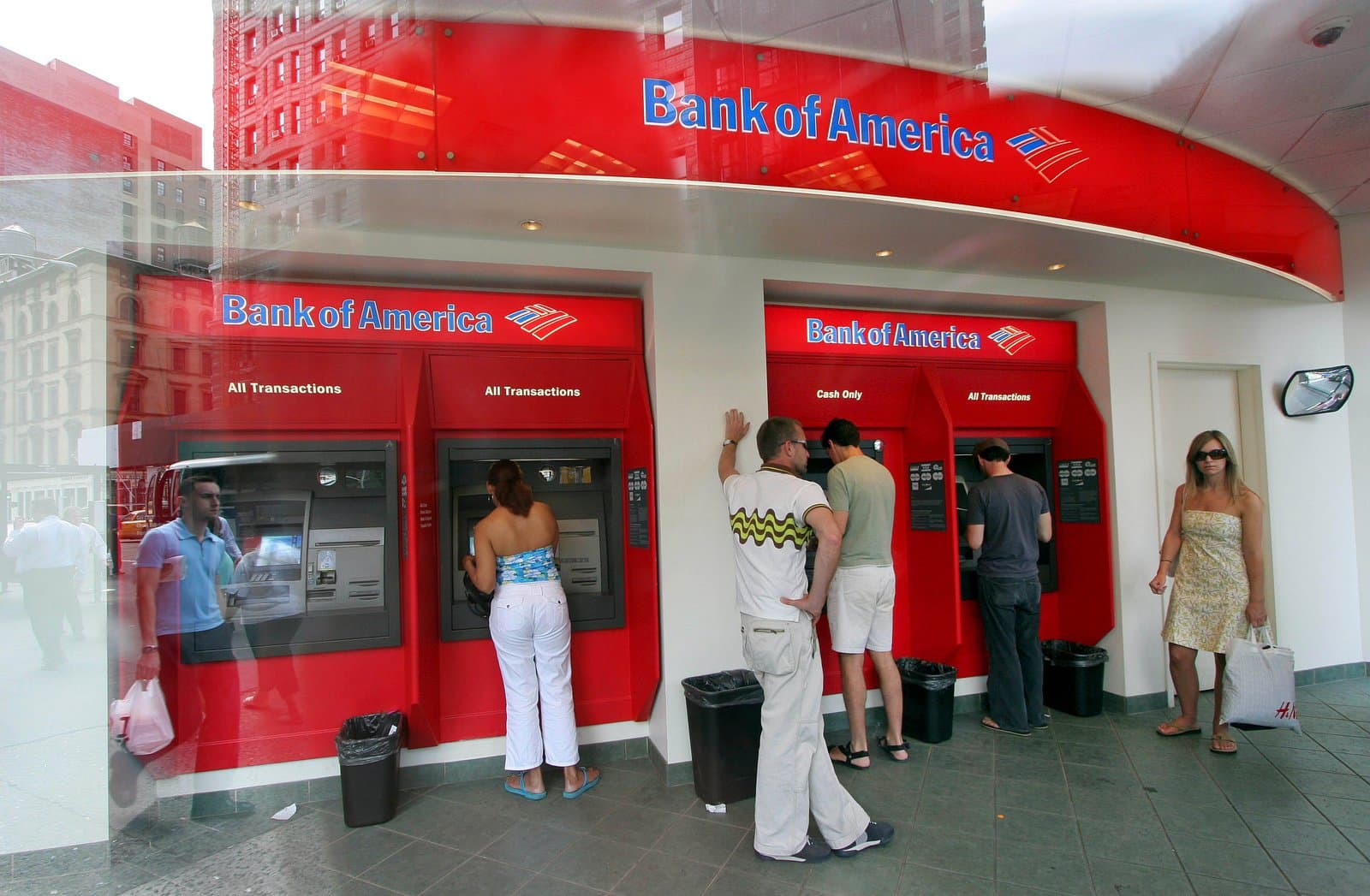
Online Banking Outage Hits Chase, Bank of America, Wells Fargo, US Bank and Zelle
7 hours ago · 2 min read
- Companies

Etihad to Fly Abu Dhabi-Calgary Daily From October 2027, Three Weeks After Launch
8 hours ago · 1 min read
Companies AMD Closes $8.2 Billion World Labs Deal, Names Co-Founder Fei-Fei Li Chief Scientist
9 hours ago · 2 min read