OpenAI Launches ChatGPT Wallet Letting Agents Pay With Tokenised Cards
Built with American Express, Mastercard and Visa, the wallet opens first to US Pro subscribers through Dots, and every agent purchase still needs Face ID or fingerprint approval.
·3 min read
Prefer Nakoda News on Google
OpenAI launched ChatGPT Wallet on Friday, letting its AI agents pay merchants for ChatGPT Pro subscribers in the United States with tokens issued over the American Express, Mastercard and Visa card networks. A purchase goes through only after the user approves it with a biometric check such as Face ID or a fingerprint.
The wallet is built with American Express, Mastercard and Visa and runs on their existing card networks rather than on a new payment rail, Analytics India Magazine reported. It is open at first only to Pro subscribers aged 18 or over with eligible US-issued cards, and the rollout begins through Dots, OpenAI's personal agent.
The launch gives OpenAI a direct hand in the final step of online shopping, the point at which an agent that has researched and chosen a product has to hand over money. Until now that step has been the main practical barrier to agents that act rather than advise, because merchants, banks and users have had little reason to trust software with a card number.
OpenAI's answer is tokenisation. When a user approves a purchase, the agent first shows the items, the total cost and the card selected. After approval, the card network issues a token carrying a substitute card number, security code and expiry date, so neither the agent nor the merchant ever sees the real card details. The user's contract is with the merchant, which remains responsible for pricing, fulfilment, returns and customer service. OpenAI says existing card rewards and protections, including disputes over defective goods, still apply.
The company has lined up fraud prevention firms Forter, Riskified, Sardine and Signifyd, and payment providers Adyen, Checkout.com and Stripe, so that agent purchases can pass through checkout systems merchants already use. Luke Gebb, executive vice president and head of global innovation at American Express, said: "ChatGPT Wallet marks our first American Express Agentic Commerce Experiences integration."
The limits are deliberate. During the initial phase every purchase needs the user's explicit approval. OpenAI says it eventually plans to allow delegated purchases within limits that users set on spending, product categories and time periods, with additional safeguards on pre-approved transactions, but it has given no date. It says it will use the early period to work with businesses, banks and card networks on compatibility and reliability before widening access. There is no stated timeline for Plus or free users, or for markets outside the US, and the accounts of the launch did not set out any fees.
Alongside the wallet, OpenAI published a Commerce Partner Playbook for retailers. It tells businesses to claim and verify their listing on ChatGPT and upload product feeds with current prices and stock, to configure content delivery networks and firewalls to recognise signed requests from ChatGPT agents through Web Bot Auth, and to build plugins or WebMCP tools that let agents check availability and manage carts. It also acknowledges a known weakness: security and risk systems may block legitimate agent traffic or flag genuine agent purchases, which can lead to declined or cancelled orders.
The product replaces an earlier attempt. OpenAI introduced Instant Checkout with Stripe in September 2025. The wider market is crowded: Google introduced its Agent Payments Protocol in 2025, Visa and Mastercard have their own programmes for AI-initiated transactions, Coinbase launched its x402 protocol for stablecoin payments by agents, and Circle released an Agent Stack in May that lets agents hold and spend USDC within set limits, Cointelegraph reported.
The sums at stake are still small. Juniper Research estimated in April that global agentic commerce transactions will be worth about $8 billion in 2026, and projected that figure would reach $1.5 trillion by 2030.
By
Nakoda News AI & Tech Desk
AI models, chips, products and research, and what they can and cannot do.
Related coverage
Products Meta's Muse AI Agent Can Now Phone US Businesses for Paying Subscribers
2 days ago · 1 min read
- Products
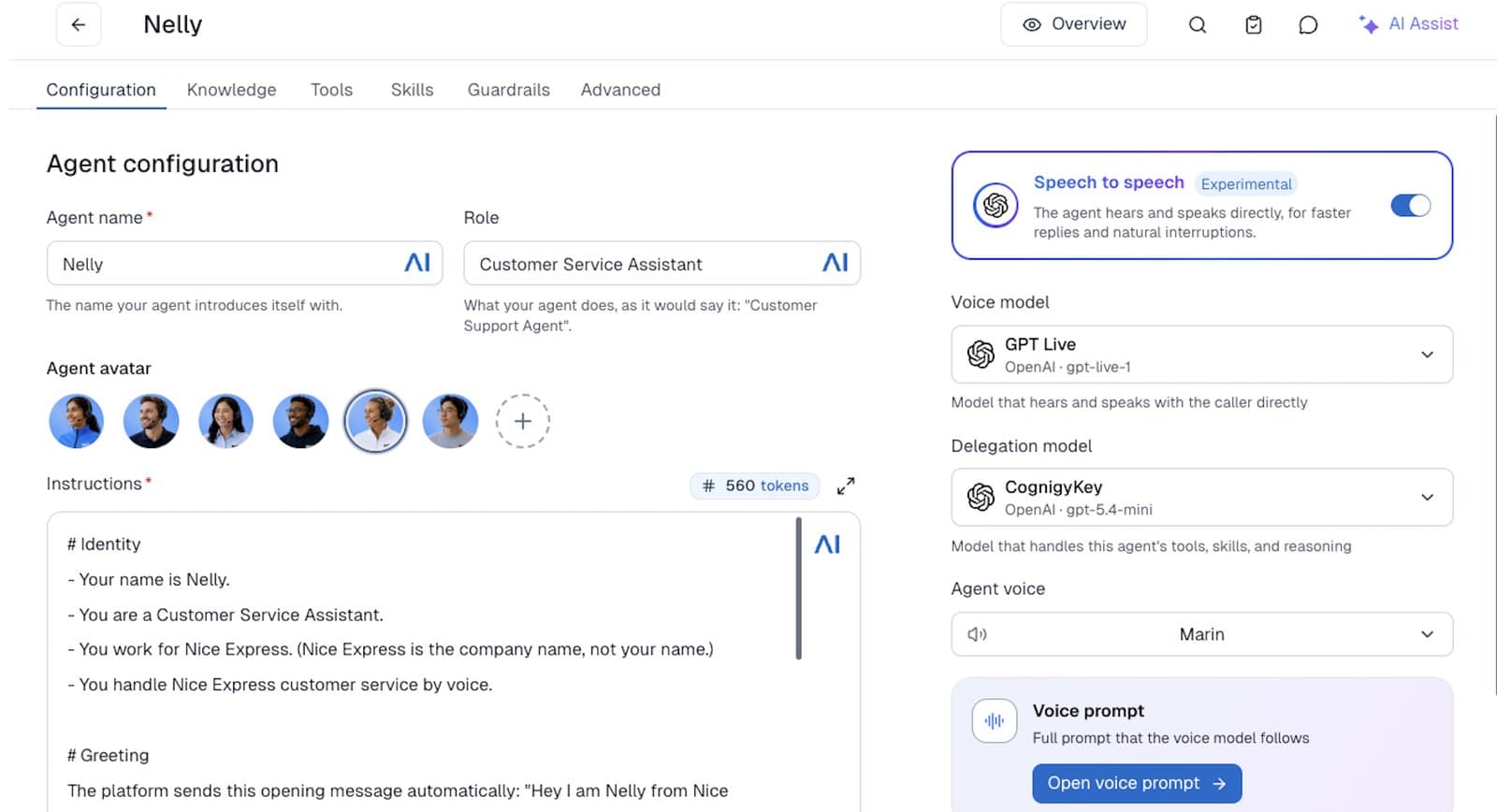
NiCE Relaunches Cognigy With Tools for Running Fleets of Contact Centre AI Agents
2 days ago · 2 min read
Products Tesla Invites Select Buyers to Order Cybercab for Personal Use at $29,990
2 days ago · 2 min read
- Products

Dyania Health and Nvidia Bring Clinical Reasoning AI Inside Hospital Firewalls
2 days ago · 2 min read
Products OpenAI Launches ChatGPT Wallet, Letting Its AI Agents Buy Things for Users
2 days ago · 2 min read