Moody's Sees UAE Rebounding 8.2% in 2027 From 0.6% Contraction
The forecast sits between the IMF's 7.7 per cent and the UAE central bank's 10.4 per cent, while Moody's warns Gulf bank asset quality is likely to deteriorate in 2027.
·2 min read
Prefer Nakoda News on Google
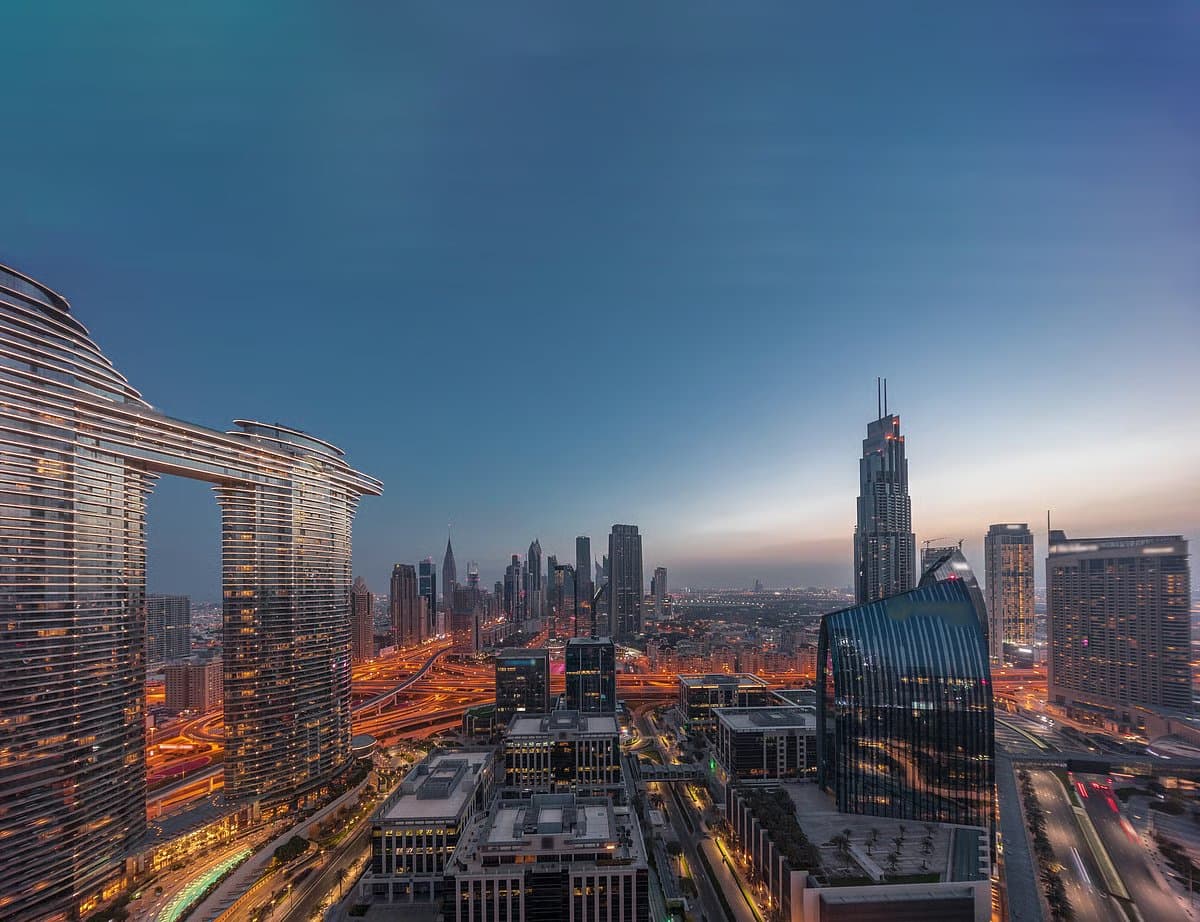
Moody's Ratings forecasts UAE growth of 8.2 per cent in 2027, after a projected 0.6 per cent contraction in 2026. That would be the fastest pace among the largest emerging markets it tracks in the Middle East and Africa, according to its 2027 Outlook for Emerging Markets, Khaleej Times reported. Details were first published by khaleejtimes.com.
The war between the US, Israel and Iran, which broke out on February 28, has weighed on regional growth this year. Moody's estimate falls within a wide range of projections for the UAE's recovery. The International Monetary Fund projects 7.7 per cent growth in 2027 after a 3.9 per cent contraction this year. The World Bank said last month it expects 9.5 per cent growth next year after a 1.6 per cent contraction. The Central Bank of the UAE is the most optimistic, having raised its 2027 forecast to 10.4 per cent from 9.8 per cent, citing higher oil production and resilient non-oil activity.
Moody's sees UAE growth easing to 4.4 per cent in 2028. It forecasts inflation of 4.8 per cent this year, rising to 5.8 per cent in 2027 before cooling to 3.3 per cent in 2028. The economy grew 6.2 per cent in 2025, and Moody's rates the sovereign Aa2 with a stable outlook.
The agency is less upbeat about Saudi Arabia, which it rates Aa3 with a stable outlook. It expects the kingdom's economy to shrink 2.8 per cent in 2026, grow 5.1 per cent in 2027 and accelerate to 6 per cent in 2028, with inflation of 2.1 per cent, 1.9 per cent and 2.2 per cent across the three years. The IMF is more optimistic. It expects Saudi Arabia, which grew 4.6 per cent in 2025, to expand 7.9 per cent in 2027.
Gulf lenders are the weak spot in the report. "In the Gulf, asset quality is likely to deteriorate in 2027," Moody's wrote, pointing to an operating environment weakened by the conflict and associated disruptions. That contrasts with the wider emerging-market picture, where it expects bank balance sheets to keep improving.
Across the largest emerging economies, Moody's forecasts average growth of 4.0 per cent in 2027, up from 3.7 per cent in 2026. Its stable outlook for the group rests on governments' efforts to contain debt, strong demand for metals used in data centres and electrification, and the reorganisation of global supply chains. The agency said those economies could see some upside to growth if the Middle East conflict eases.
It assumes oil will average about $90 a barrel in 2027. Prolonged trade disruption through the Strait of Hormuz, a stronger US dollar or higher US interest rates could constrain liquidity and raise borrowing costs across emerging markets, it said. Energy-dependent economies such as Türkiye, Egypt and Pakistan will face higher prices and tighter supply.
Others are also calling for a sharp recovery. S&P Global Ratings has predicted a V-shaped rebound for Dubai in 2027 after the emirate's economy shrank this year, and Minister of Economy and Tourism Abdulla Bin Touq Al Marri has said 2027 will be a "counter-attack year" for the UAE economy.
By
Nakoda News Gulf Desk
Business, technology and policy across the UAE, Saudi Arabia and the wider Gulf.
Related coverage
- Business
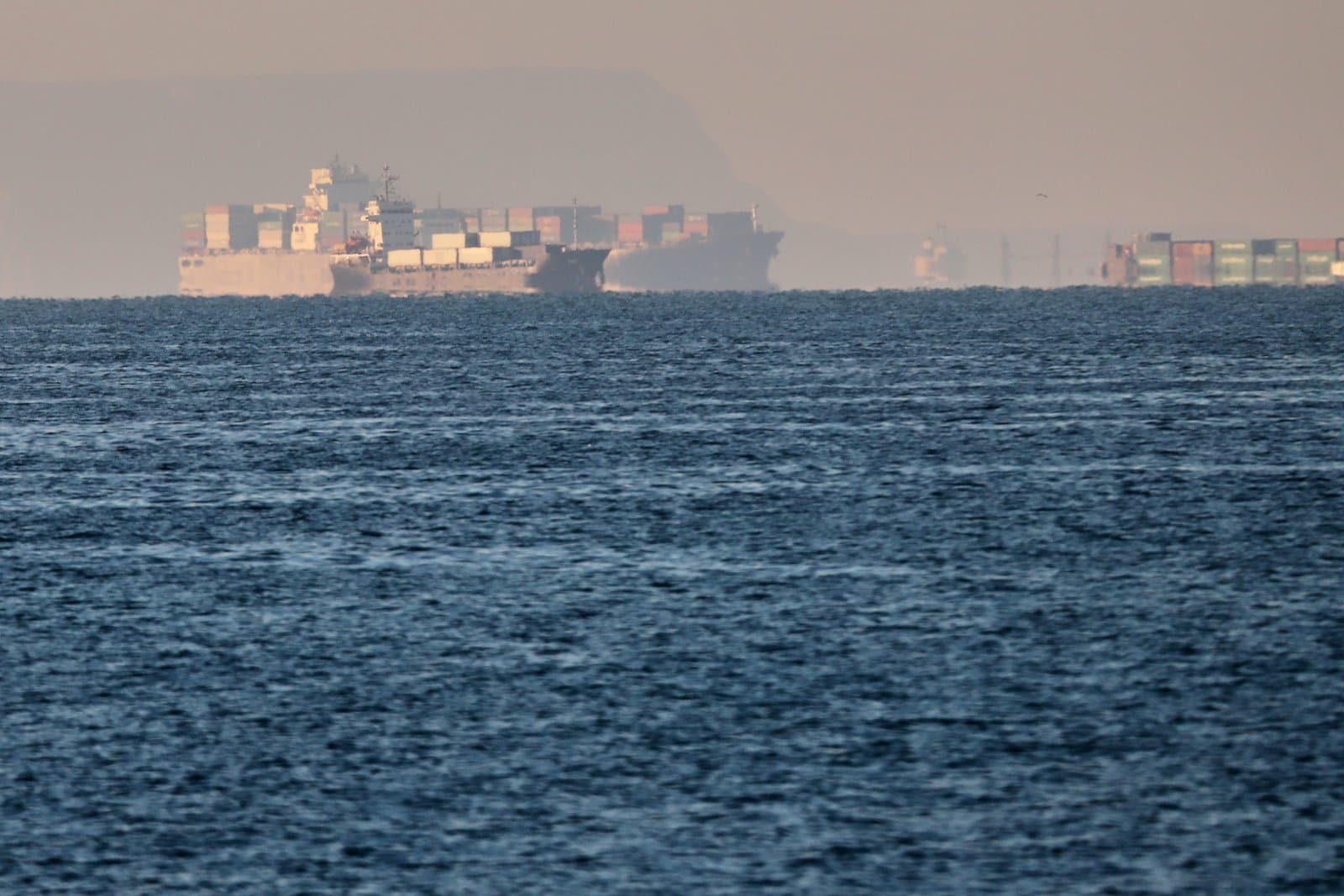
Iran's IRGC Says Two Tankers Hit Mines and Caught Fire South of Strait of Hormuz
5 hours ago · 2 min read
Business UAE Population Hits 12.06 Million in 2025, Up 7% From 11.3 Million, FCSC Says
6 hours ago · 1 min read
Business Keeta Drone to Debut M-Drone 4L at Dubai Future Week; Meta, Uber Among Eight Partners
7 hours ago · 2 min read
- Business
Fitch Affirms UAE at AA-, Sees 0.5% Growth in 2026 and Expects Emirates to Bear War Costs
10 hours ago · 2 min read
- Business
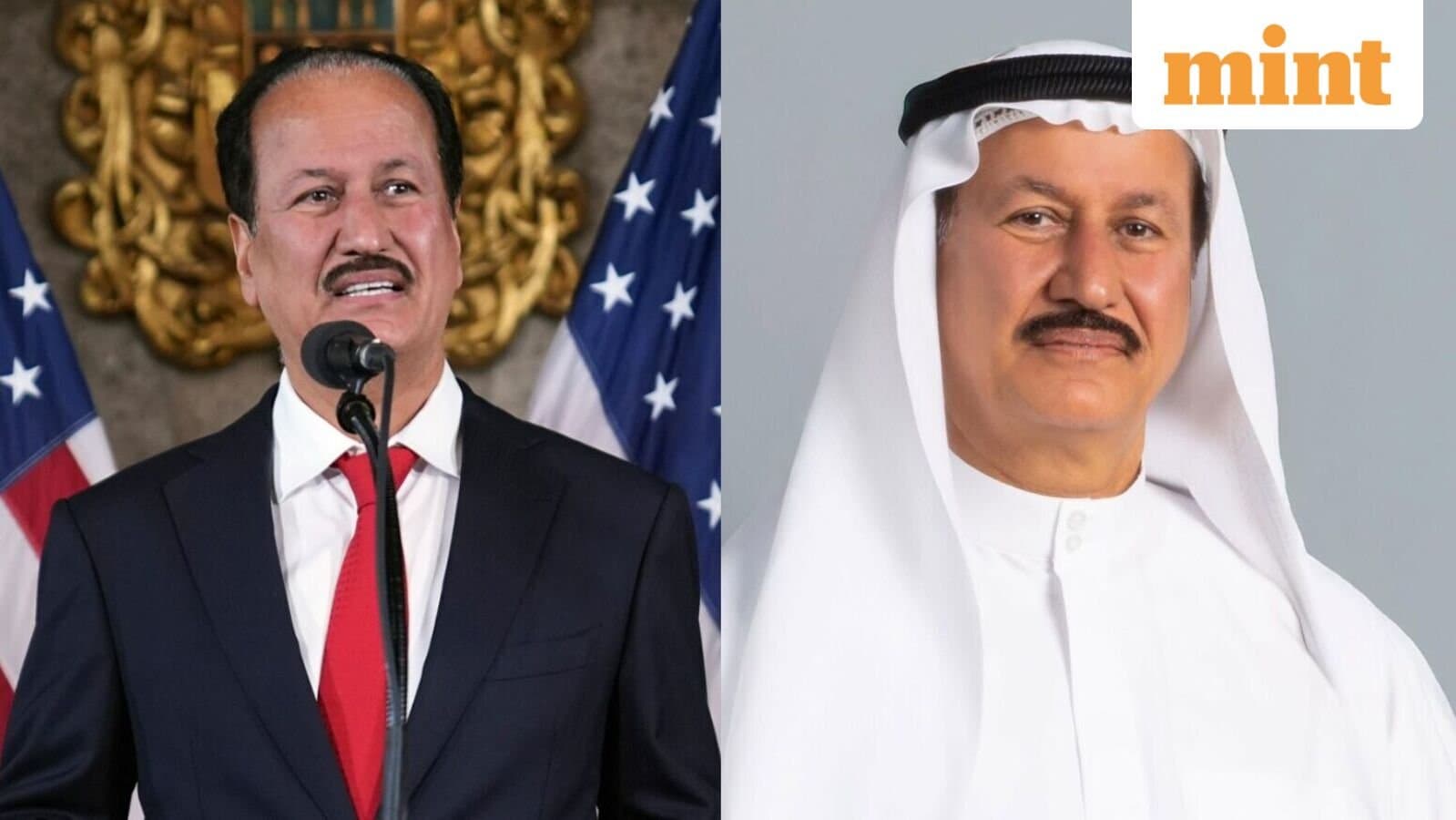
Damac's Sajwani Says Anthropic Stake Beat His 30 Years in Business Before Nasdaq Debut
11 hours ago · 3 min read