Fitch Affirms UAE at AA-, Sees 0.5% Growth in 2026 and Expects Emirates to Bear War Costs
About 7% higher hydrocarbon output is expected to carry the economy as non-oil GDP shrinks 1.5% and Dubai's economy contracts by close to 5%.
·2 min read
Prefer Nakoda News on Google
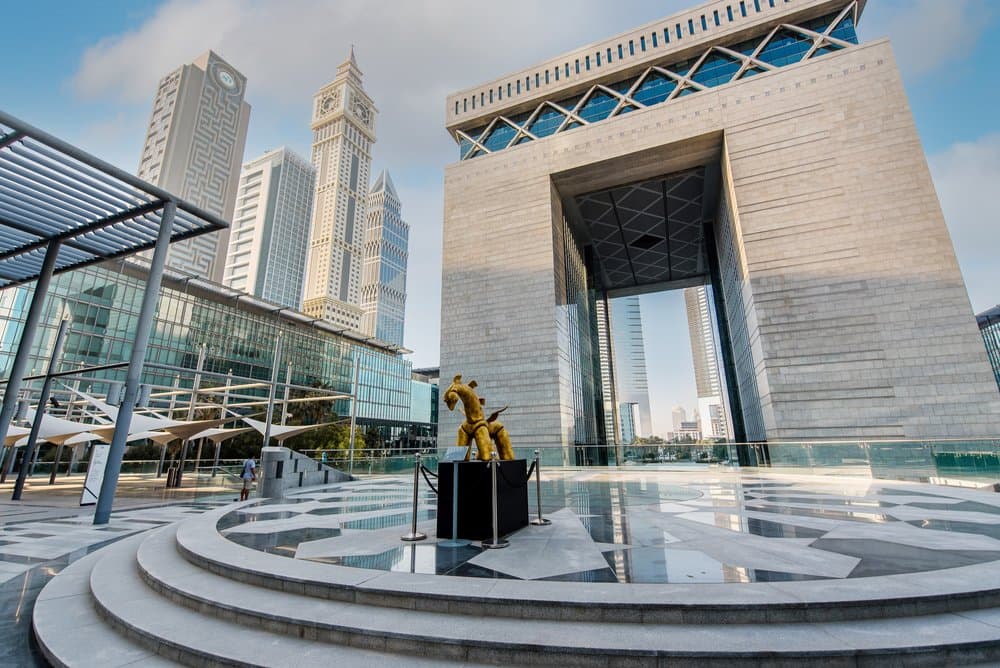
Fitch Ratings affirmed the UAE's long-term issuer default ratings at AA- with a stable outlook, citing strong external assets, low government debt and oil export revenues that have held up through the Iran war, Arab News reported.
The affirmation comes as regional tensions disrupt shipping through the Strait of Hormuz and weigh on business confidence and investment across the Middle East. Fitch's reasoning also separates the federation from its members.
"The Stable Outlook reflects demonstrated resilience of oil export revenues during the Iran war, which largely offsets the immediate negative impact of the war, as well as abundant fiscal and external buffers, and our expectation that individual emirates will bear the cost of the war rather than the federal government," Fitch said.
The agency estimated Abu Dhabi's sovereign net foreign assets at 180% of UAE GDP in 2026, among the highest of any sovereign it rates. High GDP per capita and large fiscal and external buffers also support the rating.
The growth picture is weaker. Fitch forecasts UAE real GDP growth of 0.5% in 2026, driven by a rise of about 7% in hydrocarbon GDP. Non-oil GDP is expected to shrink by 1.5%, and Dubai's economy is projected to contract by close to 5%.
Public finances remain in surplus. Fitch expects the consolidated budget to show a surplus of 4% of GDP in 2026, even after spending rose by nearly 20% to cushion the immediate effects of the war and fund large support programmes. Abu Dhabi and Dubai are forecast to stay in surplus, while Ras Al Khaimah and Sharjah are expected to run deficits.
Consolidated government debt is projected to edge up to 22.8% of GDP in 2026 from 22.6% at the end of 2025, well below the 45% median for sovereigns in the AA category. "We project Abu Dhabi and Dubai's debt will be broadly stable, Sharjah will borrow to fund deficits," Fitch said. UAE banks look resilient under the agency's base case for the war, supported by sound metrics and ample liquidity and capital.
Fitch expects the Strait of Hormuz to reopen gradually from the first quarter of 2027, with periodic strikes and counterstrikes, mainly on military sites and ships, until then. Those could interrupt Abu Dhabi's oil flows, although Fitch does not expect significant physical damage. It said renewed hostilities later in 2027 or beyond could not be ruled out, and that the war's longer-term effect on non-oil growth and diversification is uncertain.
"The longer and more structural the deterioration in the regional security environment, the greater the adverse impact would be, which could challenge the sovereign balance sheet," Fitch said.
The agency said the UAE's strengths are balanced by governance indicators that are relatively weak against peers, elevated geopolitical risk, heavy reliance on hydrocarbon revenue and significant leverage at government-related entities.
A prolonged security deterioration that significantly disrupted oil and gas exports or Hormuz shipping could put pressure on the rating, particularly if it substantially weakened fiscal and external positions, Fitch said. Further improvement in the consolidated balance sheet, greater fiscal flexibility at the federal level and stronger confidence in Abu Dhabi's unconditional support for federal debt could support an upgrade.
In July, Fitch affirmed Saudi Arabia at A+ with a stable outlook.
By
Nakoda News Gulf Desk
Business, technology and policy across the UAE, Saudi Arabia and the wider Gulf.
Related coverage
- Business
Iran's IRGC Says Two Tankers Hit Mines and Caught Fire South of Strait of Hormuz
5 hours ago · 2 min read
Business UAE Population Hits 12.06 Million in 2025, Up 7% From 11.3 Million, FCSC Says
6 hours ago · 1 min read
Business Keeta Drone to Debut M-Drone 4L at Dubai Future Week; Meta, Uber Among Eight Partners
7 hours ago · 2 min read
- Business

Damac's Sajwani Says Anthropic Stake Beat His 30 Years in Business Before Nasdaq Debut
11 hours ago · 3 min read
- Business

Dubai RTA Offers Up to Seven Extra Taxi Plates Under New Five-Star Operator Ratings
11 hours ago · 2 min read