Modi's Office Summons Telecom Secretary Over Website Blocks Based on Fake Court Orders
India's telecom department told internet providers to block 129 betting sites on the strength of two forged High Court orders that sat on its website for months.
By Nakoda News Desk
·2 min read
Prefer Nakoda News on Google
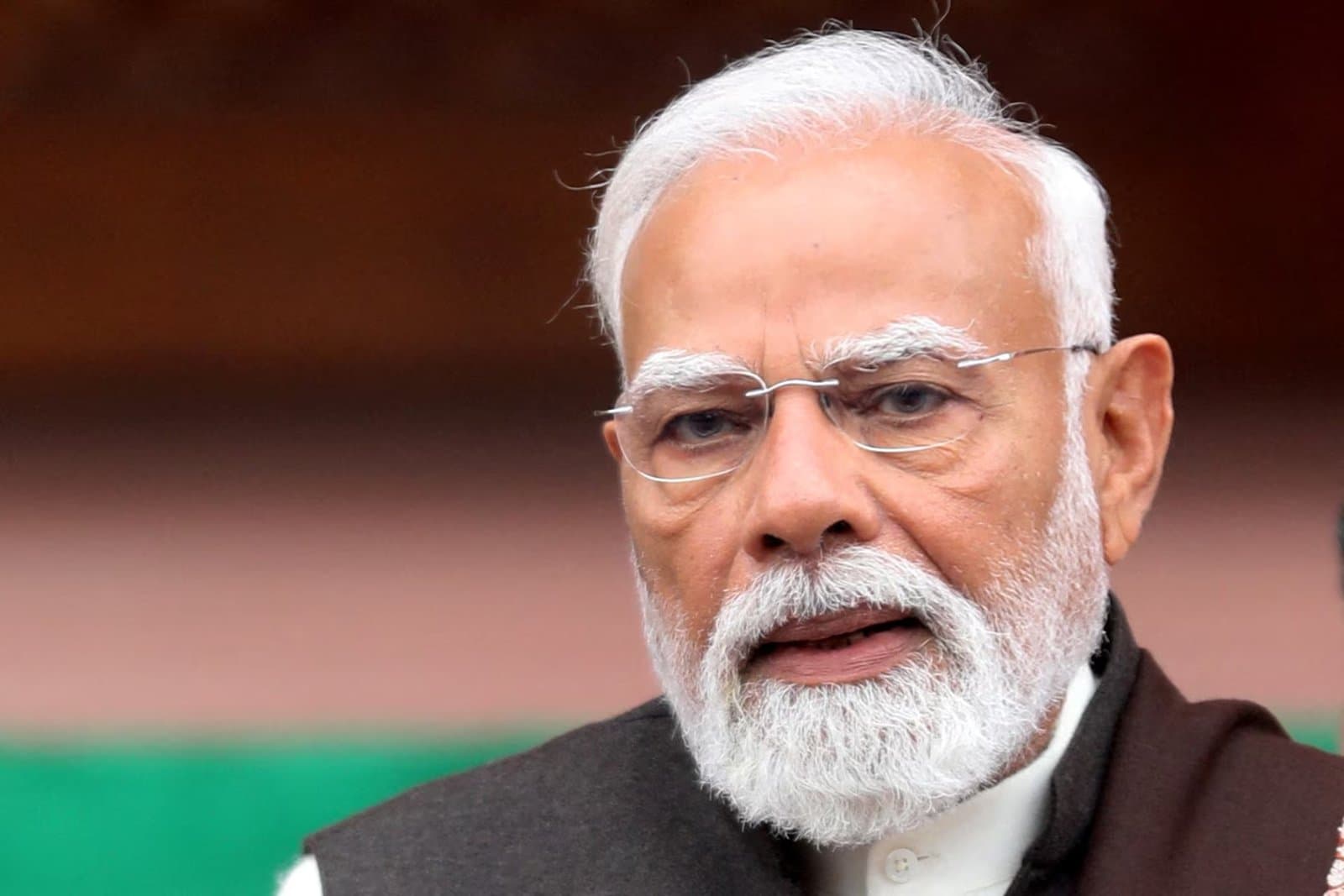
India's Prime Minister's Office summoned Telecom Secretary Amit Agrawal on Saturday to explain how his department ordered internet providers to take down more than 100 websites on the basis of court orders that turned out to be forged, Reuters reported, citing two government officials.
The summons cut short a trip Agrawal was making to another state, the officials said. Agrawal is the most senior civil servant in the telecommunications ministry, which oversees telecom operators and internet service providers. Neither he, the ministry nor Modi's office responded to Reuters.
The case exposes a weak point in the system India uses to remove online content. The Department of Telecommunications acted on emailed documents that purported to come from two High Courts, published its blocking directions on its own website, and left them there for months. All 129 sites blocked in this case offered betting, which is illegal in India, but the episode has raised concern that the same process could be used to block legitimate websites with falsified paperwork.
Reuters first revealed the forgeries on Wednesday. According to its investigation, the department issued its first direction on July 21, covering 34 sites, after receiving a purported Rajasthan High Court order by email two days earlier from a sender describing himself as an advocate-on-record. The document demanded action within 24 hours and cited a national security provision of India's IT law. The court's registrar told Reuters the order "appears to be fraudulent" and did not exist on its server.
A second direction followed on September 2, ordering 95 more betting sites blocked on the basis of a purported Allahabad High Court order dated August 14 and bearing the name of Justice Garima Prashad. It carried a court logo, a seal and a QR code that led to an unrelated web page. The court confirmed the order was fake and filed a police complaint on November 6, and police have opened a criminal investigation against unknown persons for forgery and cheating. Prashad's office said no such order had been passed.
On Friday, Reuters reported that the telecoms ministry had begun an internal inquiry and that police had asked for ministry records. Defending the department, one of the officials told the news agency the action against the betting sites "was carried out through the relevant field officers". By Saturday, one of the two fake orders had been taken off the department's website while the other was still accessible.
Reuters said it could not establish who produced the documents or whether artificial intelligence was used to make them. Fabricated legal material has become a growing concern for courts. India's Supreme Court in July set aside a tribunal's orders that relied on judgments that did not exist, and a US judge recently disqualified lawyers for using fabricated legal citations. In a separate case, X told an Indian court that police directives sent to two free-speech groups were also fake.
No arrests had been made, and the police inquiry and the ministry's internal review are continuing.
Sources
- Arab News · Modi summons telecom secretary over website takedowns, sources say
- The Economic Times · PM Modi summons telecom secretary over website takedowns, sources say
- The Star (Reuters) · Exclusive-India ordered website takedowns on fake court orders, Reuters finds; police launch probe
Produced with AI assistance from the sources above. How we work
By
Nakoda News Desk
Nakoda News covers AI and business. Every story links the sources it draws on; how we work is set out in our editorial standards.
Related coverage
- Policy

Trump and Xi Expected to Settle Details of AI Incident Channel at APEC in Shenzhen
4 hours ago · 3 min read
- Policy

Houthis Claim Drone Strikes on Riyadh Airport and Saudi East-West Oil Pipeline
7 hours ago · 2 min read
- Policy

AI Becomes the Top Financial Stability Worry in Fed Survey, Cited by 87% of Contacts
7 hours ago · 2 min read
- Policy

Democratic Senators Tell Musk to Preserve SpaceX Records on Ukraine Starshield Limits
8 hours ago · 1 min read
Policy Warsh Convenes Fed Forum on AI's Economic Impact as Officials Split on Jobs and Prices
8 hours ago · 3 min read