Meta, Google and TikTok Sue California to Block Teen Social Media Feed Law
The three companies say AB 1709, which bans autoplay and personalised feeds for under-16s from January with fines of up to $50,000 per user, violates the First Amendment.
By Nakoda News Desk
·3 min read
Prefer Nakoda News on Google
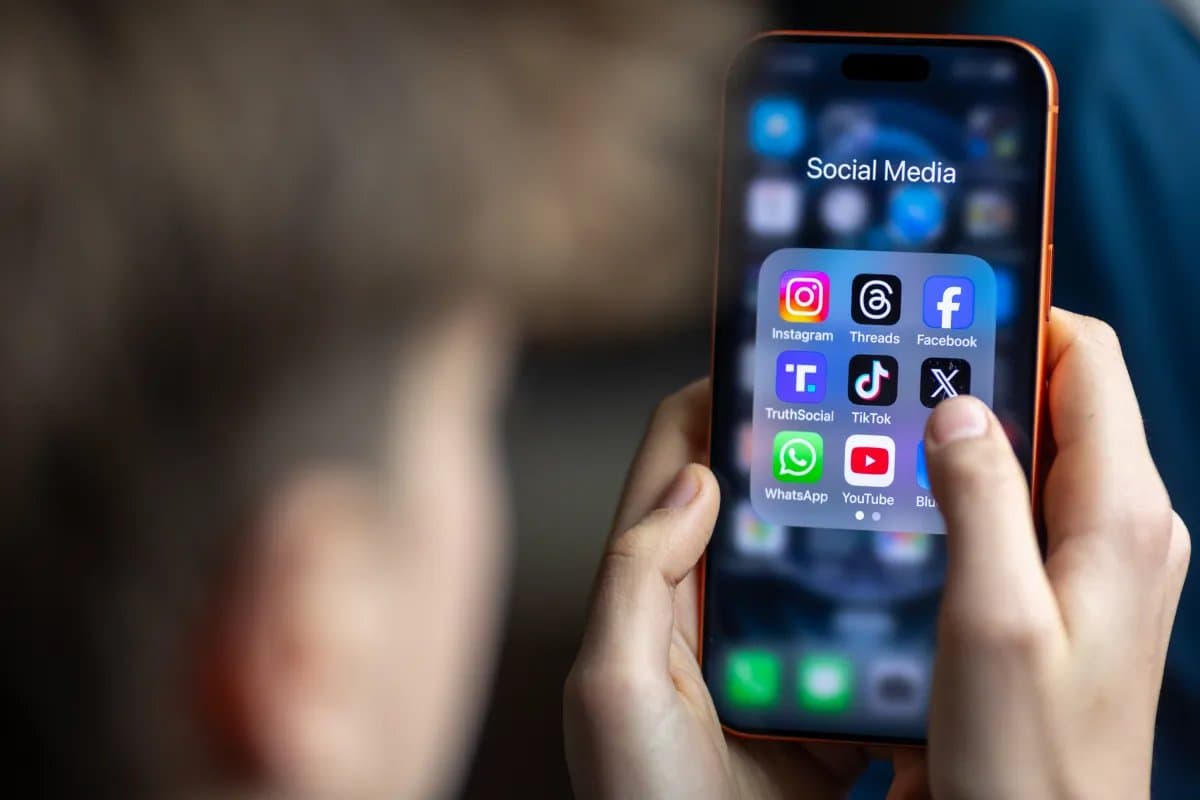
Meta, Google and TikTok have each filed lawsuits against California Attorney General Rob Bonta to stop a state law that would bar social media platforms from showing autoplay videos and personalised feeds to users under 16.
The law, Assembly Bill 1709, was signed by Governor Gavin Newsom in September and is due to take effect at the start of 2027. It requires platforms to delete the accounts of under-16 users if those features are not switched off, and exposes companies to fines of up to $50,000 for each affected minor. The three companies filed separate suits in different California courts.
The cases matter well beyond California. Personalised recommendation feeds and autoplay are the core engagement mechanics of Instagram, YouTube and TikTok, and the law would force the companies either to strip them out for younger users or to stop serving those users altogether. Because enforcement depends on knowing which users are under 16, critics say it would also push platforms toward collecting more data on everyone to verify ages.
Meta argues the law violates the First Amendment by overriding its editorial decisions about how to arrange content, and that it is preempted by Section 230 of the federal Communications Decency Act, the provision that shields online platforms from liability for user content. Google and TikTok made similar arguments, according to TechCrunch and Engadget.
"The state cannot, consistent with the First Amendment, override Meta's editorial judgments," Meta wrote in its complaint. The company said the law would make it unlawful to disseminate speech to minors altogether, and would require it to delete minors' accounts, unless it changed how its feeds work.
A TikTok spokesperson called the measure "a blatantly unconstitutional restriction on free expression" in an emailed statement, comparing personalised curation to practices used by bookstores, television networks and streaming services.
Google said autoplay on YouTube is already turned off by default for minors and that parents can block their teenagers' access to Shorts. "Overly broad laws like this actually break the systems we've built to help kids find high-quality, age-appropriate videos," a Google spokesperson said.
The companies have unusual allies. The Electronic Frontier Foundation, a digital rights group, unsuccessfully urged Newsom to veto the bill. "AB 1709 compels platforms to collect even more information from every user, invading everyone's privacy and frustrating our ability to remain anonymous online," Rindala Alajaji, the group's associate director of state affairs, said in a press briefing.
Newsom said when he signed the law that the state "will not stand by while unregulated technology puts our children at risk." A representative for Bonta said his office was reviewing the filings and was committed to "defending California's commonsense laws to protect kids online."
The lawsuits arrive as the platforms face thousands of claims from individuals, school districts and governments alleging that their products are addictive and have harmed young people's mental health. Meta recently agreed to pay up to $18 billion to settle children's safety claims brought by 29 US states, while denying wrongdoing and committing to make its platforms less addictive for young users.
Other governments have moved further. Australia banned social media for under-16s in December 2025. France passed a similar law, but its top court struck it down on free expression grounds.
The immediate question is whether a court will pause AB 1709 before its January start date. Tech industry challenges to state laws on children's online safety have often won preliminary injunctions on First Amendment grounds, and the companies are expected to seek one here.
Sources
- TechCrunch · Meta, Google, and TikTok sue California AG over teen social media law
- Engadget · Google, Meta and TikTok are all suing California to block social media law intended to help kids
Produced with AI assistance from the sources above. How we work
By
Nakoda News Desk
Nakoda News covers AI and business. Every story links the sources it draws on; how we work is set out in our editorial standards.
Related coverage
Policy Meta Shelves Business Terms That Would Have Let It Crawl Sites Linked From Facebook Pages
6 hours ago · 3 min read
- Policy
Rubio Oversaw Classified Memo Warning Officials About Jensen Huang's Spy Links, NYT Says
8 hours ago · 2 min read
Policy Democrats Line Up Investigations of Apple, Meta and Musk Companies After Midterm Win
8 hours ago · 2 min read
- Policy

UK Growth Minister Says Data Centre Build-Out Will Continue Despite US Backlash
8 hours ago · 2 min read
- Policy
Elvis Presley Rights Holders and Eminem's Publisher File New Lawsuits Against Suno
9 hours ago · 3 min read