Hormuz Attacks Have Killed 25 Seafarers as Ship Operators Rethink Crew Protection
At a Dubai safety conference, welfare groups said about eight ships are abandoned off the UAE coast and crew morale has fallen for a third straight quarter.
By Nakoda News Desk
·3 min read
Prefer Nakoda News on Google
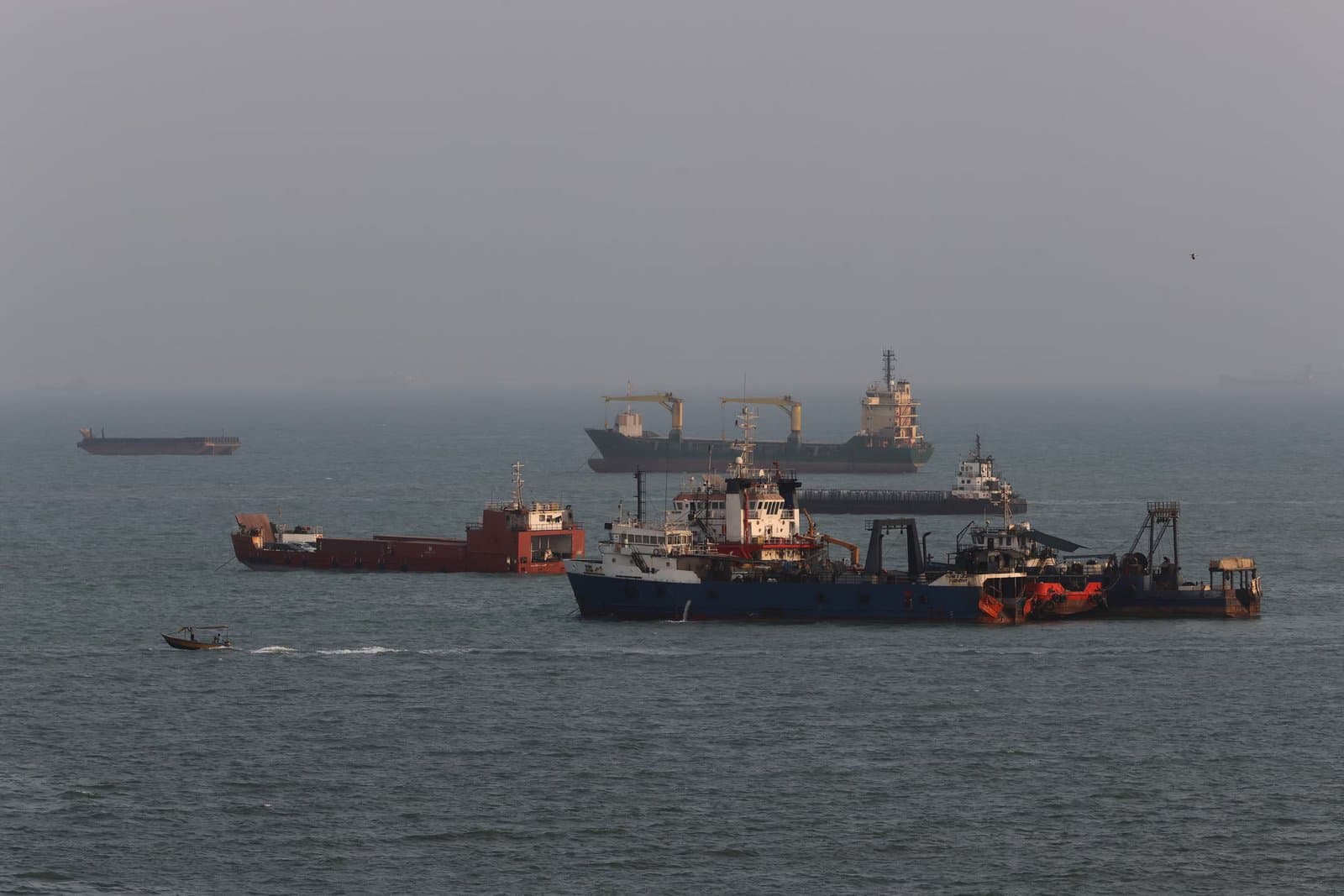
Attacks on tankers in the Strait of Hormuz have killed 25 seafarers since the Iran war began on February 28, The National reported. The deaths are pushing ship operators to rethink how they protect crews and have revived questions about sailors' right to refuse work in conflict zones.
More than 130 attacks on commercial vessels have been reported in the region since the conflict started. Arsenio Dominguez, secretary general of the International Maritime Organisation, called for greater protection for seafarers of every nationality after the MT Velos Sapphire was attacked on November 5. He warned that seafarers were still being killed or seriously injured, abandoned by operators, denied repatriation or left without basic necessities.
The strait carries much of the Gulf's oil and gas exports. Ships need crews willing to sail it, and fewer sailors are willing. About a quarter of the world's seafarers come from the Philippines, which deploys about 500,000 a year. Its Department of Migrant Workers has declared the Arabian Gulf, the Strait of Hormuz and the Gulf of Oman warlike operational areas and has barred deployment to vessels transiting the high-risk zones. Sailors are still signing contracts, drawn by higher wages for the risk.
Abandoned Off the UAE Coast
The figures were discussed at the eighth Tristar Safety At Sea conference in Dubai on Monday. Crew on tankers off Mumbai, New Delhi and Manila joined remotely for sessions on mental health support.
Ben Bailey, director of programme at the Mission to Seafarers, said about eight vessels had been abandoned off the UAE coast by their owners. Abandonment means an operator stops paying wages or goes bankrupt and leaves the crew on board. Bailey said that number was falling. "At the beginning of the crisis, we were dealing with around 15 to 20. Now we've got around 8 to 10 that we're looking after in varying states," he said.
The charity's quarterly happiness index, which surveys mental health on board, has fallen for a third consecutive quarter, from 7.18 out of 10 in the first three months of the year to 6.81. "We are being inundated with calls about seafarers seeking pastoral support and counselling," Bailey said. He described crews stuck among mines, unable to move forward or back, who had watched other vessels explode. One seafarer told him he now treated missiles and drones in the sky "almost like a firework". Bailey called that a worrying sign that crews were normalising their situation.
Mines, Fires and Piracy
The hazards continue to pile up near UAE waters. An offshore oil leak 25km off Umm Al Quwain has been linked to the tanker Gem No 2, which is understood to have struck a mine. On Sunday, a cargo ship in the Gulf of Oman sent a distress call after a fire broke out on board, and 22 crew were evacuated with help from the UAE National Guard.
Further afield, the IMO has recorded 17 attempted or actual piracy and armed robbery incidents in the Western Indian Ocean and the Gulf of Aden since the start of the year. It has also condemned Houthi attacks on merchant ships in the Red Sea and the Bab Al Mandeb strait, and Russian attacks on seafarers, tankers and port infrastructure in the Black Sea.
Eugene Mayne, group chief executive of Tristar, said suicides on board had forced owners to look at the mental health support they offer. The International Labour Organisation recorded 26 suicides among 449 seafarer deaths in 2024, the last full year of data. "Commercial vessels in our region are caught in a war that they have nothing to do with," Mayne said.
Mayne asked ship owners to commit to three things: basic necessities such as food, fresh water, adequate rest and medical care; reliable communication with home; and safe repatriation where needed. "Our decisions about vessel passages, routes, schedules and operations must reflect the reality," he said. Abdulla Al Hashmi, global chief operating officer of parks and economic zones at DP World, also spoke at the event, which is now in its eighth year.
Sources
- The National · Safety elusive for shipping crews in Hormuz as death toll climbs
Produced with AI assistance from the sources above. How we work
By
Nakoda News Desk
Nakoda News covers AI and business. Every story links the sources it draws on; how we work is set out in our editorial standards.
Related coverage
- Business

Shoprite Picks Investec as the Licensed Bank Behind Its Planned Debit Card
8 hours ago · 2 min read
Business Abu Dhabi Court Finds NMC's BR Shetty and Former CEO Liable in $5 Billion Fraud
10 hours ago · 3 min read
- Business

UAE East Coast Ports Quadruple Container Volumes as DP World Targets 21.9 Million TEU
10 hours ago · 3 min read
- Business
Saudi East-West Oil Pipeline Hit in Madinah Region, Ministry Says Operations Unaffected
10 hours ago · 2 min read
- Business

UAE Economy Minister Says Sea Freight Costs Rose 500% and Affected Goods Prices 28%
10 hours ago · 3 min read