UAE Economy Minister Says Sea Freight Costs Rose 500% and Affected Goods Prices 28%
Ministers told the Government Annual Meetings how the UAE kept food and medicine flowing, from AI-prioritised shipments to a 20% cut in prices of 168 essential items.
By Nakoda News Desk
·3 min read
Prefer Nakoda News on Google
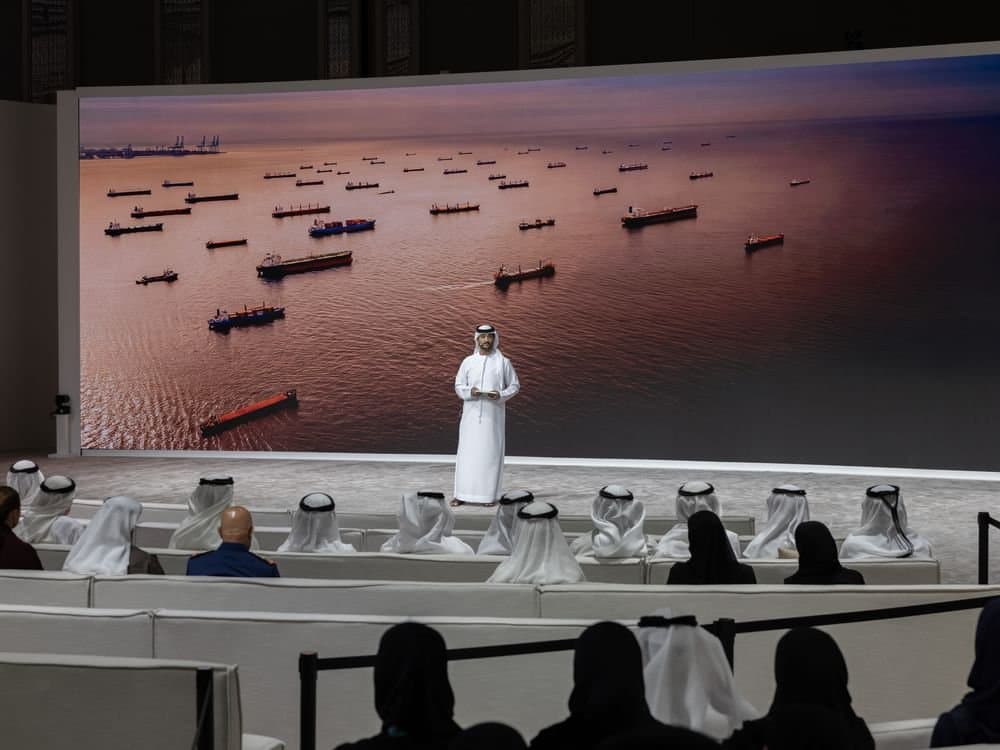
The cost of shipping goods into the UAE and clearing them through customs has risen by 266%, and sea freight costs alone have risen by 500%, Economy and Tourism Minister Abdulla bin Touq Al Marri told a session of the 2026 UAE Government Annual Meetings in Abu Dhabi on Monday. Prices of the goods affected rose by about 28% on average, he said.
The figures, given at a session on keeping food and medicine available, are among the most specific official measures yet of what supply disruption has cost the UAE economy. According to the account of the session published by the state news agency WAM, the minister did not say over what period the increases were measured or which goods were included. The meetings take place while attacks on shipping in and near the Strait of Hormuz continue to weigh on Gulf trade.
The ministry's response has leaned on enforcement and data. Bin Touq said it carried out more than 41,000 inspection campaigns, against about 15,000 in a normal year, and increased its inspectors from 6 to 50 in coordination with the Ministry of Justice. It received more than 10,000 calls from the public, and used analysis of complaints and field visits to address price gaps between outlets, encourage direct supply and reduce the number of middlemen.
Federal and local agencies, ports, customs and private companies have built a shared database to track the availability of goods, and artificial intelligence is now used to decide which shipments are let in first according to stock levels and national need, he said. A consumer platform for essential goods, which lets shoppers find their location and compare prices at nearby stores, drew more than 30,000 users in its first week.
A Permanent Food Resilience Programme
The next phase is a permanent national programme for the resilience of the food system, bin Touq said. It is to include a national observatory, a plan for each commodity, faster supply corridors and larger reserves and capacity, and will link the strategic stockpile to logistics, costs, financing and national coordination.
Dr Amna bint Abdulla Al Dahak, Minister of Climate Change and Environment, said an updated "UAE Food Basket 2.0" widens national planning from 18 to 28 food categories. The basket sets out which items the country can produce more of locally, which need more diverse sources and bigger reserves, and which industries and services the food system needs, with the aim of steering investment, technology and support programmes toward production suited to the country's resources.
The UAE draws on qualified suppliers in more than 115 countries through 42 land, sea and air entry points, she said. Her ministry carried out more than 238,000 veterinary inspections in the first nine months of 2026, against about 237,000 in the same period of 2025. A pesticide residue testing programme took more than 10,900 samples by the end of September, already more than in all of 2025, with compliance above 90%.
Medicines Without Touching the Reserve
Saeed Al Hajeri, Minister of State and chairman of the Emirates Drug Establishment, said the country's medicines system covers more than 20,000 registered medical products from more than 3,000 factories in more than 100 countries, and receives about 2,600 medical shipments a week. Processing of import requests has been cut from two days to 12 hours, and a review of prices of more than 168 essential items, carried out with the private sector, lowered prices of the items covered by 20%, he said.
Tracking more than 1,400 products in the strategic stockpile and approving 217 therapeutic alternatives allowed the country to keep supplies going without drawing on that stockpile, Al Hajeri said. The UAE makes more than 3,000 medical products locally, and manufacturers have cooperated by pooling the requirements of more than 12 factories into single shipments and making surplus raw materials at 7 other plants available to others.
Al Hajeri set out five initiatives for the next stage: connecting the national drug-tracking platform to companies' own systems, securing reserves of essential materials for factories, drawing up a national policy on medical stockpiles, speeding up the localisation of pharmaceutical manufacturing, and writing protocols for regulatory response in a crisis.
Sources
- وكالة أنباء الإمارات · وزراء: الإمارات طورت منظومة متكاملة لاستدامة توافر الغذاء والدواء
- البيان · وزراء: الإمارات طورت منظومة متكاملة لاستدامة توافر الغذاء والدواء
- khaleejtimes-english · Oil slides as Trump signals restraint on Iran despite fresh shipping attacks
Produced with AI assistance from the sources above. How we work
By
Nakoda News Desk
Nakoda News covers AI and business. Every story links the sources it draws on; how we work is set out in our editorial standards.
Related coverage
Business Abu Dhabi Court Finds NMC's BR Shetty and Former CEO Liable in $5 Billion Fraud
8 hours ago · 3 min read
- Business
UAE East Coast Ports Quadruple Container Volumes as DP World Targets 21.9 Million TEU
8 hours ago · 3 min read
- Business
Saudi East-West Oil Pipeline Hit in Madinah Region, Ministry Says Operations Unaffected
8 hours ago · 2 min read
- Business
UAE Non-Oil Trade Passes Dh2.945 Trillion in Nine Months as Exports Jump 21.6%
9 hours ago · 3 min read
- Business

Dubai International Content Market Expects 200 Buyers From 30 Countries This Week
12 hours ago · 1 min read