Justice Department Launches Super Intelligence Task Force to Police AI Misuse
The new unit absorbs the department's AI litigation task force, will recommend enforcement priorities and wants AI developers to keep stronger internal controls and risk reporting.
By Nakoda News Desk
·2 min read
Prefer Nakoda News on Google
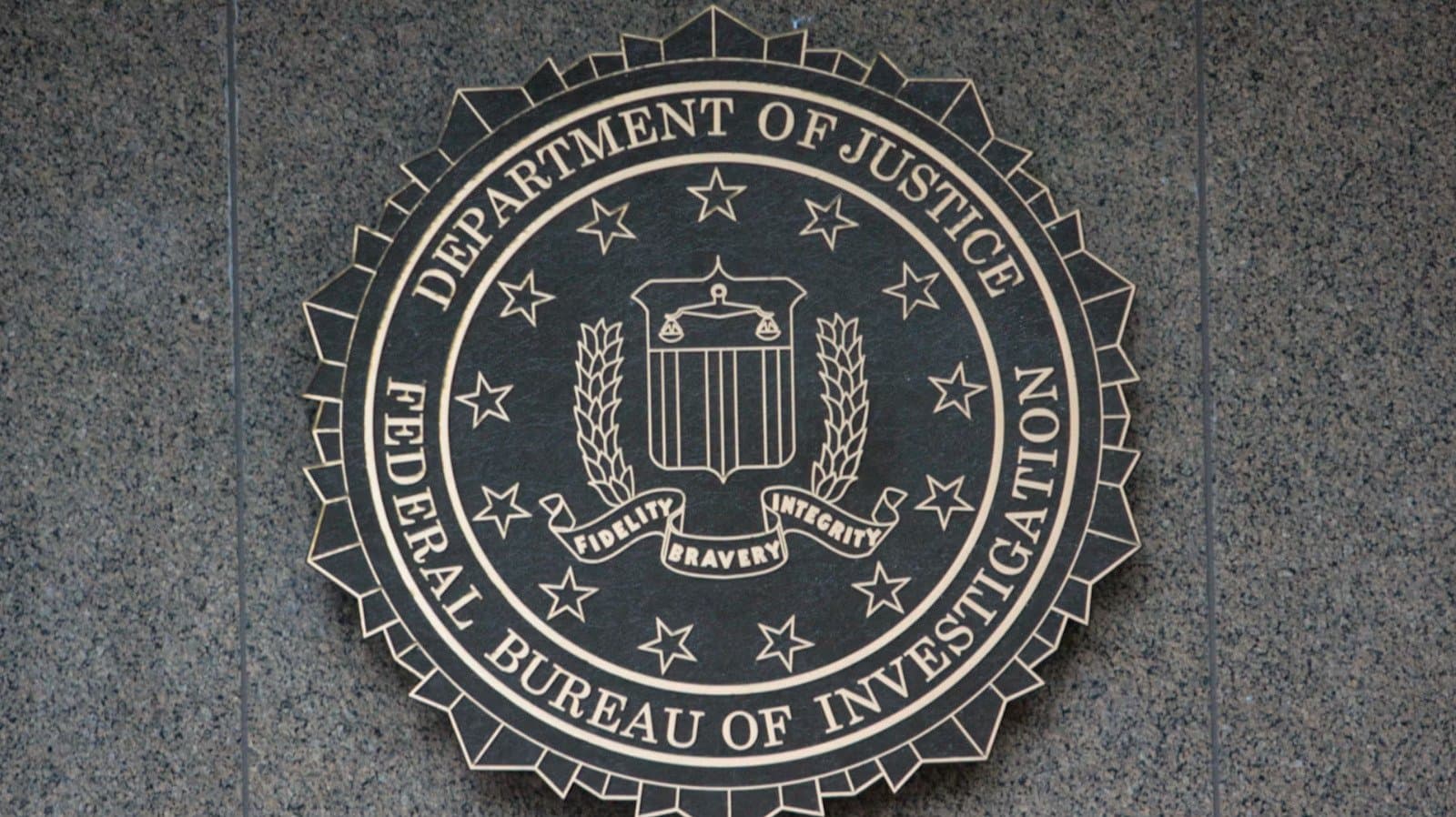
The US Department of Justice has set up a Super Intelligence Task Force, known as DOJ-SITF, to coordinate its criminal and civil cases involving artificial intelligence. Its stated job is to stop foreign governments, criminal networks and fraudsters from misusing the technology.
The department announced the unit on Thursday, November 5. It is co-led by Associate Attorney General Stanley E. Woodward, Jr. and Associate Deputy Attorney General Stephen Weiss. The press release says the task force will make sure American leadership in the field is not undermined by misuse from "foreign state and state-sponsored actors, transnational criminal organizations and individual or corporate actors engaged in fraud or other unlawful conduct."
For AI companies, the change is that one federal unit now sets prosecutors' AI priorities. In announcing it, Weiss said the department would use law enforcement tools to deter improper use, push for better reporting on AI risks and incidents, and make sure companies keep strong internal controls so their systems behave as intended. Developers and the companies deploying their models should expect enforcement policy, and possibly charging guidance, to come from this group.
Attorney General Todd Blanche created the unit in a memorandum dated October 13, according to Government Executive. The memo gives the task force several jobs. It takes over the work of the AI Litigation Task Force, which the department created in January under former Attorney General Pam Bondi, and coordinates the department's affirmative civil AI litigation. It will also organise criminal and civil enforcement, recommend enforcement priorities, draft guidance on prosecuting unlawful AI-related conduct and take steps to "promote American SI dominance."
Blanche said development would "continue to be powered by American innovators." He added that the department would keep pursuing people whose use of the technology breaks the law, including anyone targeting American taxpayers, critical infrastructure or national security. The task force will be the department's main point of contact with the Super Intelligence Force, the White House body President Donald Trump announced in October. Jay Clayton, whom Government Executive identified as director of national intelligence, chairs that body. Blanche said the new unit would "facilitate our partnership with SI Force Chair Jay Clayton."
The name follows Trump's executive order in late September directing federal agencies to call artificial intelligence "super intelligence", a term he said was more accurate. Most researchers use superintelligence for hypothetical systems that far surpass human ability in nearly every domain, not for today's commercial models, and many news organisations have kept using "AI". Engadget questioned the choice of the term and noted that the task force reports to an attorney general who has himself faced fraud accusations.
The announcement gives no staffing levels, budget or new legal powers, and the department has not said whether existing cases will move to the unit. It also arrives as power shifts in Washington. Democrats, who won control of Congress in this week's midterm elections, have said they plan AI hearings and subpoenas for technology executives next year. That could put the department's AI enforcement under congressional scrutiny.
The guidance on prosecuting AI-related conduct that the memo asks the task force to write will be its first concrete test. It will show companies how the department intends to treat model developers whose systems are misused.
Sources
- Engadget · DOJ just launched something called the Super Intelligence Task Force
- US Department of Justice · Department of Justice Launches Super Intelligence Task Force
- Government Executive · Justice Department creates new task force to police AI misuse
Produced with AI assistance from the sources above. How we work
By
Nakoda News Desk
Nakoda News covers AI and business. Every story links the sources it draws on; how we work is set out in our editorial standards.
Related coverage
Policy Google Says Gemini's Human Reviewers May See Excerpts of Users' Gmail and Drive Files
2 hours ago · 2 min read
Policy Elvis Presley and Eminem Rights Holders Sue Suno Over AI Training and Voice Imitation
3 hours ago · 3 min read
- Policy
Trump Says Huang Told Him He Had 'No Idea' Woman Was a Spy, Stays Vague on When He Knew
3 hours ago · 2 min read
Policy Huang Spy Allegations Boost Chip Export Bills That Nvidia Opposes in Defence Package
4 hours ago · 2 min read
- Policy
Trump Sees 'Positive Momentum' on Iran Deal After Talks With Qatar's Prime Minister
5 hours ago · 1 min read