Bharat Semi Raises $24 Million Seed Round for Image Sensors With On-Chip AI
The pre-revenue New Delhi startup is targeting first commercial production in 2027 and says its design cuts system costs by at least 70%, a claim no shipped product has tested.
·2 min read
Prefer Nakoda News on Google
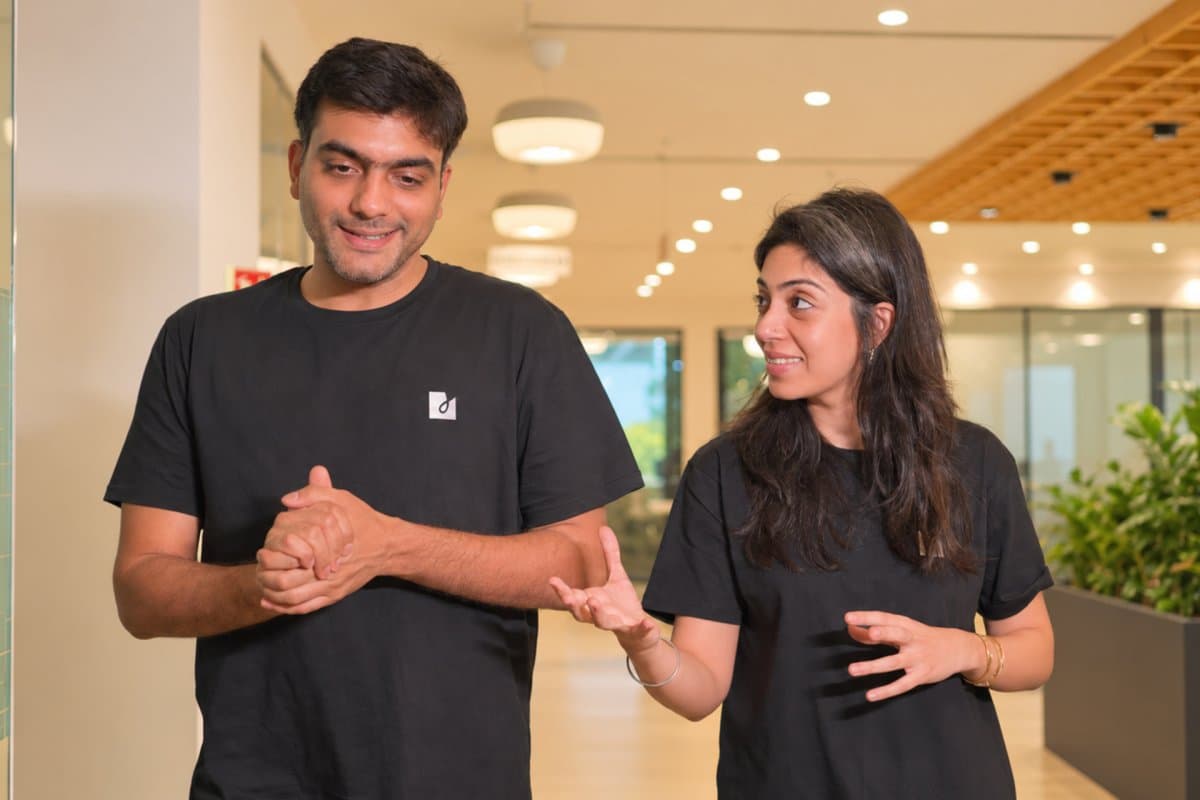
Bharat Semi, a New Delhi semiconductor startup, has raised $24 million in seed funding to build image sensors that do their AI processing on the same chip, TechCrunch reported. Info Edge Group, South Park Commons and Indus Bridge Ventures led the all-equity round, with participation from Valour Capital, Micromax, Gaingels and individual investors.
The company is nearly five years old and has no revenue yet. Its sensors are still under development, and it is aiming for its first commercial production in 2027. Even so, it says it has already secured design wins with General Atomics, the US defence technology company, and with India's Kaynes Semicon.
India has committed billions of dollars to building a domestic semiconductor industry, hoping to become an alternative manufacturing hub as US companies diversify supply chains beyond China, but it has yet to establish itself as a major chip manufacturing hub. The AI boom has given Indian startups such as Bharat Semi an opening to develop specialised chips for global markets. Bharat Semi plans to stay fabless, focusing on chip design and software and outsourcing manufacturing, and is seeking customers in the United States and elsewhere.
Its product is a programmable sensor that combines image capture, processing and AI on a single chip, which reduces the need to send visual data to a separate processor. Co-founder Vrinda Kapoor said the design could cut system costs by at least 70% compared with conventional setups, which pair a separate image sensor, image signal processor and system-on-chip. The figure is the company's own. No product has shipped yet to test it.
"Our aim here is to move from sensors to sense-making solutions," Kapoor said.
The startup is targeting smart homes, industrial automation, surveillance and aerospace. Without giving specifics, Kapoor pointed to air conditioners that detect when a room is empty and adjust themselves, and drones that can process visual information without more expensive computing hardware elsewhere in the system.
The first-generation sensors are in prototyping. A second generation with more advanced AI capabilities is expected to reach prototype by mid-2027, and the company wants it in customers' hands by the end of that year.
Kapoor is a South Park Commons fellow who previously worked in healthcare technology. She co-founded Bharat Semi in late 2021 with Vinayak Dalmia, its managing director, who previously worked at McKinsey and in private equity. The chief technology officer, Boyd Fowler, held the same role at image-sensor maker OmniVision.
Bharat Semi has about 75 employees across India and the United States, including 10 to 12 in its US operation in Santa Clara, which covers engineering and business development. It plans to take its US headcount to around 20 by mid-2027 and has begun hiring engineers in Europe. Kapoor said the new money will go on expanding the engineering team, completing product development and bringing the sensors to market.
"It's a story of can we build a global technology company out of India," she said.
The funding will not be used for the company's other announced project. In 2024 Bharat Semi set out plans for a semiconductor fabrication project in India involving a technology partnership with the US Space Force. Kapoor said that initiative is separate from the sensor business and remains in development, and the company is working to identify domestic partners to build and operate the facility.
By
Nakoda News Startups Desk
Founders, funding rounds, investors and the companies they back.