Amazon Builds New Home Robot Team Around Fauna Deal as Astro Fades
Job listings describe a 'new-to-world robot product' for family homes, four years after the invite-only Astro reached only a few thousand customers.
By Nakoda News Desk
·3 min read
Prefer Nakoda News on Google
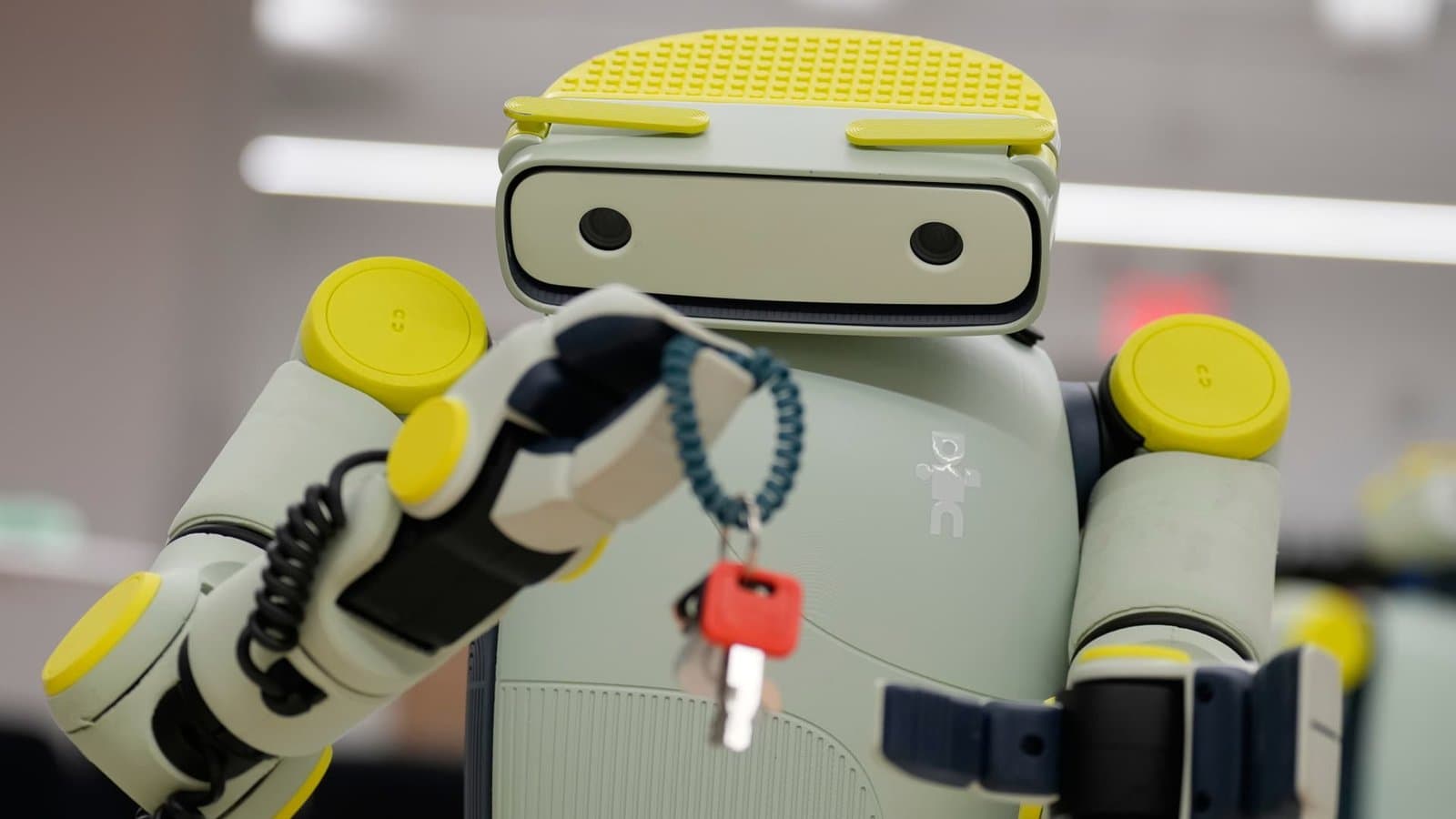
Amazon is assembling a team to build a new household robot, according to a CNBC analysis of the company's job postings. The effort is a second attempt at the consumer robot Jeff Bezos ordered in 2017, after the $1,450 Astro failed to reach a mass market.
Recent listings, CNBC found, describe a "new-to-world robot product" designed to move through "dynamic home environments" and operate autonomously "alongside family members." One engineering post, since removed, said robots were "about to step out of the movies and into our homes."
The project matters because it puts one of the largest consumer hardware companies back into a market that venture investors, carmakers and AI labs are now crowding into. CNBC cited PitchBook data showing $33.4 billion of venture money went into robotics and physical AI in the first half of this year, compared with $28.7 billion for the whole of 2025.
The team sits in the Personal Robotics Group, a division Amazon created in March when it bought Fauna Robotics. The New York start-up makes Sprout, a 3.5-foot humanoid used mostly by developers and by commercial and academic researchers. Amazon also moved much of the Astro team to the new project earlier this year and hired an MIT roboticist, according to LinkedIn profiles reviewed by CNBC. Some of the group's staff previously worked at Lab126, the hardware unit behind the Kindle, the Echo speakers and the Fire Phone, one of Amazon's best-known failures.
What the robot will do is still unclear. A June listing talked about making robots "not just functional, but delightful." An October posting for a field support engineer covered customer support and on-site repairs, and another sought a designer to "define what it feels like to live with a Fauna robot." That suggests Amazon could adapt Sprout for homes or businesses.
Amazon spokesperson Brad Glasser told CNBC the company bought Fauna because it is "committed to tackling the challenges that can unlock the personal robotics category." He said there is still a large gap between what robots can do in a controlled lab and what they can do in a living room or a lobby. He added that Amazon is applying lessons from Astro to its other robotics work and continues to support Astro owners.
Astro, which Amazon unveiled in 2021, was in effect an Alexa tablet on wheels. It could map a home, recognise faces and patrol as a security monitor. It never moved beyond invite-only sales and shipped to a few thousand customers. A business version launched in 2023 was discontinued less than a year later.
Ken Washington, Amazon's vice-president of consumer robotics until 2023, told CNBC that executives had discussed adding an arm so Astro could pick up objects, and that he had argued for a bipedal design, but leadership disagreed. He said he thought Bezos was "disappointed with the lack of functionality" but impressed by how well the robot navigated.
Some owners now expect the product to be dropped. Emily Lugo Velez, who has had an Astro in her North Carolina home since 2023, told CNBC she uses it to check on pets and appliances, but that otherwise it has become a party trick and a "trip hazard."
Homes remain much harder for robots than warehouses, where Amazon now runs more than one million robots following its $775 million purchase of Kiva Systems in 2012. Jeff Burnstein of the Association for Advancing Automation told CNBC that homes are unpredictable and that no two are laid out the same way. Amazon has failed before to expand into home devices: it walked away from a 2022 deal to buy Roomba maker iRobot two years later, after regulators pushed back.
The new effort will face competition from Tesla's Optimus, humanoid start-ups such as Figure and 1X, and Apple, which is reported to be working on several home robots. Amazon has not said when, or whether, it will release a product.
Sources
- CNBC · Amazon's Astro home robot has fans but looks destined for the 'trash heap.' Why it's trying again
Produced with AI assistance from the sources above. How we work
By
Nakoda News Desk
Nakoda News covers AI and business. Every story links the sources it draws on; how we work is set out in our editorial standards.