KAUST Researcher Says AI Berth Planning Offers Saudi Ports the Quickest Gains
Container volumes at Mawani-run ports rose 10.58% last year, and a KAUST engineer says predicting ship arrivals and assigning berths is where AI can help first.
By Nakoda News Desk
·2 min read
Prefer Nakoda News on Google
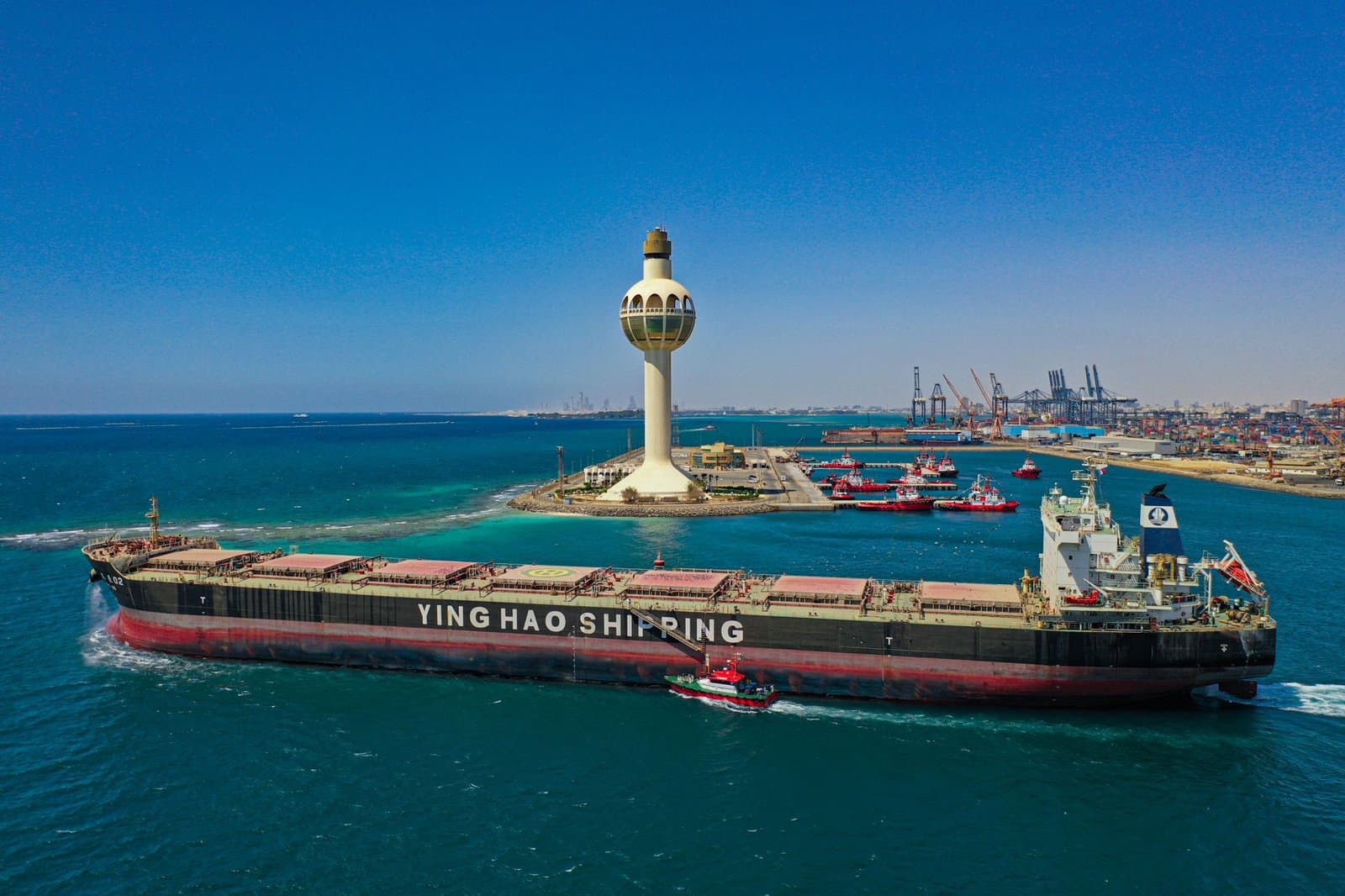
Predicting when ships will actually arrive and using that to assign berths is where artificial intelligence could deliver the most immediate value at Saudi Arabia's ports, according to Shinkyu Park, an assistant professor of electrical and computer engineering at King Abdullah University of Science and Technology.
The question is becoming more pressing as volumes rise. Ports run by the Saudi Ports Authority, known as Mawani, handled 8.3 million twenty-foot equivalent units in 2025, up 10.58% from 2024. When several vessels arrive at once, ships wait offshore, cranes are double-booked, yards fill up and trucks queue at the gates, and a delay in one place spreads through the supply chain.
Park told Arab News that the biggest gains lie in the linked decisions planners make every day: which ship goes to which berth, in what order, which cranes serve it and where containers are stacked. He described these as combinatorial optimisation problems, noting that just 20 ships competing for berths can be sequenced in about 2.4 quintillion ways, before cranes, storage or trucks are considered.
He sees two routes. Machine learning can use existing port data, including the Automatic Identification System signals that track ships' positions and speeds, to forecast arrivals, handling times and congestion. Reinforcement learning can test strategies in realistic port simulations and learn which decisions cut waiting times. In one scenario he described, a model flags on Sunday that a ship will arrive about 10 hours early on Tuesday, giving planners time to move it to another berth or ask it to slow down. "The planner still makes the call, but now with two days' notice and a clear picture of the consequences," he said.
Park said AI cannot replace the unwritten safety knowledge of experienced staff, such as which hazardous cargoes should not berth side by side, and that such rules must stay fixed constraints with humans making final decisions. He said ports should judge results on offshore waiting times, turnaround, crane productivity, safety incidents and how often staff override the system's recommendations, and warned that the approach needs reliable data, simulations and substantial computing power.
Mawani signed a memorandum of understanding with the Hamburg Port Authority and Hamburg Port Consulting in 2024 covering digital transformation and automation, including AI. Mawani and Saudi Global Ports did not respond to Arab News' requests for comment on how they currently use AI.
Sources
- Arab News · How AI could ease congestion at Saudi ports
Produced with AI assistance from the sources above. How we work
By
Nakoda News Desk
Nakoda News covers AI and business. Every story links the sources it draws on; how we work is set out in our editorial standards.
Related coverage
- AI
United Airlines Bars Third-Party AI Agents From Booking Flights and Managing Accounts
15 hours ago · 2 min read
- AI
Abu Dhabi AI Weather Forecasting Course Trains Officials From 15 Countries to Help Farmers
16 hours ago · 2 min read
AI Ras Al Khaimah Government HR Department Wins SAP Award for Its Use of AI
17 hours ago · 1 min read
- AI

Fireworks AI Breach Exposed Notion AI Chat Transcripts, Second Incident in Two Months
17 hours ago · 2 min read
AI HUMAIN Says Full AI Stack With 3 Trillion-Parameter Model Arrives December 15
17 hours ago · 2 min read