X-energy Wins US Permit to Build Four Small Modular Reactors at Dow's Texas Plant
The NRC approved construction of the Long Mott station's Xe-100 reactors, but the plant needs a separate operating licence and is not expected to run until the early 2030s.
By Nakoda News Desk
·2 min read
Prefer Nakoda News on Google
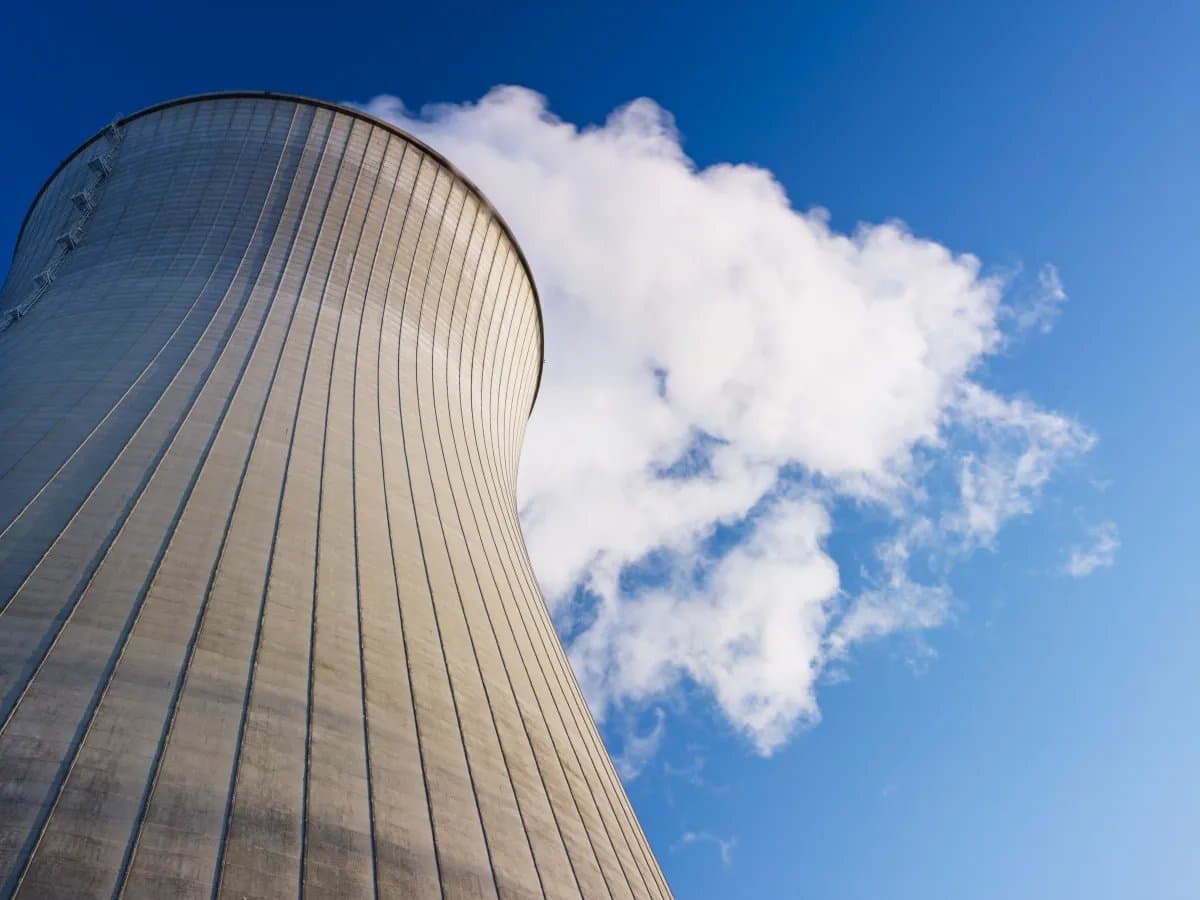
The US Nuclear Regulatory Commission has issued a construction permit for four of X-energy's Xe-100 small modular reactors at Dow's chemical plant in Seadrift, Texas. X-energy said it is the first such approval for an advanced nuclear reactor at an industrial site in the United States.
The permit, issued on Monday for the Long Mott Generating Station, is a test for an industry that hyperscalers and data centre developers are counting on for new power. Amazon led X-energy's $500 million Series C-1 through its Climate Pledge Fund and has committed to buy 5 gigawatts of capacity from the company. No small modular reactor is operating in the US yet.
Each Xe-100 is designed to produce 80 megawatts of electricity and 200 megawatts of heat, giving the four-unit plant 320 megawatts of electrical capacity. The reactors will supply steam and electricity to Dow's Seadrift Operations, with spare power going to the grid. The design passes helium gas over fuel pebbles containing uranium. X-energy says this makes it safer than many existing reactors.
The Breakthrough Institute, a pro-nuclear research group, said in a release that the permit is the NRC's first approval of a high-temperature gas-cooled reactor in nearly 60 years and the third construction permit for an advanced reactor issued in 2026. It said the approval also includes the agency's first sign-off on a pebble-bed core and a design that is refuelled while running.
The review moved faster than past nuclear licensing. Long Mott Energy, a wholly owned Dow subsidiary, filed the application on March 31, 2025. The NRC finished its safety evaluation in October, a month ahead of schedule, and issued the permit within its 18-month review timeline, according to the Breakthrough Institute. The regulator completed an environmental assessment in May with a finding of no significant impact, which meant no full environmental impact statement was needed. It also approved an emergency planning zone of 400 metres, compared with the 10-mile zone traditionally used for large light-water reactors.
Not everyone welcomed the speed. "The NRC only accomplished this feat by pushing consideration of critical safety questions to a later date—issues the NRC should've fully resolved before green lighting construction," Edwin Lyman, director of nuclear power safety at the Union of Concerned Scientists, said in a statement. The group has also disputed X-energy's safety claims.
The permit covers construction only. Dow will need a separate operating licence before the reactors can run, and X-energy says they will not be operational until the early 2030s. Proponents argue that smaller reactors can be built faster and more cheaply than conventional plants, but those advantages have yet to be shown, and the first units are likely to be expensive.
Investors have cooled on the company since its April initial public offering raised $1 billion. The permit lifted the shares on Monday, but only enough to recover last week's losses, according to TechCrunch, and the stock trades at less than half its offering price.
Sources
- TechCrunch · X-energy gets green light to build its first small modular nuclear reactors
- The Breakthrough Institute · RELEASE: NRC Issues Construction Permit for X-energy's Advanced Reactor Project in Texas
- World Nuclear News · Texas SMR plant moves to final permitting stage
Produced with AI assistance from the sources above. How we work
By
Nakoda News Desk
Nakoda News covers AI and business. Every story links the sources it draws on; how we work is set out in our editorial standards.
Related coverage
- Companies

Mercor Raises $750 Million at $20 Billion Valuation to Sell AI Agent Testing to Enterprises
4 hours ago · 2 min read
Companies Booz Allen Moves Its Defence and Cyber Software From Anthropic Models to Nvidia's Nemotron
5 hours ago · 2 min read
Companies OpenAI Tells Investors Third-Quarter Revenue Rose Nearly 50% to $10 Billion
5 hours ago · 2 min read
- Companies

CoreWeave Raises 2026 Forecast as Revenue Jumps 168% and Backlog Hits $132.5 Billion
5 hours ago · 3 min read
Companies OpenAI Buys AI Travel Agent Odessia and Hires Sonder Co-Founder Francis Davidson
7 hours ago · 3 min read