US Strikes Iran's Qeshm Island in Hormuz as Oil Edges Higher
US officials called the strikes defensive and part of a series of limited, unannounced actions, which came hours after President Trump said a deal with Tehran could happen.
By Nakoda News Desk
·2 min read
Prefer Nakoda News on Google
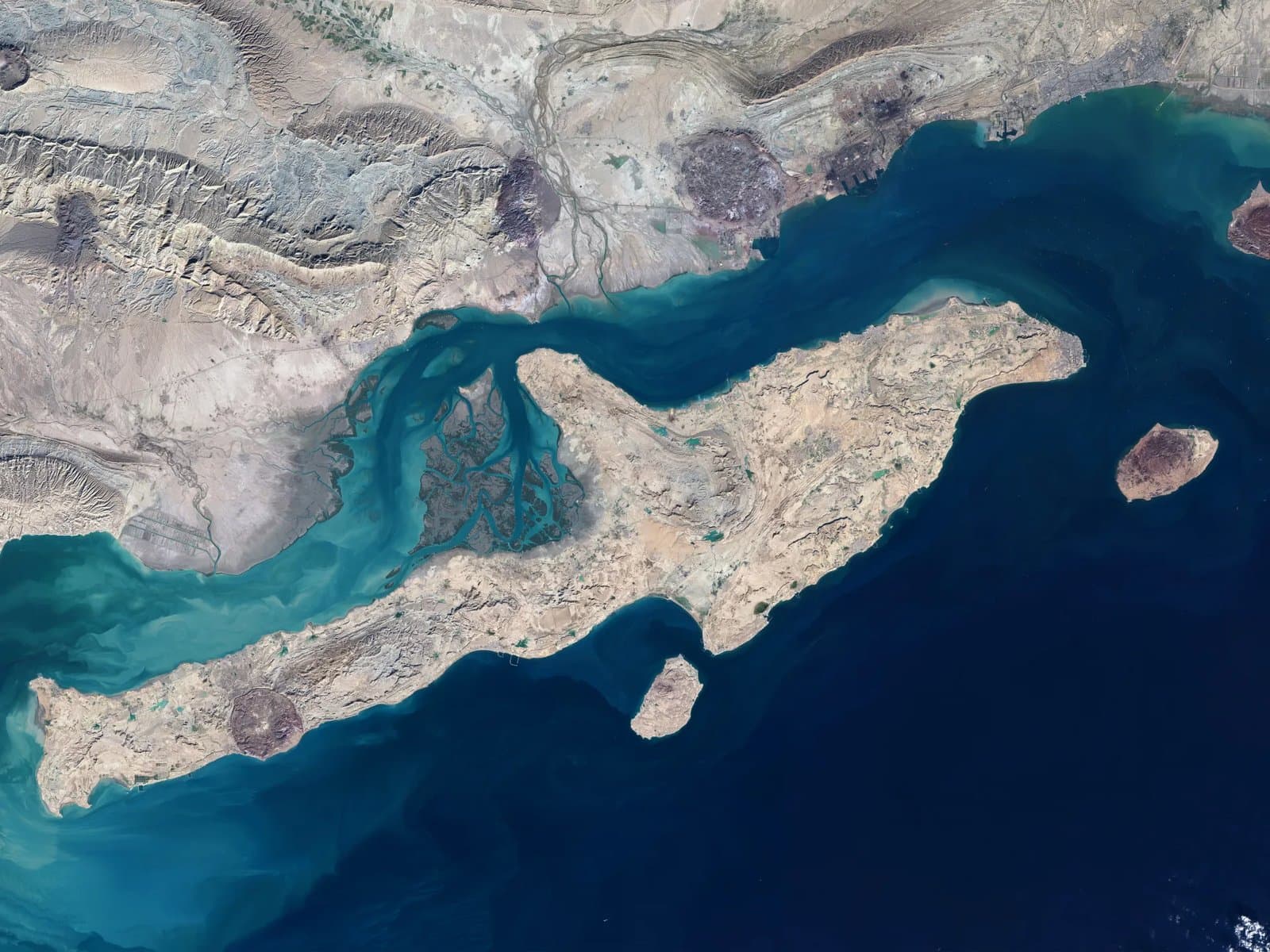
The US military struck Iran's Qeshm Island in the Strait of Hormuz late on Monday, according to multiple US media reports citing American officials. Oil prices rose in early Asian trading after the reports.
The Wall Street Journal first reported the strike, citing US officials. It described it as the latest in a series of limited strikes that Washington has carried out against Iran in recent weeks and kept quiet on purpose, so as not to signal a return to major combat operations. CNN, citing three US officials, also reported the strikes and called them defensive, meant to protect US assets in the region.
A US official quoted by the Associated Press said the targets were "Iranians using surface to air missiles against U.S. assets." Reporters for Fox News and Axios said the action responded to the Islamic Revolutionary Guard Corps (IRGC) firing at a US aircraft over the strait on Monday. Citing a US official, Fox News reporter Jennifer Griffin said the incident did not mark "the start of expanded strikes by the US", according to Al Jazeera.
Iran's state-owned IRNA news agency said several explosions were heard in rapid succession on Qeshm, the largest island in the strait, and that witnesses saw two planes overhead. The semi-official Fars news agency reported explosions in the port city of Bandar Lengeh, coming from the direction of the sea. Earlier on Monday, the IRGC said it had captured two US reconnaissance drones south of Qeshm using electronic warfare and had destroyed an MQ-9 drone east of the strait.
The Pentagon referred questions to US Central Command, which did not immediately respond to requests for comment, Gulf News and The National reported.
Market Reaction
According to The National, Brent crude futures rose 0.5 per cent to $105.25 a barrel in early Asian trade after the reports, and West Texas Intermediate also gained 0.5 per cent to $96.93. The move partly reversed Monday's sharp fall: Gulf News reported that oil dropped more than seven percent that day on hopes the conflict could end.
President Donald Trump had written on Truth Social on Monday that oil prices were "dropping like a rock" because people felt there would not be a war with Iran, and added: "Iran wants a settlement, as soon as possible. It could happen!" Asked whether he was considering strikes on Iran after Tuesday's midterm elections, he replied "no".
Diplomacy and the Strait
The strikes came as diplomatic efforts intensified. Iran's Foreign Ministry spokesman Esmaeil Baghaei said "the ball is in the US court". He said Tehran's plan to reopen the Strait of Hormuz had been condensed and could be carried out within two days if Washington met its conditions, Al Jazeera reported. Those conditions include lifting the US naval blockade of Iranian ports and ending hostilities.
The National said Washington and Tehran have been at war since February 28. Iran's blockade of the strait has sent energy prices sharply higher and disrupted shipping for Gulf producers.
Why It Matters
For Gulf businesses and investors, the episode shows how fragile the recent rally in peace expectations is. Energy executives gathered in Abu Dhabi for ADIPEC this week have put Hormuz disruption at the centre of the debate on energy security and logistics costs. Any sign that limited exchanges could escalate is likely to keep oil volatile and shipping and insurance costs high until there is a settlement that reopens the waterway.
Sources
- Al Jazeera · Explosions hit Iran’s Qeshm Island as US media report US strikes in Hormuz
- Gulf News · US strikes Iran's Qeshm island: Reports
- The National · US strikes Iran's Qeshm Island, reports say
Produced with AI assistance from the sources above. How we work
By
Nakoda News Desk
Nakoda News covers AI and business. Every story links the sources it draws on; how we work is set out in our editorial standards.
Related coverage
- Business

Condor Launches Daily Frankfurt to Abu Dhabi Flights Under Etihad Codeshare
3 hours ago · 1 min read
Business Construction Robotics Start-Ups Raise $1.6 Billion in 2026, Triple the Previous Record
4 hours ago · 3 min read
- Business

Dubai Access Club Offers Repeat Tourists a Five-Year Visa for Dh4,032.50
6 hours ago · 2 min read
Business UAE Central Bank Gives Interpolitan Money In-Principle Approval for Stored Value Licence
8 hours ago · 2 min read
Business Dubai Land Department Launches Rent Now, Pay Later Instalments With Emirates NBD
9 hours ago · 2 min read