Crew Internet on Offshore Platforms Opens New Cyber Risks for UAE Energy Operators
IEC Telecom's Alaa Alsadi says welfare internet for workers at sea must be kept separate from the networks that run critical offshore equipment.
By Nakoda News Desk
·2 min read
Prefer Nakoda News on Google
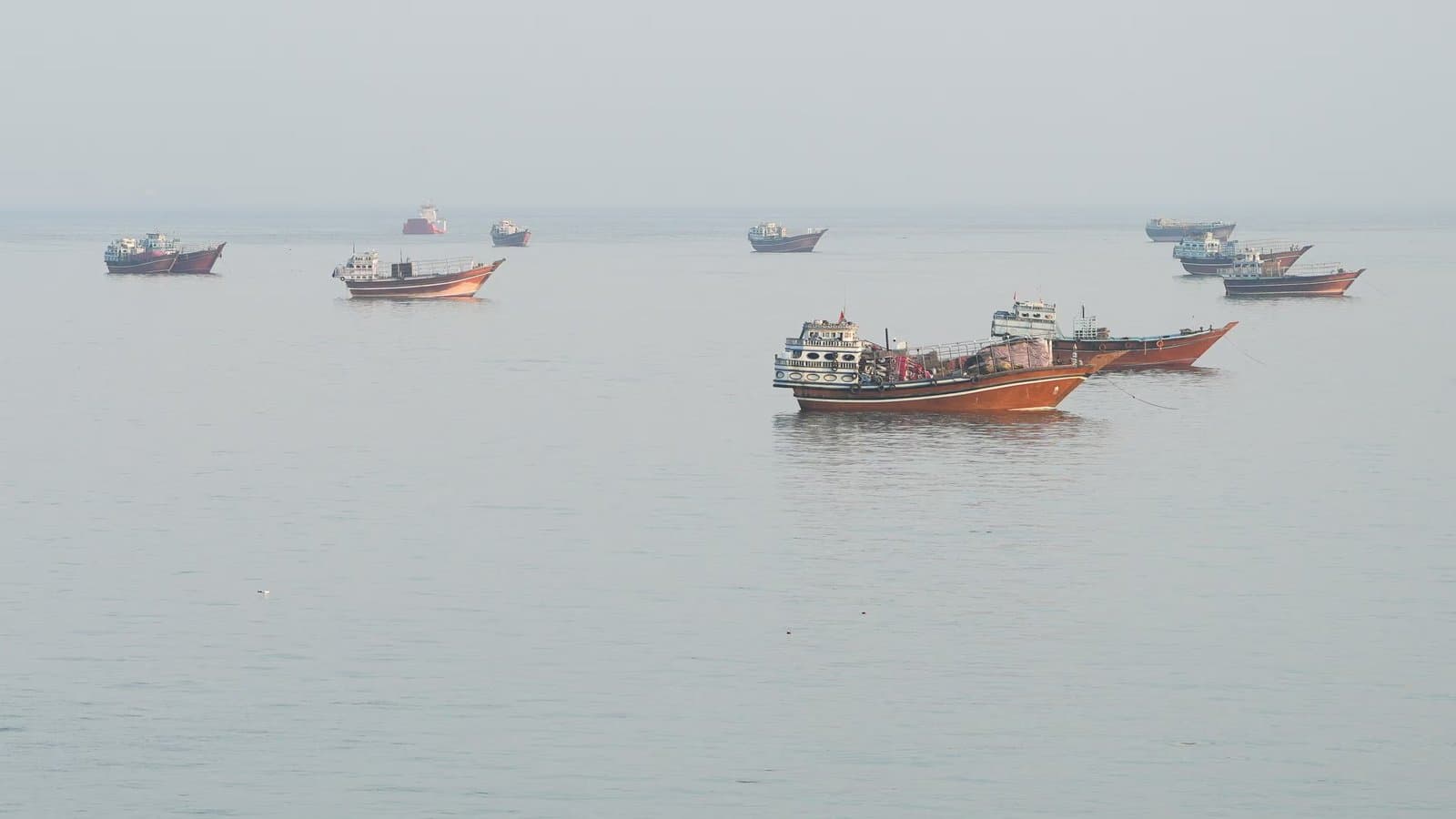
Oil and gas operators in the UAE need to wall off the internet service they give offshore crews from the networks that control production equipment, or risk handing attackers a way in, according to an executive at satellite communications provider IEC Telecom.
Alaa Alsadi, the company's group vice president of energy and chief operating officer for the Middle East, told The National at ADIPEC in Abu Dhabi this week that connectivity on platforms used to be almost entirely for operations. Over the past five or six years, he said, operators have added internet access for crews as a "welfare system", letting workers who spend months at sea make video calls and use social media. "The more you are connected, the more you are online, the more you need to take care of your connectivity and your infrastructure from cyber attacks," he said.
The exposure is growing because energy companies are relying more on AI, remote monitoring and connected equipment to run offshore assets, which makes those links essential to daily operations. Alsadi said operators were putting more weight on cyber security training and awareness for staff, describing "a new big demand on cyber security".
Pressure to keep crews online is also coming from regulators. Amendments to the International Labour Organisation's Maritime Labour Convention that came into force in December 2024 include provisions for seafarers to have social connectivity on board. Guidance published in March 2026 by the UK's Maritime and Coastguard Agency said access to messaging apps, email and social media could ease loneliness among workers away for long periods, while warning that less secure connections give cyber criminals openings.
Energy companies in the region have already been hit. Positive Technologies reported in September that a ransomware group had compromised a business providing drilling and production services to the oil and gas industry in Saudi Arabia, and Palo Alto Networks identified four waves of attacks against a Middle Eastern energy and marine services company between August 2025 and February 2026. In August, the UAE Cyber Security Council said national teams had detected and contained organised attacks on the energy, aviation and education sectors before they could disrupt vital systems. The National has reported that the UAE faced 640,000 attacks in a single day in September, with the country's cyber security chief, Dr Mohamed Al Kuwaiti, saying Iran remained "one of the main players".
Breaches are costly. IBM put the average cost of a data breach in the Middle East's energy and industrial sectors at about $8.5 million in 2025. Its latest report found breaches across the wider industrial sector cost an average of $9.6 million in 2026, and that 26 per cent of malicious breaches in the region involved the use of AI.
Outages are the other worry. Alsadi said a loss of connectivity at facilities that run around the clock translates directly into financial losses. Platforms usually have backup links, but older systems can be slow to switch between networks and may struggle with a rising number of connected applications. IEC Telecom says it has spent five years developing technology that detects a failing connection and moves traffic automatically to an alternative network, with the aim of cutting disruptions from minutes to seconds. During a switch, essential services get priority and less critical internet use can be restricted.
Sources
- The National · Keeping offshore workers connected to their families can expose oil and gas platforms to cyber risks
Produced with AI assistance from the sources above. How we work
By
Nakoda News Desk
Nakoda News covers AI and business. Every story links the sources it draws on; how we work is set out in our editorial standards.
Related coverage
- Business

Dubai Access Club Offers Repeat Tourists a Five-Year Visa for Dh4,032.50
5 hours ago · 2 min read
Business UAE Central Bank Gives Interpolitan Money In-Principle Approval for Stored Value Licence
8 hours ago · 2 min read
Business Dubai Land Department Launches Rent Now, Pay Later Instalments With Emirates NBD
9 hours ago · 2 min read
- Business
Iran's Revolutionary Guard Says Two Tankers and a Tugboat Caught Fire in Hormuz
10 hours ago · 2 min read
Business AI Shopping Agents Threaten the Retail Ad Networks of Amazon and Walmart
12 hours ago · 2 min read