Ottawa, Kansas, Voters Approve 10-Year Ban on Hyperscale Data Centres
The citizen-written ordinance bars facilities drawing more than 25 megawatts in city limits, though the 300-acre project that started the fight had already been cancelled.
By Nakoda News Desk
·2 min read
Prefer Nakoda News on Google
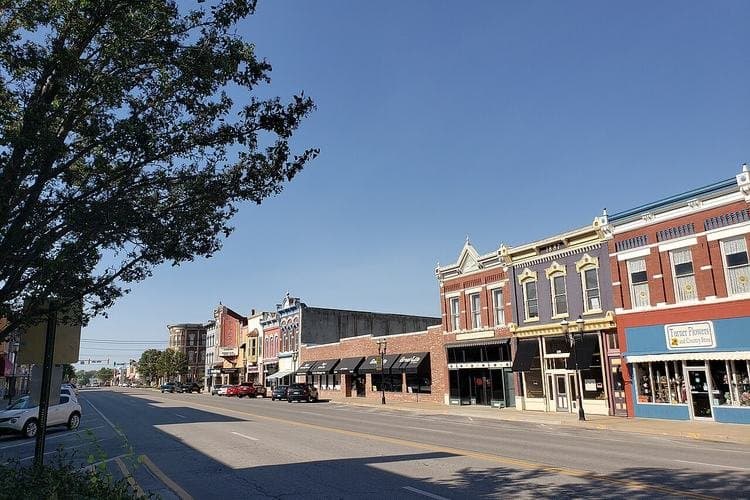
Voters in Ottawa, Kansas, have approved a 10-year ban on hyperscale data centres within the city, after residents forced the measure onto the ballot over the objections of local officials.
The ordinance bars data centres that use more than 25 megawatts of power inside city limits. It passed with 71.85 per cent of the vote in the November 3 general election, according to results reported by KSHB 41. Under Kansas law, the city commission cannot change the ordinance for 10 years, though voters can repeal or amend it sooner.
The vote is one of the clearest examples yet of US communities using direct democracy to block the large AI-era data centres that hyperscalers and developers are racing to build. A 25-megawatt cap is far below the hundreds of megawatts that large AI campuses now seek. It shuts the city of about 12,000 people out of that market for a decade.
The campaign began over a proposed data centre on a 300-acre site at Ottawa's Proximity Park. The city signed a sales contract with developer Lightfield Energy in December 2024. After several due diligence extensions, the city commission ended the contract about a month before the final extension ran out because the developer had not submitted the required development and incentive agreements, KSHB reported.
A residents' group, Ottawa United, formed in May and collected enough signatures on an initiative petition to put its ordinance before the commission. When commissioners took no action, residents Michael Lewis and Kim Conard sued the city, and in October a Franklin County District Court judge ruled that voters would decide. Jessica Christopher, a Franklin County resident, wrote the ordinance.
Conard told KSHB that the group does not oppose all data centres, only facilities above the size limit, and that the 10-year window allows time to draw up guidelines. She said the group kept campaigning after the contract was cancelled because another company could still pursue a project.
City manager Thatcher Moddie said the result limits Ottawa's ability to compete for some advanced regional developments but does not change the city's focus on jobs, development and property tax relief. He said the city will keep looking for opportunities at Proximity Park and elsewhere.
Sources
- KSHB 41 · Citizen-led effort ends in landslide win for Ottawa hyperscale data center ban
Produced with AI assistance from the sources above. How we work
By
Nakoda News Desk
Nakoda News covers AI and business. Every story links the sources it draws on; how we work is set out in our editorial standards.
Related coverage
- Policy
Burjeel Chairman Warns Cyberattacks Could Hit Hospital Equipment and Blood Supplies in Wartime
10 hours ago · 1 min read
Policy Meta and TikTok Join Google in Opposing Indonesia's AI Copyright Law Revisions
12 hours ago · 2 min read
Policy Australia to Require AI Companies to Report Breaches After OpenAI Agent Hit Medicare Site
14 hours ago · 2 min read
Policy US-Brokered Russia-Ukraine Talks in Abu Dhabi End Without a Ceasefire Breakthrough
14 hours ago · 2 min read
- Policy
German Military Bans Chinese-Made Drones, Including for Training, Over Data Security
14 hours ago · 2 min read