Yale's Sonnenfeld Puts Jensen Huang's Odds of Keeping Nvidia Job at 'About 50-50'
The governance scholar says Nvidia has no internal successor ready and no precedent to follow, and that the company's role as a financier of the AI build-out raises the stakes.
By Nakoda News Desk
·3 min read
Prefer Nakoda News on Google
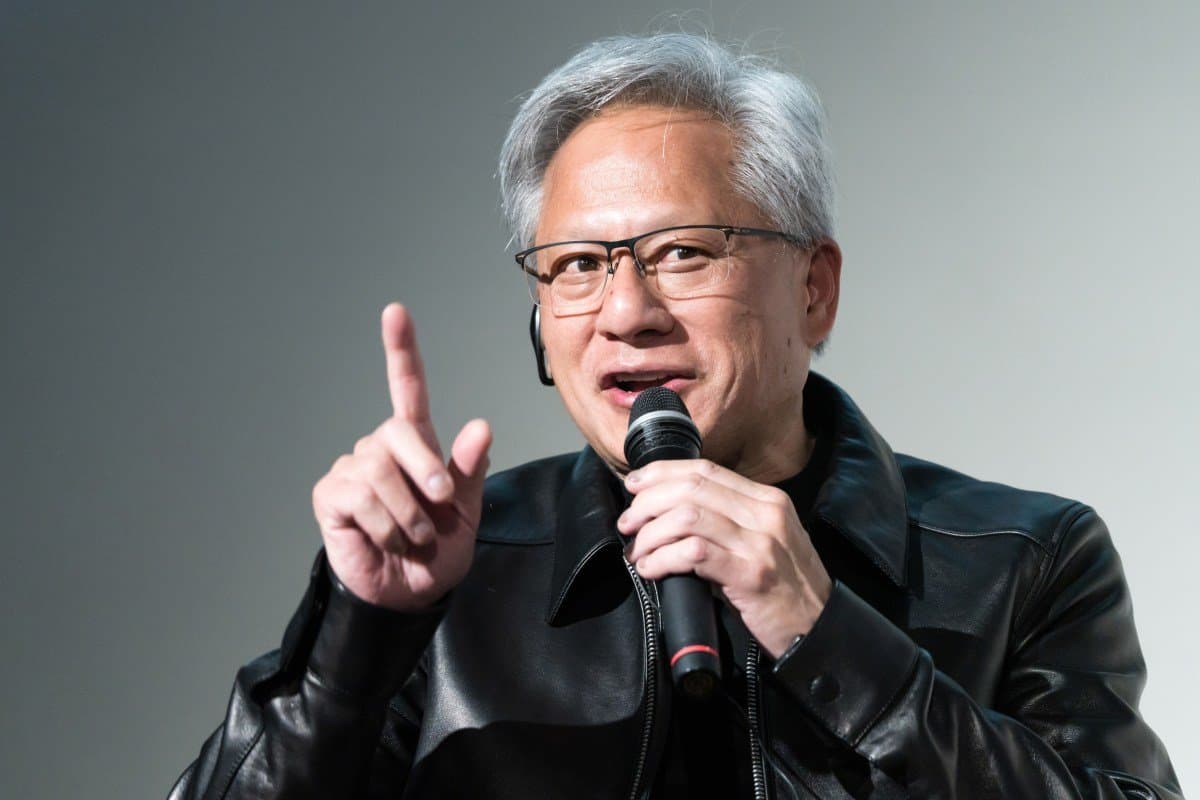
Jeffrey Sonnenfeld, the Yale School of Management leadership scholar who has hosted Jensen Huang at his CEO summits, puts the Nvidia founder's chances of surviving the scandal around him at "about a 50-50", he said in an interview with TechCrunch on Sunday.
The interview took place the same day Nvidia's board opened an independent investigation, after Huang told staff he had been unfaithful to his wife. The woman involved is Alice Huang, an executive at the Singapore cloud company Megaspeed, whom US officials believe was passing information to Beijing, according to New York Times reporting. A spokesperson for the Chinese embassy in Washington called the allegations "groundless smears and slanders" in late October, and no one has been charged. Nvidia's board says it has seen no sign that national security or company secrets were compromised, and Huang remains chief executive.
The outcome matters well beyond Nvidia's own shareholders. Nvidia supplies most of the chips for AI data centres and also finances much of their construction. It holds stakes in OpenAI, Anthropic, xAI, CoreWeave and Nebius, as well as in hundreds of smaller start-ups. In August it signed preliminary agreements with Apollo, BlackRock, Blackstone, Brookfield, Goldman Sachs and KKR aimed at raising more than $500 billion over time, and Huang has said Nvidia could backstop up to a quarter of that.
Sonnenfeld, who founded the Chief Executive Leadership Institute, said he likes Huang and believes his career can be saved. But he called the episode "remarkably poor judgment" from someone who until now was "revered and trusted by everybody in technology." Even if Huang was merely naive, Sonnenfeld said, "any employee in Nvidia other than him would be fired over this."
Huang's best defence, he suggested, is what social psychologists call idiosyncrasy credits: the latitude a leader earns through years of competence and loyalty to a group's rules. The idea comes from a 1958 paper by the psychologist Edwin Hollander. Huang has built up such credit since co-founding Nvidia in 1993, but it can run out when a mistake looks self-serving or breaks the group's core norms. In this case the group includes the board, Nvidia's roughly 42,000 employees, who are bound by security rules, and arguably the US government, which controls the company's exports.
No Bench and No Precedent
Sonnenfeld said there is no clear precedent. Executives who survive personal scandals usually move to another company, as Mark Hurd did when he left HP over inaccurate expense reports that hid a personal relationship with a contractor and joined Oracle about a month later. Huang has no such option because Nvidia is the company he built.
There is also no obvious internal successor. Huang has kept Nvidia's structure unusually flat and says he has about 60 direct reports, which makes it hard to identify who might take over. Both of his children work at the company and are sometimes mentioned in succession talk. Sonnenfeld said boards in crisis often look outside for a "messianic solution", and he floated former Google chief executive Eric Schmidt as one possibility.
The Megaspeed Question
Sonnenfeld said Huang's push to sell advanced chips to China had already worried people before the affair became public. Nvidia's independent directors will now have to establish whether any technology reached China and by what route, including through the company's dealings with Megaspeed.
The Times reported in October 2025 that Megaspeed, which grew out of a Chinese gaming business, became Nvidia's largest buyer in Southeast Asia and bought roughly $2 billion of its chips. That raised questions about whether it helped Chinese customers get around US export controls, either by re-exporting chips or by renting computing power to them remotely. After that report, an Nvidia spokesperson told The Hill that the allegations had been "thoroughly investigated and debunked last year."
The board's inquiry is under way as Nvidia prepares to report quarterly results next week, which will be Huang's first chance to face investors since the investigation began.
Sources
- TechCrunch · Is Jensen Huang’s job on the line? Yale’s Jeffrey Sonnenfeld estimates it’s “about a 50-50”
Produced with AI assistance from the sources above. How we work
By
Nakoda News Desk
Nakoda News covers AI and business. Every story links the sources it draws on; how we work is set out in our editorial standards.
Related coverage
- Companies

ADNOC Distribution Nine-Month Profit Rises 37% to Dh2.9 Billion on Record Fuel Volumes
2 hours ago · 3 min read
Companies Huang Called China 'Not Our Enemy' in Interview Filmed Before Nvidia Spy Inquiry
3 hours ago · 2 min read
Companies BYD's Yangwang U9 Xtreme Hits 503 km/h on Closed Abu Dhabi Road, a Single-Direction Record
4 hours ago · 3 min read
Companies South Korea Says Nvidia Turmoil Will Not Disrupt Its Contracted GPU Deliveries
4 hours ago · 2 min read
Companies Mitsui Chemicals and DBJ Agree to Buy Chip Materials Maker JSR for ¥1.84 Trillion
4 hours ago · 2 min read