Standard Chartered's SC Ventures Says It Built More Than 10 Ventures in the UAE in Under Three Years
Speaking at Dubai Future Finance Week, executives from SC Ventures, Payten and Avaloq described how AI is moving into payments and wealth management, and said banks must stay accountable for what AI agents do.
By Nakoda News Desk
·2 min read
Prefer Nakoda News on Google
SC Ventures, the innovation and venture-building arm of Standard Chartered, has set up more than 10 ventures headquartered in the UAE in about two and a half years, its Middle East lead told the Emirates News Agency (WAM) on the second day of Dubai Future Finance Week.
Mohamed Fairooz said the UAE ventures account for a large share of the more than 33 that SC Ventures has created worldwide. He said the company had not achieved anything comparable in any of its other markets in so short a time. The UAE businesses focus on digital banking, digital assets, support for small and medium-sized enterprises, and financial inclusion.
Fairooz said the UAE has become one of the company's most important operating hubs worldwide and a base for expanding into regional markets. He credited specialised talent, clear regulatory frameworks and government strategy. SC Ventures pairs venture building with investment in strategic partners, he said, and the UAE meets all the criteria the company looks at before it enters a new market.
Payments Built on National Rails
Saad Karim, global chief executive of fintech company Payten, said the firm holds four main licences from the Central Bank of the UAE and has operated in the country since 2023. Worldwide, he said, Payten holds five regulatory licences and is in talks with 16 regulators.
Karim said Payten is building an alternative digital payments system in the UAE linked to local infrastructure, including the Aani instant payment platform and the Jaywan domestic card scheme. QR-code payments let merchants and small businesses receive funds immediately instead of waiting several days for settlement. He said this can cut transaction costs and improve cash flow.
He described AI as central to faster payment processing, spotting suspicious transactions, fighting fraud and assessing risk in real time. These tools must be built into financial infrastructure and regulatory controls, he said. He added that as AI agents are increasingly used to carry out payments, responsibility for transactions must stay with financial institutions. That means setting limits on what such systems are allowed to do and putting clear frameworks in place to protect customers.
AI as Support for Wealth Advisers
Akash Anand, managing director for the Middle East, Africa and India at Swiss banking software company Avaloq, said the firm has done well since opening at the Dubai International Financial Centre about two years ago. WAM's Arabic report says Avaloq serves 37 countries. It builds software for banking, private banking, wealth management and asset management, and is adding AI to help relationship managers give more accurate advice.
Anand said AI should support human expertise in wealth management, not replace it. He named cyber threats as one of the biggest challenges for banks worldwide and said AI should be used inside banks' formal policies and controls, not by individual staff on their own. Banks must stay responsible for the advice their clients receive, he said.
Why It Matters
The comments add to a week of signals about the UAE's push in financial technology. The DIFC says 70% of firms in the centre now use AI, and banks in the country are building AI into fraud and payments systems. The executives' focus on accountability for AI agents mirrors a wider debate among regulators and banks over who is liable when software, not a person, starts a financial transaction.
Sources
- Emirates News Agency · UAE leads AI-driven development of financial services
- وكالة أنباء الإمارات · مسؤولو شركات عالمية: الإمارات تقود تطوير الخدمات المالية بالذكاء الاصطناعي
Produced with AI assistance from the sources above. How we work
By
Nakoda News Desk
Nakoda News covers AI and business. Every story links the sources it draws on; how we work is set out in our editorial standards.
Related coverage
- Business
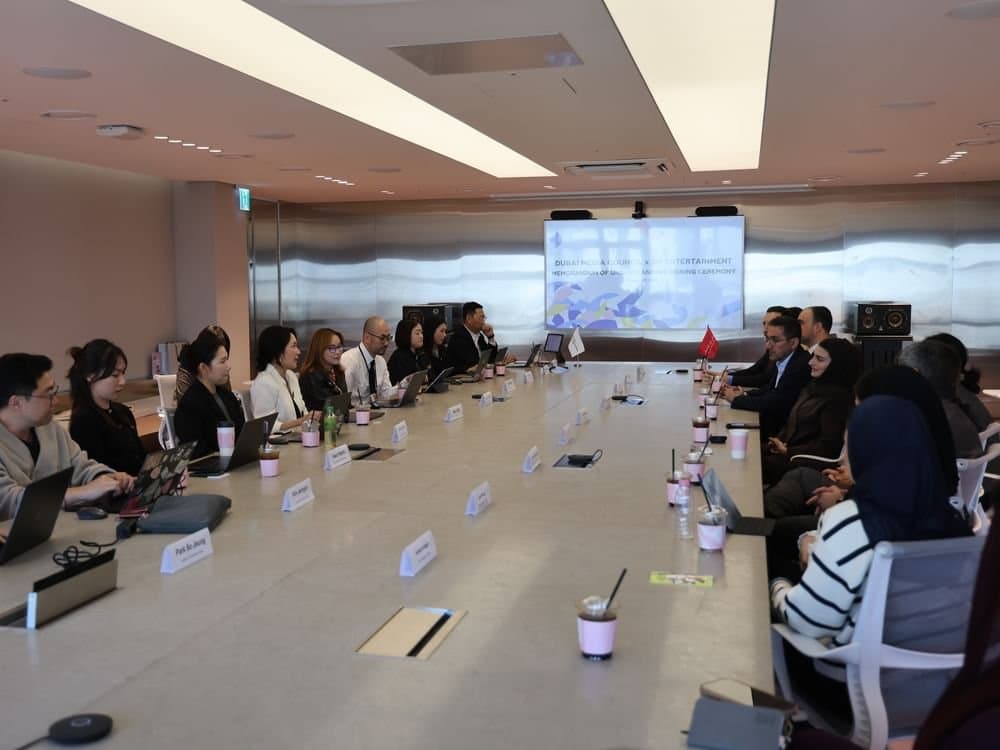
Dubai Media Council Signs Deals With SM Entertainment and Gaming Firm NEXUS in Seoul
1 hour ago · 2 min read
Business Al Fardan Chief Says Agentic AI Banking Platform Is in Final Security Checks
3 hours ago · 2 min read
- Business

Crew Internet on Offshore Platforms Opens New Cyber Risks for UAE Energy Operators
3 hours ago · 2 min read
- Business

Condor Launches Daily Frankfurt to Abu Dhabi Flights Under Etihad Codeshare
4 hours ago · 1 min read
Business Construction Robotics Start-Ups Raise $1.6 Billion in 2026, Triple the Previous Record
5 hours ago · 3 min read