Saudi Arabia Posts SR84.3 Billion Third-Quarter Deficit as Oil Revenue Falls 23%
Non-oil revenue rose 20% in the quarter, but financing costs and subsidies climbed sharply, taking the nine-month shortfall to SR244.3 billion against a full-year estimate of SR165.4 billion.
By Nakoda News Desk
·2 min read
Prefer Nakoda News on Google
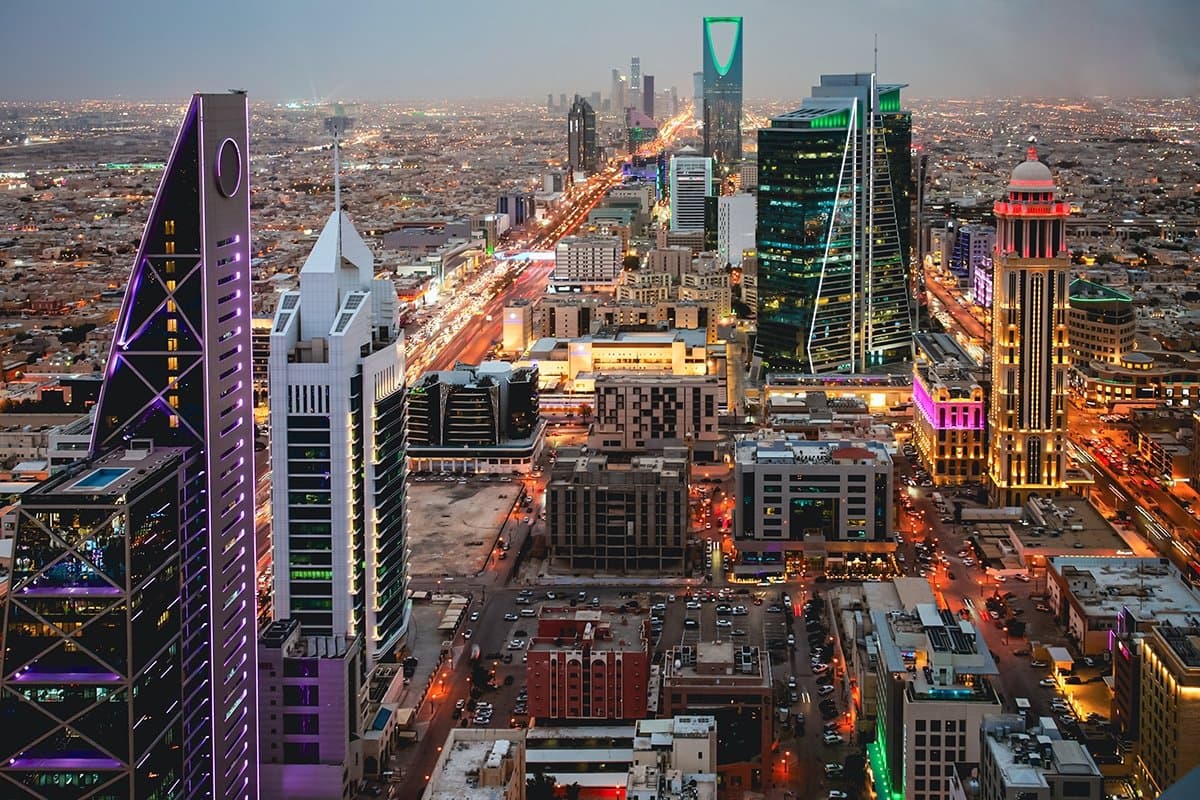
Saudi Arabia recorded a budget deficit of SR84.3 billion ($22.38 billion) in the third quarter of 2026, according to the Ministry of Finance's quarterly budget performance report released on Tuesday and reported by Arab News.
Government revenue for the three months was SR259.1 billion, while spending reached SR343.4 billion. Oil revenue fell 23 percent from a year earlier to SR116.5 billion, down from SR150.8 billion. Non-oil revenue rose 20 percent to SR142.6 billion, overtaking oil income for the quarter.
Nine-Month Picture
The quarter took the cumulative deficit for the first nine months of the year to SR244.3 billion. Revenue over that period was SR858.9 billion, up 3 percent year on year, while spending rose 8 percent to SR1.10 trillion.
Oil revenue for the nine months was SR446.3 billion, down 1 percent from SR452.4 billion in the same period of 2025. Non-oil revenue rose 8 percent to SR412.5 billion from SR382.7 billion. Within that, other revenues rose 22 percent to SR102 billion, taxes on goods and services increased 4 percent to SR229.3 billion, and taxes on income, profits and capital gains rose 6 percent to SR28.6 billion.
Spending Pressures
On the expenditure side, financing costs rose 38 percent to SR54.8 billion over the nine months and subsidies jumped 49 percent to SR41.7 billion. Capital expenditure on non-financial assets increased 17 percent to SR137.6 billion. Employee compensation remained the largest item at SR435.8 billion, up 1 percent, and spending on goods and services rose 8 percent to SR239.8 billion.
By sector, health and social development received the largest share at SR230.8 billion, followed by military spending at SR187.5 billion and education at SR159.3 billion.
The Full-Year Gap
The ministry estimates full-year 2026 revenue at SR1.147 trillion and spending at SR1.313 trillion, giving an annual deficit of SR165.4 billion. The nine-month deficit is already well above that figure, and the report summary did not explain how the gap would be closed in the final quarter. In its pre-budget statement in September, the ministry projected a 2027 deficit of SR191 billion, equal to 3.6 percent of GDP. Forbes Middle East reported the quarterly figure as about $22.5 billion and described the deficit as narrowing, but its full report was not available to confirm the comparison.
Why It Matters
The figures show the kingdom continuing to borrow and spend heavily on capital projects while oil income weakens, even as non-oil revenue grows. The 38 percent rise in financing costs reflects heavier debt use. That matters for investors watching Saudi Arabia's large technology and AI programmes, including the spending linked to HUMAIN, the PIF-owned AI company in which Aramco this week completed a $2.6 billion deal for a 49% stake. The rise in non-oil revenue supports the government's economic diversification strategy, but the widening gap between spending and income suggests more borrowing and tighter choices over which projects to fund in 2027.
Sources
- Arab News · Saudi Arabia posts $22.38bn budget deficit in Q3
- Forbes Middle East · Saudi Arabia’s Q3 Budget Deficit Narrows To $22.5B
Produced with AI assistance from the sources above. How we work
By
Nakoda News Desk
Nakoda News covers AI and business. Every story links the sources it draws on; how we work is set out in our editorial standards.
Related coverage
Markets Dubai Property Sales Reach Dh35 Billion in October as Rental Contracts Head for Record
4 hours ago · 2 min read
Markets Bank of England Raises Rates to 4% in First Increase Since 2023
5 hours ago · 3 min read
Markets Nikkei Falls 1.8% as Advantest and Tokyo Electron Slump on US AI Spending Fears
5 hours ago · 2 min read
Markets Taiwan Stocks Fall 3.2% and Break Below 42,000 on US AI Regulation Fears
8 hours ago · 2 min read
- Markets
South Korean Defence Stocks Lose Nearly Two-Thirds of Peak Value as Drones Reshape Demand
8 hours ago · 2 min read