Valve and Picnik Veterans Launch Playful to Let Non-Programmers Build Apps With AI
The service turns a few prompts into shareable web apps and games, charging $10 a month once a 30-day free period ends.
By Nakoda News Desk
·2 min read
Prefer Nakoda News on Google
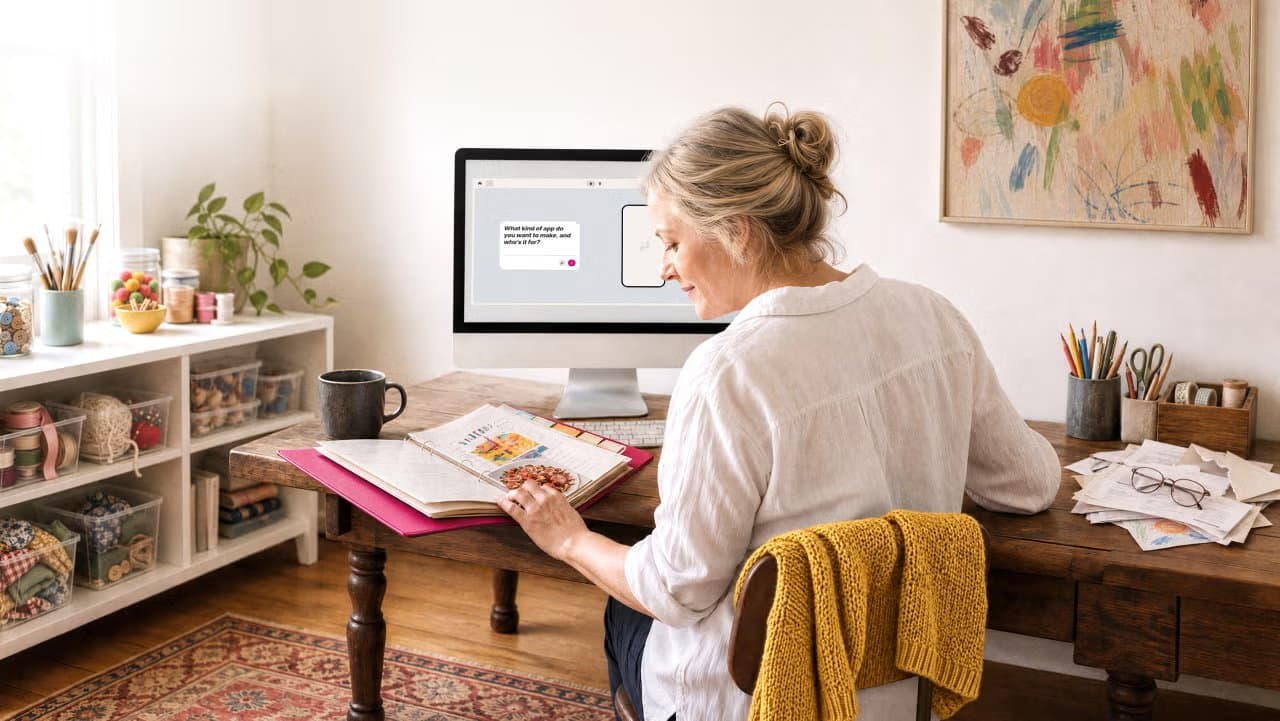
Playful, a start-up founded by the team behind the photo editor Picnik, has launched an AI app builder for people who have never written code. It turns a short conversation into web-based apps and games that users can add to their phones and share with friends.
The company is going after a different market from coding tools such as Cursor and Replit, which are built mainly for professional developers and businesses. "It's for an audience that is less technical, for an audience that until recently didn't even understand that they could make apps," co-founder Harrington told Fast Company.
Users can build up to two apps for free and run them for up to 30 days. After that, Playful puts the apps to sleep unless the user pays a $10 monthly subscription.
Harrington and his co-founder Massena worked together on Microsoft Bob. They later sold Picnik to Google, and Harrington also co-founded Valve Software, the maker of Half-Life. GeekWire has identified the pair as Mike Harrington and Darrin Massena. They started the company in 2023 as Hatch, a no-code platform for building web apps, and moved to AI once they saw that language models could make app creation far more accessible. Harrington said Picnik reached 60 million monthly unique visitors, about 85% of them women, and that the founders see a similar underserved audience for apps.
Instead of building straight from the first prompt, Playful asks follow-up questions about which features matter and how the app will be used. It runs on a mix of large language models. According to the founders, it has more specific training than general-purpose chatbots on turning requests into apps, and it handles data storage itself, so users do not have to choose a database or hosting service. Apps can include AI features such as summarisation, and the company says support for connecting email and calendars is coming.
The apps are web-based, so they run on any device without going through an app store. Creators can share an app by link or email, and recipients get updates automatically. Others can take their own copy with separate data, or remix the app to change it. Massena told Fast Company that he expects shared, editable apps to become "the new normal for apps", replacing the take-it-or-leave-it model of conventional app stores.
The product is not yet reliable. When Fast Company used it to build an audio transcription app, the first version crashed to a blank screen and then imposed a 20-minute recording limit. Several rounds of fixes were needed, and speaker labelling never worked well. The founders said early testers had built a spreadsheet editor for personal finance and a video editing and captioning tool.
Playful joins a crowded field of consumer app builders. The best-known rival, Wabi, raised $20 million last year to become what it called the "YouTube of apps", then raised another $55 million after shifting towards an app-powered personal AI agent. Playful has not disclosed any outside funding.
Sources
- Fast Company · Playful wants the masses to start vibe coding
- GeekWire · Darrin Massena
Produced with AI assistance from the sources above. How we work
By
Nakoda News Desk
Nakoda News covers AI and business. Every story links the sources it draws on; how we work is set out in our editorial standards.
Related coverage
- Products

ElevenLabs Lets Users Publish AI-Generated Music Directly to SoundCloud
2 hours ago · 2 min read
- Products

Box Builds Nvidia's Nemotron Embeddings Into New Retrieval System for AI Agents
3 hours ago · 2 min read
Products Discord Rebuilds Its Desktop and Mobile Apps in Rust, Dropping Electron
3 hours ago · 2 min read
Products Anthropic Loosens Claude Code Rule That Blocked Projects Referencing Existing Games
4 hours ago · 2 min read
Products ENOC Opens ZOOM Store With Amazon's Just Walk Out Checkout in Dubai
6 hours ago · 1 min read