Bahrain's Mumtalakat and ARP Group Plan AI-Native Wholesale Bank
The Central Bank of Bahrain has granted in-principle approval, but the partners have not named products, a launch date or an investment amount.
By Nakoda News Desk
·2 min read
Prefer Nakoda News on Google
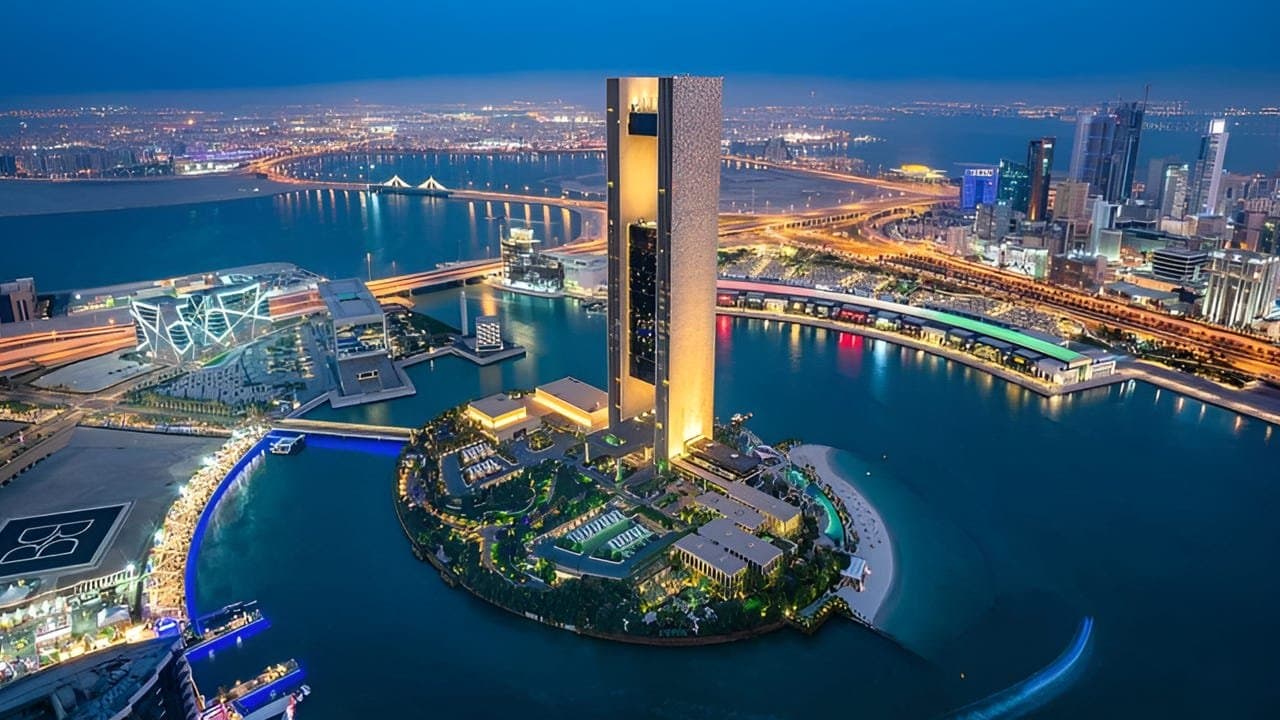
Bahrain's sovereign wealth fund is backing a new wholesale bank that its founders say will be built around artificial intelligence from the start. It is the latest Gulf attempt to create a bank without the older technology that weighs on incumbents.
Bahrain Mumtalakat Holding Company and ARP Group said they have partnered to set up an AI-native, blockchain-enabled wholesale bank headquartered in the kingdom. The announcement, dated November 2 in Manama, came on the sidelines of the Gateway Gulf 2026 investment forum. The Central Bank of Bahrain has granted in-principle approval, but the bank will begin regulated activities only after it receives final authorisation, the partners said. They gave no timeline for that step, and the announcement names no products, launch date or investment amount.
ARP Group is the holding company of ARP Global Capital, an alternatives asset manager founded in 2018, and ARP Digital. ARP Digital works on stablecoin-based settlement infrastructure and has signed a partnership with Bank of Bahrain and Kuwait to expand cross-border settlement, Gulf News reported. According to Middle East AI News, Yusuf Alireza co-founded ARP Digital with Abdulla and Abdulaziz Kanoo.
Who the Bank Will Serve
The proposed bank will serve regulated financial institutions, payment companies and businesses that operate across borders. The partners said it would use AI throughout its operations and offer programmable services that connect directly to clients' systems through application programming interfaces. Human oversight, governance and risk controls will sit alongside the AI. Products will be introduced in phases, based on talks with prospective clients.
"Institutional clients with complex cross-border needs still face fragmented banking services," said Yusuf Alireza, chairman of ARP Group. Shaikh Abdulla bin Khalifa Al Khalifa, chief executive of Mumtalakat, said: "Financial services have long been a cornerstone of Bahrain's economy."
Mumtalakat was founded in 2006 to manage 29 commercial assets for the Bahraini government. It now holds stakes in more than 60 local and international companies across 12 sectors, Middle East AI News reported. The fund has backed digital banking before: it invested in Singapore Gulf Bank, a Bahrain-based digital bank, alongside Whampoa Group.
An Undefined Category
The partners present the venture as a bank designed around AI, not an existing lender adding AI to old systems. Middle East AI News noted that the banking industry has not yet agreed on what makes a bank AI-native. That will make the venture hard to compare with rivals until it starts operating.
Other Gulf projects use the same label. In January 2026, Abu Dhabi-based Islamic digital bank Mal closed a $230 million seed round led by BlueFive Capital, which was billed as the largest seed round in Middle East and Africa history. Mal is preparing to launch in 2026.
For Bahrain, the project supports its effort to compete with larger Gulf financial centres by attracting fintech and digital asset businesses under its central bank's licensing regime. Whether the bank becomes a real competitor in cross-border wholesale banking depends on final authorisation and on the products it eventually offers, and neither has been set out yet.
Sources
- Middle East AI News · Bahrain plans AI-native wholesale bank
- PR Newswire via The Manila Times · On the Sidelines of Gateway Gulf 2026: Mumtalakat and ARP Group partner to establish an AI native wholesale bank in Bahrain
- Gulf News · ARP Digital, BBK announce strategic partnership to expand cross-border settlement infrastructure
- TradeArabia · Bahrain's Mumtalakat invests in Singapore Gulf Bank
Produced with AI assistance from the sources above. How we work
By
Nakoda News Desk
Nakoda News covers AI and business. Every story links the sources it draws on; how we work is set out in our editorial standards.
Related coverage
- Business
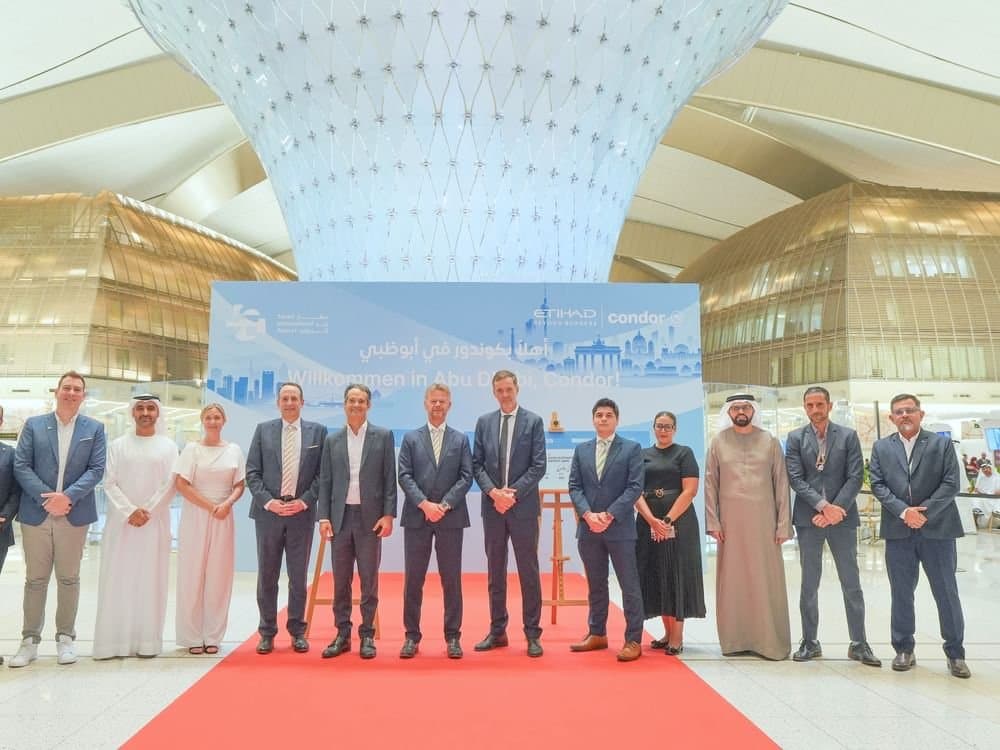
Condor Launches Daily Frankfurt to Abu Dhabi Flights Under Etihad Codeshare
3 hours ago · 1 min read
Business Construction Robotics Start-Ups Raise $1.6 Billion in 2026, Triple the Previous Record
4 hours ago · 3 min read
- Business

Dubai Access Club Offers Repeat Tourists a Five-Year Visa for Dh4,032.50
6 hours ago · 2 min read
Business UAE Central Bank Gives Interpolitan Money In-Principle Approval for Stored Value Licence
8 hours ago · 2 min read
Business Dubai Land Department Launches Rent Now, Pay Later Instalments With Emirates NBD
9 hours ago · 2 min read