Meta President Says Midterm Results Will Make Data Centres Harder to Build
Dina Powell McCormick said the industry had failed to explain the benefits of its projects, and that public unease about AI is behind local opposition.
By Nakoda News Desk
·2 min read
Prefer Nakoda News on Google
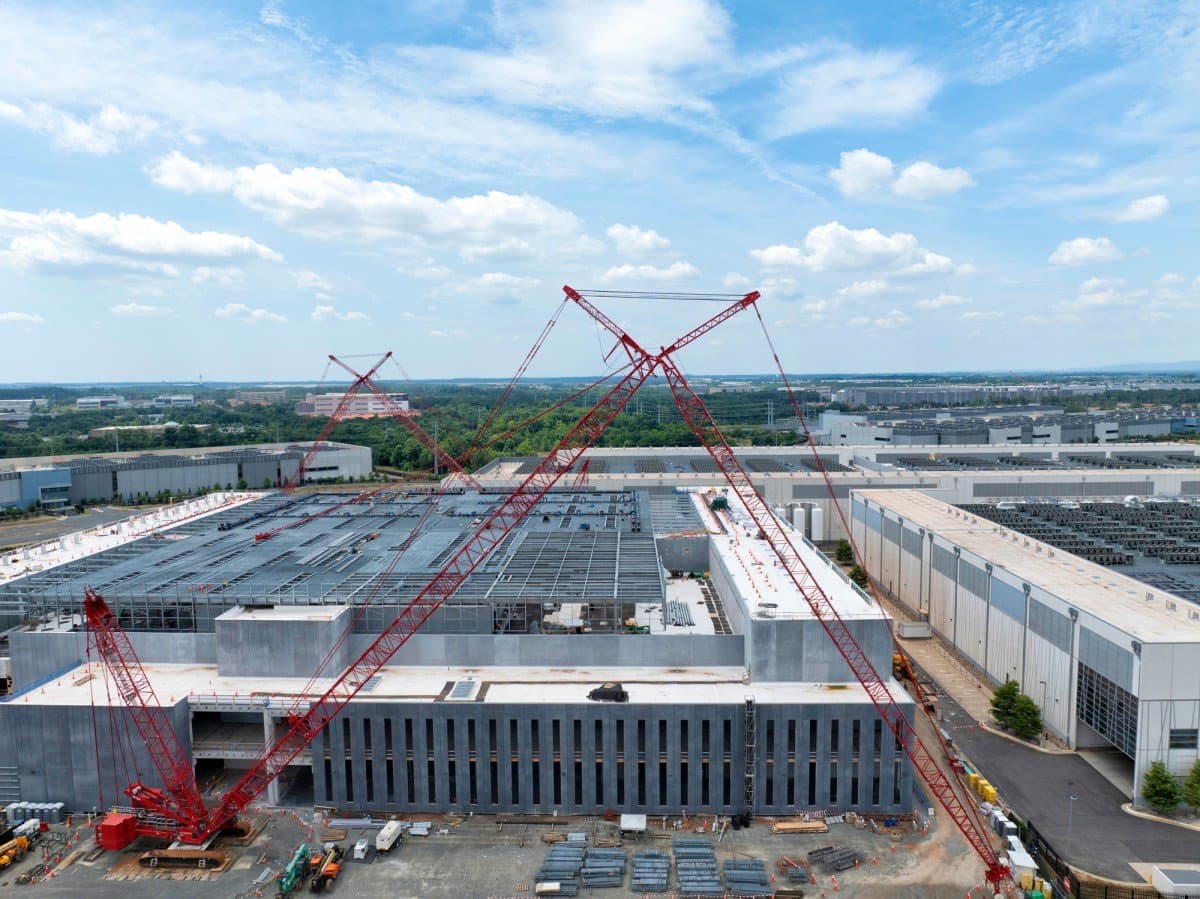
Meta's president, Dina Powell McCormick, said on Wednesday that Democratic gains in this week's US midterm elections will make it harder for technology companies to build data centres. She also said the industry had "not done as good a job as we needed to explain the benefits of these investments."
Powell McCormick was speaking at the WSJ Tech conference, according to TechCrunch. It is one of the clearest statements yet from a big AI spender that the vote could slow construction of the campuses those companies say they need. Opposition to data centres was on the ballot in many local races and referendums this year. Chip stocks fell sharply on Thursday as investors began to price in possible construction curbs.
"I think it's going to be harder," she said of future data centre projects. "It has been hard, I should say, but I also think that it's becoming clear what models work, and the states want those models that work."
She argued that the hostility goes beyond the buildings. "The visible sort of manifestation of AI is a data center, and it's something that people can say, 'I don't want this in my community,'" she said. "I think there's an underlying bigger issue, which is how people feel about AI in general."
Meta's Terms for Communities
Powell McCormick described the terms Meta now offers local communities to get projects approved. Meta pays for its own electricity, directs any extra tax revenue from its data centres to teachers and first responders, keeps the workforce local and looks for support from both parties, she said. She expects future projects to face more review and to be judged on whether residents actually want them.
She said Meta has been building data centres for 20 years and now has them in 23 states. Five of its projects, including one in Texas, are planned at 1GW or more.
The company's AI plans depend on its consumer agent Muse, which Powell McCormick said has about 10 million users, growing to serve billions. She said the data centre spending would still pay off if that growth does not come, because there is demand for the computing power itself. "We're getting calls every day to lease that compute [we've built], and so one way or another, we're seeing a path to monetization," she said.
Other companies are offering communities similar terms. Google said on Thursday that it would pay for all the electricity used at a planned $17 billion data centre in Wyoming. OpenAI has made comparable promises on power costs at its own campuses. How much these terms help will be tested as Meta's gigawatt-scale projects go through state and local approvals after the election.
Sources
- TechCrunch · Meta warns that election backlash against data centers could make AI expansion harder
Produced with AI assistance from the sources above. How we work
By
Nakoda News Desk
Nakoda News covers AI and business. Every story links the sources it draws on; how we work is set out in our editorial standards.